Iran has made a significant diplomatic offer to end the U.S.-Iran war by reopening the Strait of Hormuz in exchange for the U.S. lifting its blockade and an end to the war. According to Associated Press, two regional officials confirmed the proposal on Monday, which would separate shipping security from the dispute over uranium enrichment. The proposal would push off negotiations on Iran's nuclear program to a later date, addressing a key sticking point in previous negotiations. This latest offer comes as Iranian Foreign Minister Seyed Abbas Araghchi arrived in St. Petersburg for talks with President Vladimir Putin, as Tehran pursued diplomacy outside the U.S. channel. The proposal represents a potential breakthrough after Trump's displeasure with the Iranian offer left the conflict deadlocked, with Iran shutting shipping flows through the Strait of Hormuz, which typically carries supply equal to about 20% of global oil and gas consumption. Latest reports show Iranian Foreign Minister Abbas Araghchi meeting with Oman's Sultan Haitham bin Tariq in Muscat on Sunday, April 26, as regional diplomatic efforts intensify.
Oil prices extended their gains on Monday as negotiations between the U.S. and Iran stalled over the weekend, with the crucial Strait of Hormuz waterway still mainly shut, keeping energy supplies from the key Middle East producing region out of reach of global buyers. According to The Economic Times, Brent crude futures for June climbed 45 cents, or 0.4%, to $108.68 a barrel as of 0051 GMT, after gaining 2.8% in the previous session to its highest close since April 7. The contract is up for a seventh consecutive day. U.S. West Texas Intermediate (WTI) crude for June rose 58 cents, or 0.6%, to $96.96, after gaining 2.1% in the previous session. Latest reports from Oilprice.com show Brent rising to $107.8 per barrel at 6:30 a.m. ET, and U.S. WTI reaching $96.40, with Murban crude trading at $104.8 and the OPEC basket rising to $108.3. The oil rally hit risk assets before the U.S. open, with markets repricing the possibility that sustained crude near $100 or higher could harden the Federal Reserve's stance just as investors head into a packed week of major technology earnings.

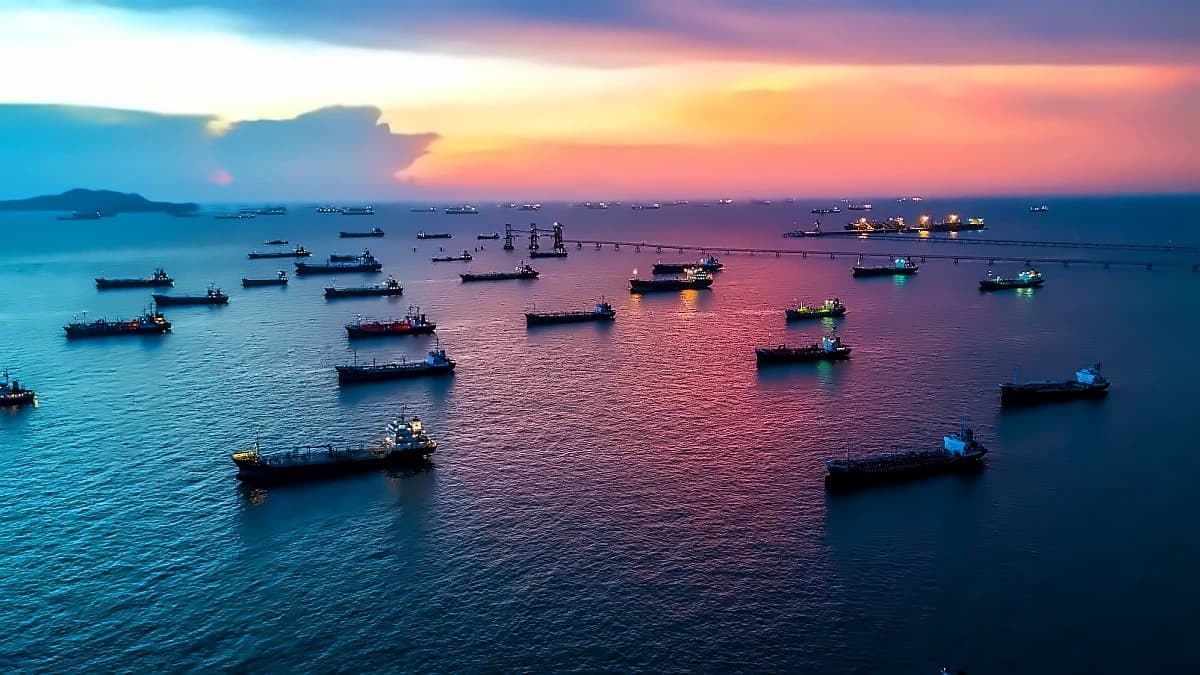
The Strait of Hormuz closure has put pressure on Trump as oil and gasoline prices have skyrocketed ahead of crucial midterm elections, with the closure also pressuring his Gulf allies who use the waterway to export their oil and gas. According to Associated Press, the closure has had far-reaching effects throughout the world economy, raising the price of fertilizer, food and other basic goods. Ship-tracking data revealed significant disruptions, with six Iranian oil tankers forced to turn back due to the U.S. blockade. However, a liquefied natural gas tanker managed by the United Arab Emirates' Abu Dhabi National Oil Co did cross the Strait of Hormuz and appears to be near India, ship-tracking data showed on Monday. Prior to the U.S.-Israeli war on Iran, which began on February 28, between 125 and 140 vessels transited the strait daily. The disruptions have created a broader supply threat, with higher gasoline and heating oil prices feeding concern that the conflict is moving into transport, manufacturing and consumer costs.
The ongoing war has resulted in significant casualties across multiple regions, with at least 3,375 people killed in Iran and at least 2,509 people in Lebanon where fighting between Israel and the Iran-backed Hezbollah militant group resumed two days after the Iran war started. Another 23 people have been killed in Israel and more than a dozen in Gulf Arab states. Fifteen Israeli soldiers in Lebanon, 13 U.S. service members in the region and six U.N. peacekeepers in southern Lebanon have been killed. The ceasefire between Israel and Hezbollah has been extended by three weeks, though Hezbollah has not participated in the Washington-brokered diplomacy. Trump last week indefinitely extended the ceasefire the U.S. and Iran agreed to on April 7 that has largely halted fighting, but a permanent settlement remains elusive in the war that has killed thousands of people.
The ongoing war with Iran is now nearing the two month mark with no end in sight, creating severe economic disruption across multiple sectors. Since the war began February 28th, U.S. gas prices have shot up more than 30% as of Saturday, with the national average for a gallon of regular gas reaching $4.09 according to AAA, far from the $2.98 drivers were paying before the war broke out. Jet fuel is particularly under pressure right now because of the Strait of Hormuz being closed, with domestic airfare costs up 18% for summer travelers and international flights up almost 8% compared to last year, according to Goeing.com. Several international airlines announced they're cutting summer flights to save on costs, leaving travelers with fewer flight options. Oil prices have risen steadily since the war began and tankers full of crude became stranded in the Persian Gulf, unable to safely transit through the strait and reach global distribution points. The June contract for Brent crude was trading at around $107 per barrel Monday, compared with $72 a barrel before the war began, reflecting the dramatic impact of the supply disruptions on global energy markets.