Global oil markets are experiencing significant volatility as geopolitical tensions in West Asia continue to disrupt critical energy routes. According to reports from ABP Live Business, Brent crude futures climbed to $103.35 per barrel, marking a 4% increase from the previous close. West Texas Intermediate (WTI) crude gained 1.62% to trade at $94.47 per barrel, as reported by IANS. The uptick reflects heightened uncertainty in global markets as investors closely track developments in the West Asia conflict, particularly regarding maritime routes critical for global energy supplies. However, the latest developments show Brent crude oil nosed over $100 per barrel, marking a 35% increase from prewar levels, as reported by Associated Press.
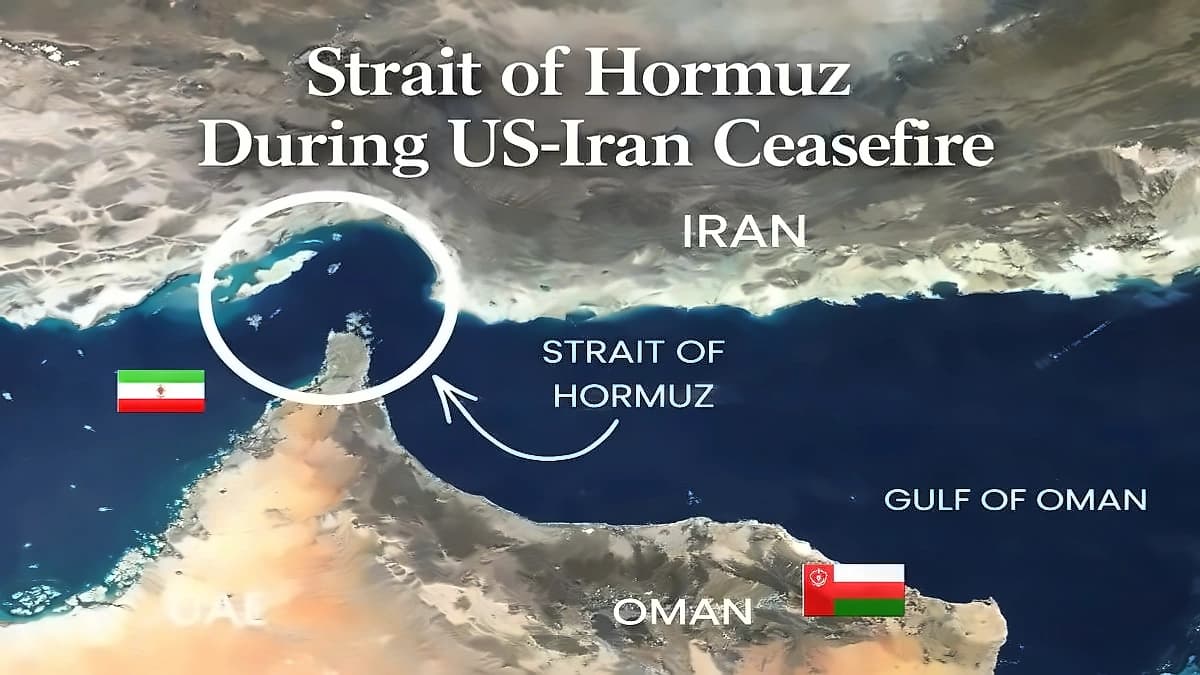
The Strait of Hormuz crisis has intensified significantly with Iran firing on three ships and seizing two of them on Wednesday. According to Associated Press, Iranian media said the paramilitary Revolutionary Guard was bringing the two ships to Iran, marking a further escalation in the standoff. The attacks came a day after U.S. President Donald Trump extended a ceasefire while maintaining an American blockade of Iranian ports. The standoff between the U.S. and Iran has effectively choked off nearly all exports through the strait — where 20% of the world's traded oil passes in peacetime — with no end in sight. The U.S. had earlier seized two Iranian vessels as the ceasefire talks were due to take place in Pakistan, as reported by Associated Press.
Efforts to restart peace talks appear to have hit a roadblock, with reports indicating that Tehran's negotiators may skip the next round of discussions, calling the process a 'waste of time'. According to ABP Live Business, US Vice President JD Vance paused his trip to join the proposed negotiations, adding to the uncertainty surrounding diplomatic progress. Iranian Foreign Ministry spokesperson Esmail Baghaei told state TV that Iran has not decided whether to take part in a new round of negotiations, and accused the U.S. of a 'disregard and lack of good faith' in the negotiations. Mojtaba Ferdousi Pour, the head of the Iranian mission in Egypt, earlier told The Associated Press no delegation would go to Pakistan until the U.S. lifts its blockade.
The escalating crisis is having severe economic consequences across the globe. The European Union energy commissioner warned of lasting impact for consumers and businesses, likening it to other major energy crises over the last half-century. According to Associated Press, the disruption is costing Europe around 500 million euros ($600 million) each day. Mohammad Bagher Qalibaf, Iran's parliament speaker, said a complete ceasefire 'only makes sense' if it is not violated by the U.S. blockade of Iranian ports, as reported by Associated Press. The conflict has already sent gas prices skyrocketing far beyond the region and raised the cost of food and a wide array of other products, creating significant economic pressure worldwide.
Despite the tensions, some maritime activity persists in the region with increased risks. According to ABP Live Business, the Indian-flagged crude oil tanker 'Desh Garima', carrying 31 Indian seafarers, successfully crossed the Strait of Hormuz and arrived in Mumbai on Wednesday. However, Vortexa, an analytics firm focusing on global energy and freight markets, said it has recorded 34 movements of sanctioned and Iranian-linked tankers in and out of the Persian Gulf in the week after the U.S. imposed its blockade on April 13. The firm identified 19 outbound and 15 inbound movements, with six of the outbound movements being 'confirmed laden with Iranian crude, representing about 10.7 million barrels'. This demonstrates that while the corridor remains disrupted, some shipping continues through the critical energy route, though with increased risks and uncertainty for vessels and crews operating in the area.