Oil prices experienced continued volatility with Brent crude trading at $109.82, down 0.6% after earlier reaching $114.70 per barrel before retreating toward $107. According to latest reports, this represents ongoing market uncertainty as traders reassess supply risk premiums amid the Iran conflict. The commodity continues to trade higher despite the pullback, with Brent crude having touched $126.31 a barrel earlier before the latest retreat. The more active July contract was trading lower at around $110 a barrel, with the sharp switch in oil price partly blamed on the deadline for June futures contracts expiring on Thursday.
The latest surge came after reports that US Central Command has prepared a plan for a wave of 'short and powerful' strikes on Iran' to try to break the deadlock in negotiations with Tehran, as reported by Axios. The proposed wave of strikes would likely include infrastructure targets, with another plan focused on taking over part of the Strait of Hormuz so it can be reopened for commercial shipping. According to The BBC, this could involve troops on the ground, representing a significant escalation from previous diplomatic efforts. US Central Command has prepared a plan for a wave of 'short and powerful' strikes on Iran' to try to break the deadlock in negotiations with Tehran, with the US saying it would blockade Iranian ports for as long as Tehran continues to threaten vessels that try to use the Strait of Hormuz.
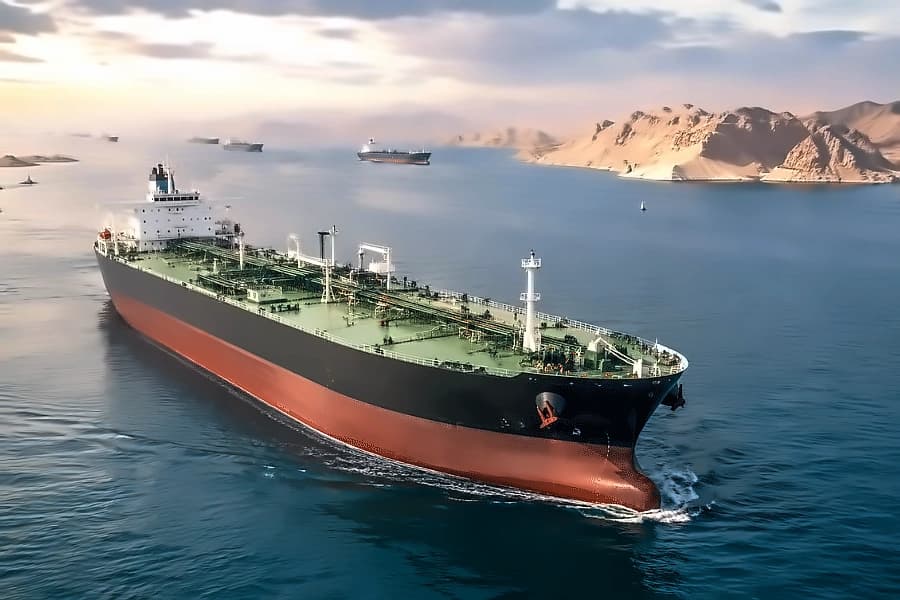
The Strait of Hormuz remains the central risk vector for oil markets, with roughly a fifth of global oil and liquefied natural gas (LNG) usually passing through the chokepoint. According to The BBC, about 20% of the world's oil and liquefied natural gas (LNG) usually passes through the strait, and the conflict has sent global energy prices soaring. Iran retaliated against US-Israeli airstrikes by threatening to attack ships in the waterway, through which about a fifth of the world's energy usually passes. Iran's Supreme Leader Mojtaba Khamanei said that Tehran would secure the Strait of Hormuz and eliminate 'the enemy's abuses of the waterway', with his statement on Thursday saying a 'new chapter' for the region had been taking shape since the start of the US-Israeli war with Iran on 28 February.
The Trump administration is taking active steps to address the oil supply crisis, with White House economic adviser Kevin Hassett announcing that the administration is in constant communication with oil companies and considering measures to increase US production 'really soon' to ease the impact of the Iran war on energy supplies. As reported by The Wall Street Journal, Hassett told reporters at the White House that the administration is considering measures that we could take here in the U.S. to increase U.S. production really soon. This development comes as the US government has warned people could face higher energy, food and flight ticket prices as a result of the war, with some airlines already starting to raise fares or reduce flights.

Despite oil price volatility, US stock markets ended higher with the S&P 500 gaining 1.04% to 7,210.24 points and the Nasdaq rising 0.90% to 24,890.36, as reported by The Wall Street Journal. The Dow Jones Industrial Average rose 1.63% to 49,658.08, with the rally driven by solid corporate earnings that offset the war-related oil supply shock. The jump in costs since the start of the Iran war has pushed up pump prices for motorists, with crude oil being a key ingredient in petrol and diesel. Petrol currently costs an average of 157p a litre in the UK, according to motoring group RAC, which is 24p higher than before the start of the war, with diesel at 188.5p a litre, up 46p compared with its pre-war price. The UK government has warned people could face higher energy, food and flight ticket prices as a result of the war, with some airlines already starting to raise fares or reduce flights.