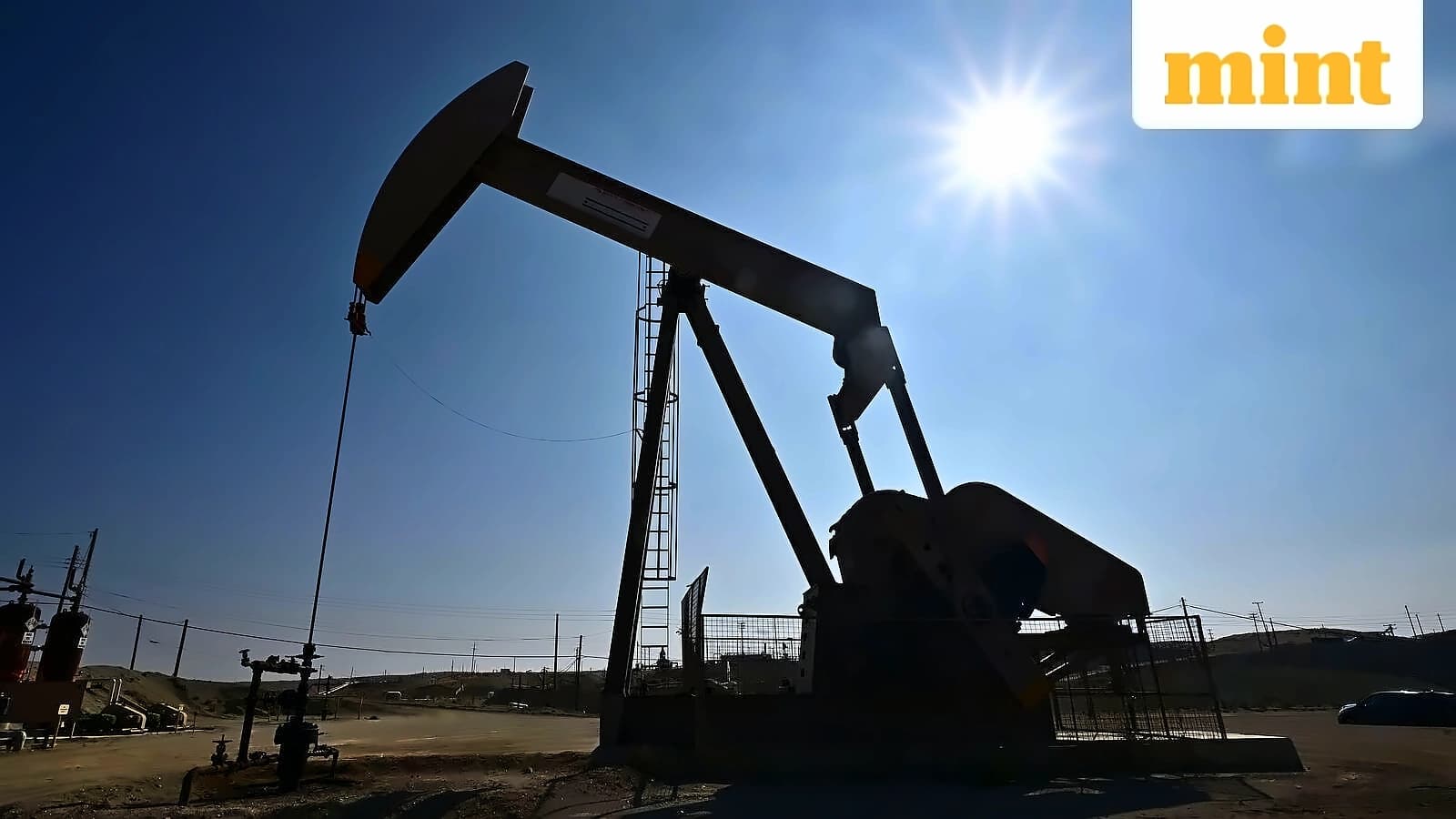
Oil prices declined on June 30 as easing geopolitical tensions in the Middle East and a stronger U.S. dollar dampened investor sentiment. Brent crude (August) fell 1.03% to $72.40 per barrel, while the more actively traded Brent September contract slipped 0.54% to $73.51 per barrel, according to Moneycontrol. US West Texas Intermediate (WTI) also declined 0.66% to $70.32 per barrel. The latest decline comes as markets continue to monitor the outcome of potential U.S.-Iran talks in Doha, while weekend missile exchanges between the two sides tested an interim ceasefire aimed at ending the four-month-long conflict. Oil tankers continued exiting the Strait of Hormuz, easing supply concerns that had driven prices higher following previous incidents. Since the market closed last Thursday, the Brent benchmark fell 10.86% while WTI dropped 9.62% for the week, marking a significant reversal from earlier gains.
Crude shipments through the Strait of Hormuz climbed this week to their highest level since the conflict began in February, with the latest data showing Morgan Stanley counted 35 oil and gas tankers exiting the Persian Gulf through the strait on Thursday — the first time the level returned to the 30 to 40 range typical before the conflict started in February. However, overall vessel movement remains below the pre-conflict average of about 125 ships a day. This recovery in shipping activity has significantly eased supply concerns that had previously driven oil prices higher. The resumption of normal traffic through this critical maritime chokepoint, which handles nearly 20% of global oil flows, marks a key development in reducing geopolitical risk premiums in oil markets. As reported by The Economic Times, there is a general selloff as the market reacts to the increased flows exiting the Strait of Hormuz and China not yet picking up crude demand.
Oil giant Saudi Aramco resumed oil loading on Friday at its Ras Tanura terminal in the Gulf after a nearly four-month halt, according to shipping data from LSEG. The resumption involved two very large crude carriers (VLCCs), which can load cargoes of 2 million barrels, taking on crude at the terminal while another waited nearby. This development significantly boosts supply capacity and contributes to the current oversupply concerns in global markets. The resumption of normal operations at one of the world's largest oil terminals has added to the supply pressure that is weighing on crude prices.
The U.S. dollar remained on track for a monthly gain, making dollar-denominated commodities, including gold, more expensive for holders of other currencies. This dollar strength has contributed to the broader commodity market decline, with gold dropping more than 1%, extending its losing streak to a fourth consecutive month. Spot gold fell 1.5% to $3,957.74 per ounce, while U.S. gold futures (August) lost 1.7% to $3,971.60 per ounce, as reported by Moneycontrol. The decline came as fading geopolitical uncertainty reduced safe-haven demand, while expectations of higher U.S. interest rates to curb inflation further pressured prices. Other precious metals outperformed gold, with silver rising 0.4% to $58.51 per ounce, while platinum and palladium also traded in positive territory.

The paint sector benefits from falling oil prices as companies like Asian Paints, Berger Paints and Kansai Nerolac use crude-linked derivatives as major raw materials. As reported by ET Now, around 40% of their input costs are tied to oil and its by-products, so any decline in crude prices helps ease cost pressures and supports margins. Similarly, tire makers such as JK Tyre and Apollo Tyre benefit as a significant portion of their raw materials including synthetic rubber, carbon black and other chemicals is derived from crude oil, making up roughly 40% of their cost structure. The aviation sector gains from lower oil prices as fuel remains its largest expense, with airlines like InterGlobe Aviation and SpiceJet seeing relief as aviation turbine fuel (ATF) accounts for around 40% of total costs.