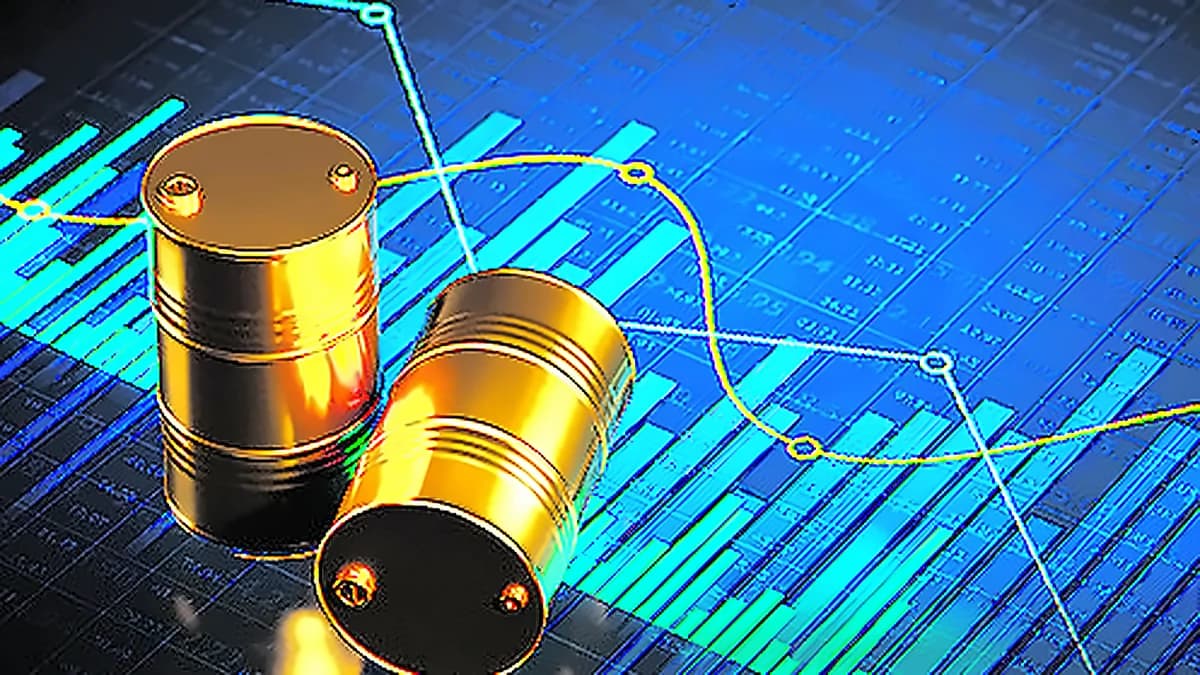
Crude oil prices have surged past $110 per barrel following the US and Israel's attacks on Iran's oil and gas infrastructure on 28 February. As reported by Mint, what began as a supply disruption due to effective closure of the Strait of Hormuz by Iran is now fast becoming a case of supply destruction. Israel has struck Iran's South Pars gas facility, while Iran has retaliated by attacking regional energy assets of neighbours, including bombing of Qatar's Ras Laffan gas facility. These developments have intensified supply concerns, pushing crude prices to around $110 per barrel levels. Despite the significant price increases, retail petrol and diesel prices in India have remained unchanged, forcing oil marketing companies to absorb the impact.
State-owned oil marketing companies are considering paying refineries a price lower than the imported rates of petrol and diesel to limit mounting losses from a retail fuel price freeze, according to reports from The Hindu BusinessLine. The proposed move would prevent refiners from fully passing on higher crude costs through RTP, forcing them to absorb part of the impact if global oil prices remain elevated. International oil prices have risen from about $70 per barrel before the West Asia conflict to over $110, but retail petrol and diesel prices in India have remained unchanged, forcing oil marketing companies to absorb the impact. This development comes as the Nigeria Auto Journalists Association (NAJA) has called on President Bola Ahmed Tinubu to prioritise direct crude oil supply to domestic refineries, particularly the Dangote Refinery, as part of urgent measures to mitigate rising fuel prices linked to the ongoing Middle East crisis.
While integrated state-run firms such as Indian Oil Corporation Ltd (IOC), Bharat Petroleum Corporation Ltd (BPCL) and Hindustan Petroleum Corporation Ltd (HPCL) can offset part of the hit between refining and marketing operations, standalone refiners that rely on market-linked RTP for revenue could face a sharper margin squeeze, as reported by The Hindu BusinessLine. Mangalore Refinery and Petrochemicals Ltd (MRPL), Chennai Petroleum Corporation Ltd (CPCL) and HPCL-Mittal Energy Ltd (HMEL) - which have negligible retail presence and sell most of the petrol and diesel produced to the three OMCs - would be the most hit by the move. The changes would also impact refiners like Nayara Energy and Reliance Industries Ltd if the freeze or discount on RTP is also implemented for private refiners. In Nigeria, the Dangote Refinery imports most of its crude oil, making it vulnerable to the ongoing Middle East crisis, as noted by NAJA Chairman Theodore Opara.
According to a study by Elara Securities, every $10 per barrel increase in crude oil prices will shave off ₹6.3 per litre of petrol and diesel margin for oil marketing companies. For LPG, it is ₹10.2 per kg. With crude oil prices rising by over $45, OMCs are taking a significant hit. Even for LPG, the announced price hike covers only about 50% of the cost increase. As reported by Mint, crude at $100 will cause OMCs' earnings to erode by 90% to 190% if there is no retail price hike. The government has retained the PM Ujjwala Yojana subsidy at ₹300 per domestic cylinder for up to 12 refills per year, but has refrained from increasing petrol and diesel prices, with elections announced in four states and a union territory making any increase a political decision.
While several global economies, from the US to China, have already passed on higher costs to consumers, India has kept prices stable. The US has seen an average increase in petrol prices of 20%, while China announced a fuel price hike on 10 March, with petrol-diesel prices rising by about 3.7%. Fuel prices in the UK are at an 18-month high, and financially broke Pakistan has raised petrol and diesel prices by up to 20%. Sri Lanka, recovering from an economic crisis, has also put through a 8% increase. However, the government has raised LPG prices on 7 March with a ₹60 increase for 14.2 kg cylinders and ₹115 increase for 19 kg cylinders, while retaining the subsidy at ₹300 per domestic cylinder. Experts say retail petrol and diesel prices can be fully protected through excise duty cuts up to $110 per barrel, but the government has not announced any plans to cut excise duty, with OMCs currently footing the bill.