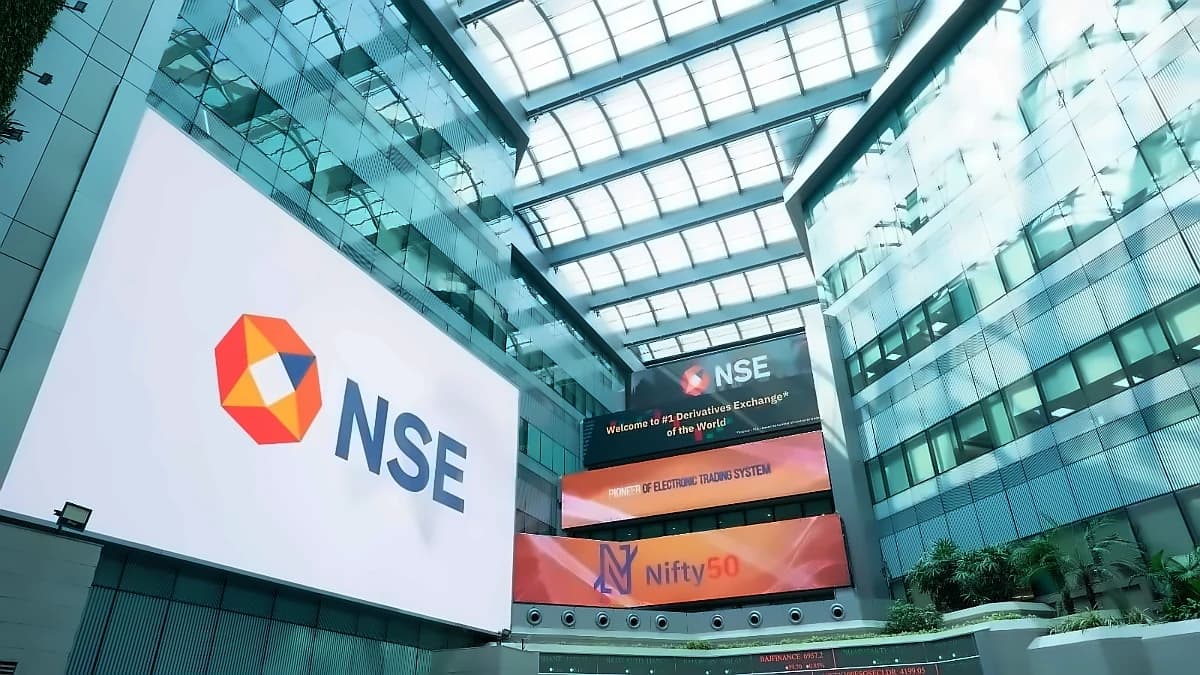
The National Stock Exchange signed a memorandum of understanding with the Steel Users Federation of India on Wednesday to jointly develop the steel and commodity derivatives ecosystem. According to reports from NDTV, this partnership aims to create a transparent and efficient price-risk management framework for Indian steel industry participants, enabling them to hedge price volatility through exchange-traded derivatives. As reported by The Financial Express, this price-risk management framework will enable Indian steel players to hedge price volatility through exchange-traded derivatives and will also provide better price discovery.
The initiative will benefit a wide range of stakeholders including steel manufacturers, processors, MSMEs, OEMs, infrastructure companies, and end-users. The agreement establishes collaboration on product design, market outreach, industry consultations, capacity building and awareness initiatives to facilitate successful development of steel and commodity derivatives products in India. According to The Financial Express, the framework will be suitable for industry players, including steel manufacturers, processors, infrastructure companies, original equipment manufacturers, and micro, small, and medium enterprises. India's position as among the world's largest producers and consumers of steel, with wide usage across automobiles, engineering, infrastructure, capital goods and consumer durables sectors, provides a strong foundation for this development.
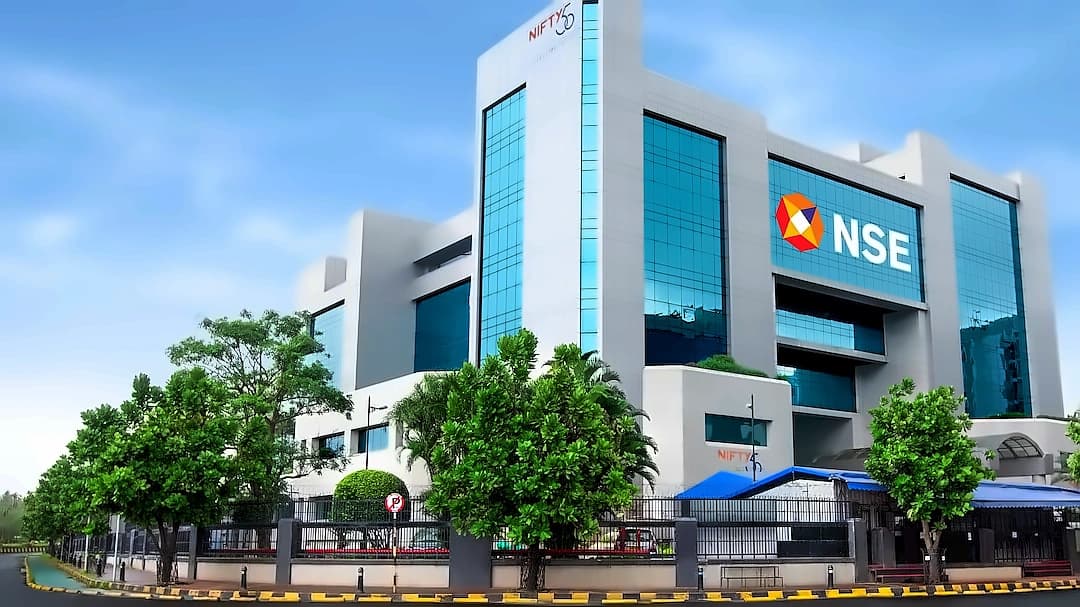
According to the NSE statement, the proposed contract is expected to provide an effective hedging mechanism and support improved price discovery for domestic steel value chain participants. As reported by NDTV, the collaboration represents an important step towards building credible and liquid derivatives contracts that address hedging requirements of Indian steel market participants. The MoU reflects the shared commitment of NSE and SUFI towards fostering a modern and globally competitive commodity derivatives market in India. The partnership comes at a time when India is looking for better tools to manage steel price volatility, as derivatives contracts for steel are relatively underdeveloped in India despite the country being one of the biggest producers in the world.