The National Stock Exchange (NSE) successfully commenced live trading in Electronic Gold Receipts (EGRs) on May 18, 2026, marking a significant milestone in India's gold trading ecosystem. According to the latest NSE press release, the launch followed the error-free mock trading exercise on May 16, which was completed without any errors or system exceptions. The exchange has received an overwhelming response to the EGR product from market participants and the broader ecosystem, demonstrating strong market interest in this new trading mechanism. As per NSE's official announcement, the exchange has also provided EGR trading symbols for both NSE and BSE terminals, ensuring seamless access for market participants. The exchange has also announced the successful commencement of live trading in the Electronic Gold Receipts (EGR) segment, effective 18 May 2026, combining the enduring trust of gold with the efficiency of exchange-traded markets.
EGRs are available in two purity levels: 99.9% (999) and 99.5% (995) purity gold, with the gold being fungible across these different purity levels, enabling investors to easily exchange without worrying about quality differences. The receipts are designed as digital representations of physical gold ownership, with each receipt corresponding to a fixed quantity of gold stored in SEBI-regulated vaults within a framework involving exchanges, clearing corporations, depositories and licensed vault managers. The receipts will be available in different denominations including 1 kilogram, 100 grams, 10 grams, 1 gram and 100 milligrams, potentially broadening participation across different investor categories. Like shares and other securities, ownership of the underlying gold will be reflected directly in investors' demat accounts.
As part of the rollout, valuing and collection centres have already become operational in Ahmedabad and Mumbai, with four additional centres located in Delhi, Kolkata, Chennai and Bengaluru being activated on May 18. NSE announced that the network will be expanded in a phased manner and is expected to scale up to nearly 120 centres across the country over time. The market will operate Monday to Friday between 9 am and 11:30 pm, extending to 11:55 pm during the US daylight saving period, with settlements taking place under a T+1 cycle. In this system, NSE provides the trading platform, NCL settles trades by transferring EGRs and money between buyers and sellers, depositories keep EGRs in demat form, and vault managers handle the storage, deposit, and withdrawal of physical gold.
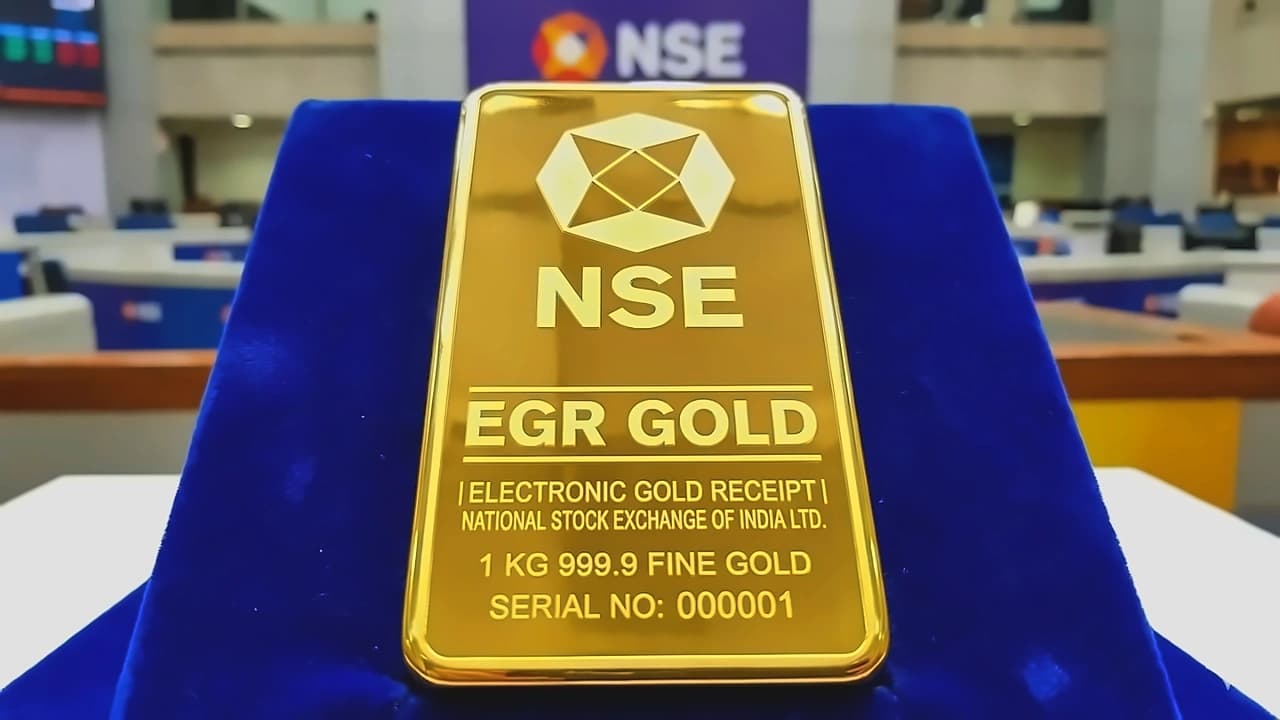
The launch enters a market where investors already have multiple options to gain gold exposure, including physical gold purchases, gold exchange traded funds (ETFs), gold mutual funds and sovereign gold bonds. According to ET, physical gold involves direct ownership through jewellery, coins or bars, while gold ETFs allow price exposure without physically holding the metal, and gold mutual funds invest in gold-linked instruments. Sovereign Gold Bonds provide gold-linked returns through government securities. EGRs differ from gold ETFs in their ownership structure and physical convertibility, as EGRs provide direct ownership of designated physical gold held in a vault, enabling investors to convert digital holdings into physical bars, while gold ETFs are mutual fund units that track gold prices but do not offer physical delivery.
According to ET, the broader objective of the EGR framework is to build a more transparent and regulated gold ecosystem while strengthening India's role in global bullion markets. The launch comes as part of broader efforts by market regulators and exchanges to formalise gold trading and create a regulated spot market structure for the precious metal in India. NSE Chief Business Development Officer Sriram Krishnan stated that the launch marks an important evolution in India's engagement with gold, with the exchange expecting the system could eventually bring investors, jewellers, traders and refiners onto a unified platform and reduce dependence on fragmented city-level pricing structures. EGRs help create a 'one nation, one price' system for gold by making prices more transparent across the country, with prices determined through exchange-based trading where buyers and sellers place bids and offers, similar to stock markets, reducing regional price differences and improving liquidity.