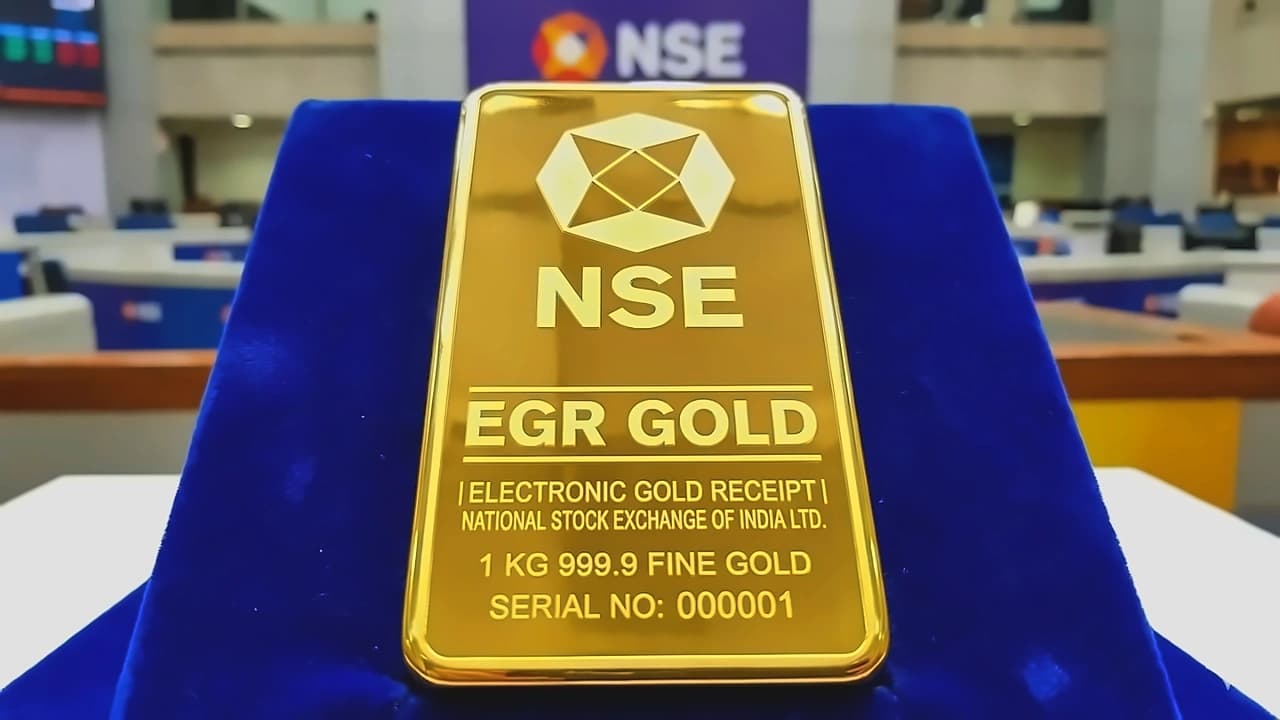
The National Stock Exchange has officially announced that Electronic Gold Receipts (EGRs) will commence trading from May 18, 2026, marking a significant transformation in India's gold investment landscape. According to the latest announcement, EGRs are dematerialised securities representing ownership of physical gold stored in SEBI-accredited vaults and held electronically through depositories. The exchange emphasized that this move is meant to bridge the gap between physical gold and financial markets, while improving price discovery, participation and trust among market participants. As reported by The Economic Times, NSE Chief Business Development Officer Sriram Krishnan described the launch as representing a major shift in how investors participate in the gold market, with the initiative anticipated to transform the way gold is invested across the country.
The NSE's technology infrastructure and liquidity framework are expected to make gold investing more transparent, secure, and easily accessible for investors across the country. According to the latest announcement, EGRs are digital assets representing gold ownership that can be traded like stocks and bonds while remaining redeemable as physical gold. The platform is designed to bring retail investors, jewellers, bullion traders and refiners into a single ecosystem, helping create more uniform and market-driven pricing instead of fragmented city-specific rates. The gold backing these receipts will be kept in vaults regulated by the Securities and Exchange Board of India (SEBI), removing the requirement for personal storage solutions and providing investors with certified, standardised gold holdings. As reported by The Economic Times, the exchange emphasized that EGRs will make gold trading more transparent, secure and accessible through improved technology and liquidity.
EGRs offer significant flexibility in investment size, with investors not needing to purchase large quantities of gold to participate. According to the latest announcement, EGRs are available in denominations including 1 kilogram, 100 grams, 10 grams, 1 gram, and even 100 milligrams, allowing participation across different investor categories. With the backing of a regulated structure and certified gold, investors may experience reduced worries related to quality that can often arise with unregulated physical gold purchases. The format enables retail investors to gradually accumulate gold investments without the need for large, upfront purchases, as EGRs can be traded on the stock exchange during market hours like regular shares through conventional trading accounts. As reported by The Economic Times, the receipts are available in multiple denominations—including 1 kilogram, 100 grams, 10 grams, 1 gram, and even 100 milligrams—allowing participation across different investor categories.

The framework addresses traditional concerns around purity that have been key issues in physical gold purchases. According to the latest announcement, EGRs are available in internationally recognised standards of 999 purity (regarded as the highest level of 24-karat gold purity) and 995 purity. Since the gold is certified and guaranteed, investors are protected from quality-related uncertainties that can arise in the physical market. The gold backing these receipts is certified, standardised, and held by licensed vault managers within a regulated ecosystem involving exchanges, clearing corporations, and depositories. With the backing of a regulated structure and certified gold, investors can avoid common concerns regarding the quality of gold that often arise in informal markets. As reported by The Economic Times, EGRs are linked to standardised gold, allow market-based price discovery and can be bought or sold in defined denominations and purity, with each receipt fully backed by physical gold.
The EGR trading segment will operate under NSE's standard market timings of Monday to Friday, 9:00 am to 11:30 pm and 11:55 pm (based on US daylight saving time period). According to the latest announcement, EGR prices move with prevailing gold prices in domestic and global markets, with purchased units credited to the demat account after settlement, which currently follows a T+1 cycle. Investors can purchase EGRs through their trading platforms in the same manner as buying shares or ETFs, with EGR units reflecting in their demat account after settlement. The platform serves multiple market participants including retail investors, jewellers, bullion traders, and refineries, with investors having the option to convert eligible EGR holdings into physical gold in the form of gold bars or coins, subject to exchange and vault manager operational frameworks. As reported by The Economic Times, NSE has introduced a framework that combines physical backing with electronic trading, demat holding and regulated vault storage, with the segment expected to support a more transparent and efficient gold market in India.