The National Stock Exchange launched Electronic Gold Receipts (EGRs) on Monday as a new trading segment, marking a significant step toward modernising and formalising India's vast, tradition-driven gold market. According to reports from The Economic Times, NSE described this as a transformative initiative designed to bring transparency, efficiency, and formalisation to India's massive, deeply tradition-rooted gold market. The launch is effective from May 4, 2026, and is expected to bridge the age-old gap between physical gold and the financial markets by offering a regulated, secure, and technologically advanced platform for trading the precious commodity.
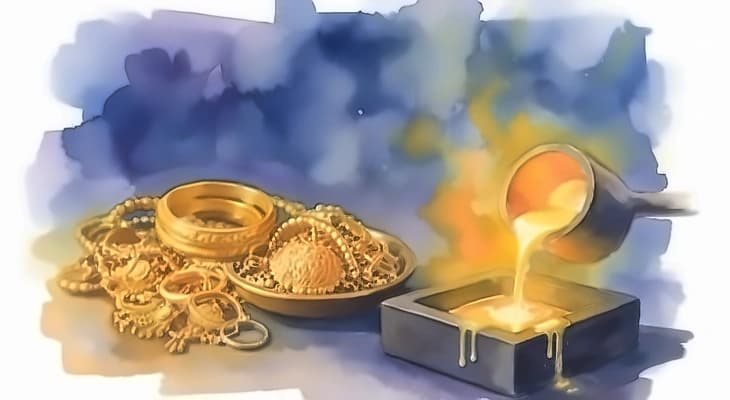
As reported by The Economic Times, EGRs are dematerialised securities that represent ownership of physical gold, which is securely stored in Securities and Exchange Board of India (Sebi) accredited vaults and held electronically through depositories. Each EGR is fully backed by physical gold and is tradable on the exchange. The exchange successfully demonstrated the operational readiness of the EGR framework by witnessing the successful dematerialization of a 1000-gram gold bar into an Electronic Gold Receipt, symbolising the seamless conversion of physical gold into a secure, tradable electronic instrument within the regulated ecosystem. According to The Hindu BusinessLine, NSE stated that EGRs will allow investors to hold gold electronically with assured quality and enable seamless conversion between physical and digital formats.
According to The Economic Times, NSE's EGR launch is expected to benefit stakeholders across the board including jewellers, refiners, traders, and institutional investors. NSE's Chief Business Development Officer Sriram Krishnan stated that the introduction of EGRs at NSE marks a pivotal evolution in how India interacts with its most cherished asset. As reported by The Hindu BusinessLine, NSE aims to create a robust and transparent ecosystem for gold trading, enabling efficient price discovery, improved market participation, and enhanced trust across stakeholders. By facilitating electronic holding, assured quality, and seamless convertibility between physical and digital formats, EGRs empower investors to participate in the gold market even in smaller denominations, providing improved liquidity and flexibility comparable to other financial instruments held in demat form.
As reported by The Economic Times, Sebi Chairman Tuhin Kanta Pandey had in December expressed the regulator's wish to review the existing framework for EGRs while acknowledging that the EGR framework has not gained the desired traction so far. Pandey stated that EGRs were meant to create a regulated market for trading gold and establish India as a global price-setter for gold. The regulator is currently analysing structural, operational, and regulatory challenges that have limited the adoption of EGRs, according to moneycontrol reports. According to The Hindu BusinessLine, the exchange stated that EGRs will allow investors to hold gold electronically with assured quality and also enable seamless conversion between physical and digital formats.