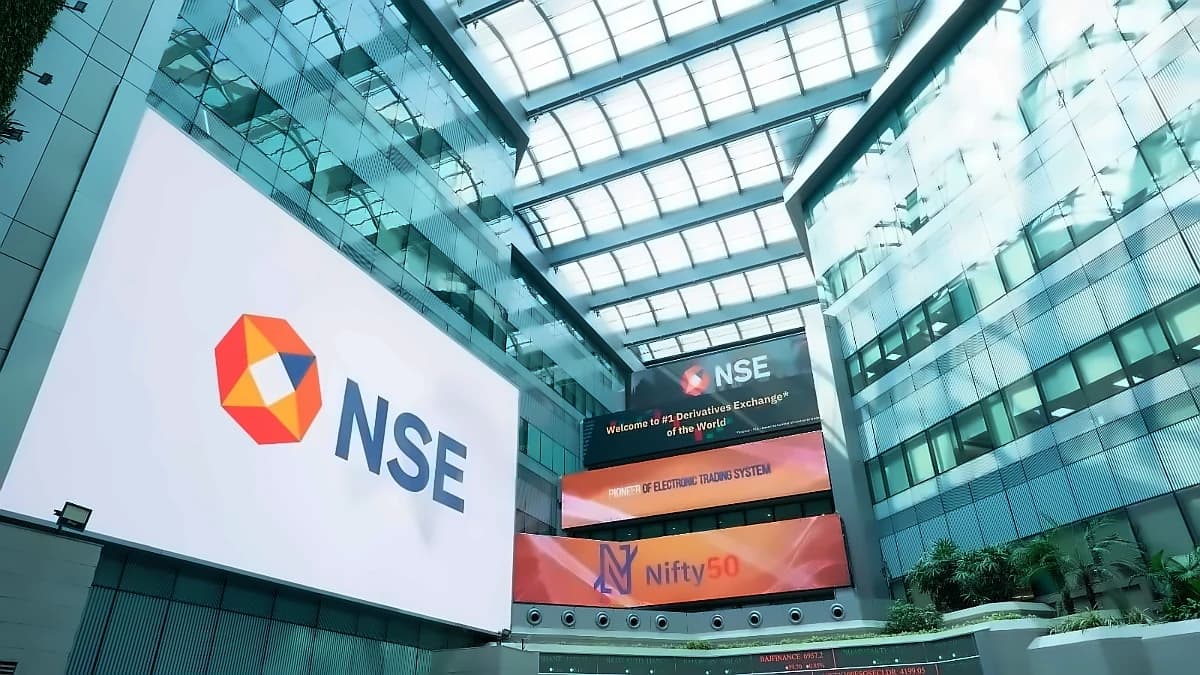
India's electronic gold receipt (EGR) market is positioned for significant expansion as refiners, bullion dealers, jewellers, asset managers, and eventually retail investors join the platform. According to Sriram Krishnan, Chief Business Development Officer (CBDO) of National Stock Exchange (NSE), the exchange is preparing to roll out new trading denominations and streamlined processes for converting physical gold into EGRs. As reported by CNBC TV18, Krishnan believes that as liquidity deepens and more stakeholders participate, EGR could gradually help India move from being a price taker to a price maker in gold markets. The journey will take time, but the groundwork is being laid through greater market participation, deeper trading volumes and future regulatory support.
The commodity segment is experiencing strong momentum with the crude oil contract achieving 53-54% market share in terms of contract numbers traded, marking a significant milestone for NSE. As reported by CNBC TV18, the natural gas contract expiry has also been well-received, while the 10-gram gold contract is gaining popularity with deliveries increasing from 100 to 300 in subsequent expiries. NSE is introducing a 10-milligram denomination as an additional trading unit, with the minimum trading unit set at 10 milligrams while maintaining 100 milligrams as the delivery unit refiners can support. In terms of premium turnover, NSE currently holds about 21-22% market share, indicating room for growth as the exchange continues to build volumes in this segment.
NSE is preparing to launch a comprehensive process for surrendering gold and converting it into EGRs, with the announcement expected within the next week. According to the report, the exchange is currently fine-tuning and testing an app that will facilitate the entire conversion mechanism. Krishnan noted that market makers will be deployed initially to provide two-way quotes during the initial months, with liquidity building up potentially reducing the need for market makers over time. The exchange is also in the process of building volumes in the EGR segment, having received feedback from various stakeholders and working to address questions around the entire conversion mechanism.
The 15% import duty on gold is strategically designed to discourage gold imports and encourage domestic gold conversion to EGRs. As reported by CNBC TV18, if NSE can bring 100-200 tonnes of gold into EGRs during the first year, this would represent a significant portion of India's annual gold imports of 600-700 tonnes. Krishnan emphasized that converting gold into EGRs offers several advantages, including potential future lending and borrowing capabilities that could create additional income streams from currently idle gold holdings. The momentum is expected to continue into the second and third years, with more domestic gold supply moving into EGRs as people realize the advantages of this system.
The EGR ecosystem is expected to evolve with participation from large refiners, bullion dealers, asset management companies, and jewellers in the early stages. According to the NSE CBDO, over time retail investors, family offices, and even temples could join the platform. Eventually, regulators may allow foreign participants to trade EGRs, even if they cannot withdraw physical gold, potentially building a deep and liquid market where millions of daily trades could strengthen India's position as a price maker rather than a price taker in global gold markets. The exchange is also discussing new products with the Steel Users Federation and will introduce appropriate products as market requirements become clearer.