The Indian government's decision to raise import duties on gold and silver to 15% triggered a sharp reaction in bullion markets, with MCX gold and silver contracts witnessing strong gains after trading resumed. According to reports from LiveMint and ET Now, the move came amid concerns over rising bullion imports, pressure on the current account deficit and weakness in the rupee. However, what stood out most to market observers was not the policy move itself, but the absence of suspicious trading activity before the announcement.
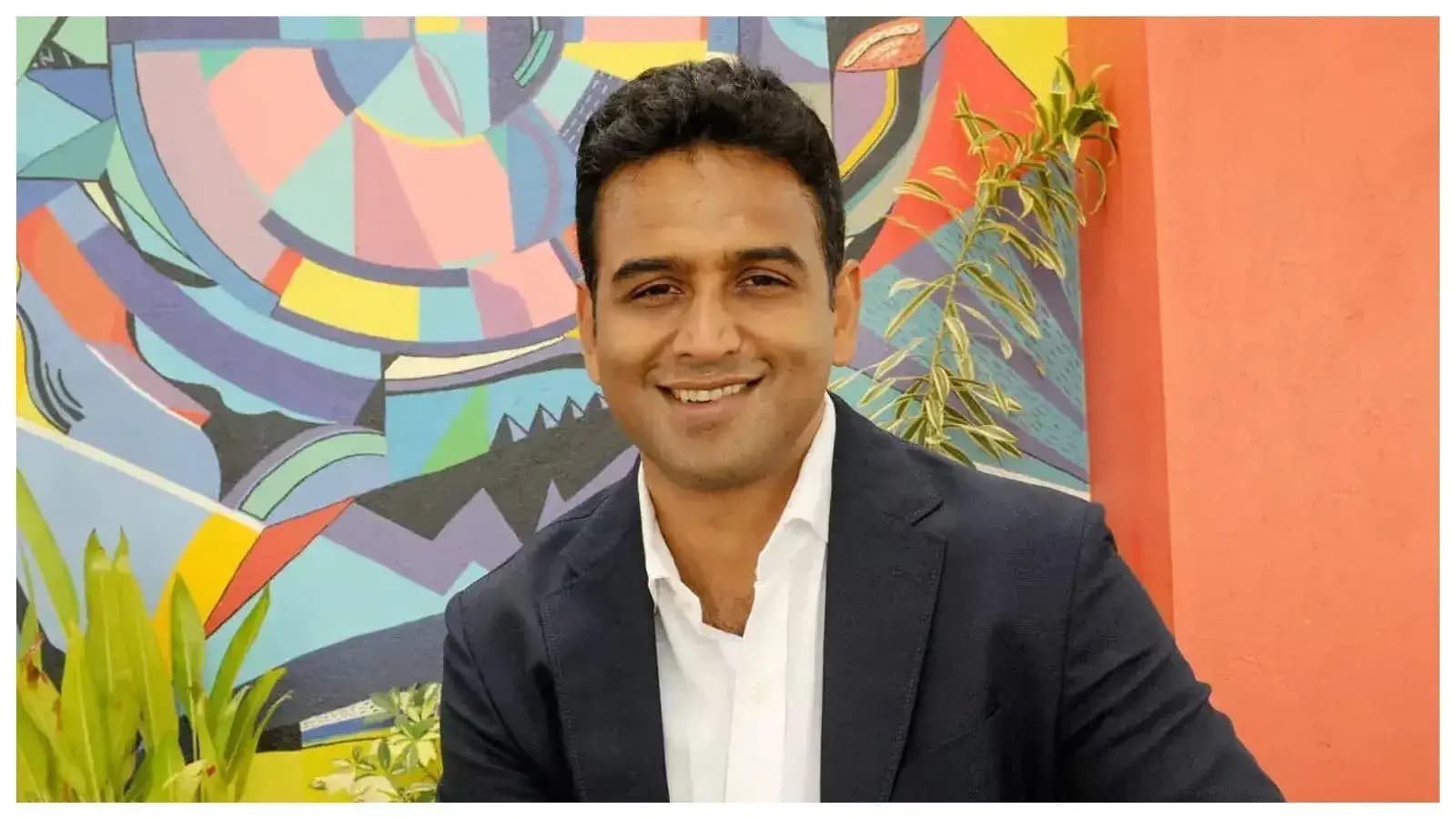
Zerodha co-founder Nithin Kamath pointed out in a detailed social media post that there were no unusual movements in open interest, prices or trading volumes in gold and silver contracts in the hours leading up to the late-night announcement. As reported by LiveMint and ET Now, Kamath wrote that the interesting thing was that neither open interest, prices, nor volume in Gold and Silver showed any unusual moves in the hours leading up to the announcement. This observation reflected positively on Indian markets at a time when concerns around insider trading and privileged access to policy decisions have become increasingly common globally.
Kamath highlighted the contrast between Indian market controls and regulatory environments in Western nations, stating that "Indian markets, despite all their flaws, are far more tightly controlled in these grey zones than many Western markets." According to ET Now, Kamath noted the lack of volatility or suspicious volume shifts before the official government notification became public. He compared how the US market reacted in contrast to Indian financial trends, stating that "If this had happened in the United States, I'm fairly sure some of the people close to the decision-making process would have found a way to trade it, either through regulated futures markets, other derivative contracts, or prediction markets like Polymarket and Kalshi."
Kamath's comments also reignited a broader debate around prediction markets and alternative trading platforms, which have rapidly gained popularity globally over the last few years. Platforms such as Polymarket and Kalshi have increasingly become avenues where users speculate on political outcomes, policy shifts and geopolitical events, often raising questions around information asymmetry and regulatory oversight. As reported by LiveMint and ET Now, Kamath suggested that the monetisation of privileged information by influential circles had become increasingly normalised in some parts of the world, with the line between legitimate market participation and insider trading becoming blurred in many global financial systems. He specifically referenced previous allegations around crude oil trading and market activity during the Iran conflict, where questions were raised about individuals allegedly trading through futures contracts and prediction markets ahead of important geopolitical announcements.