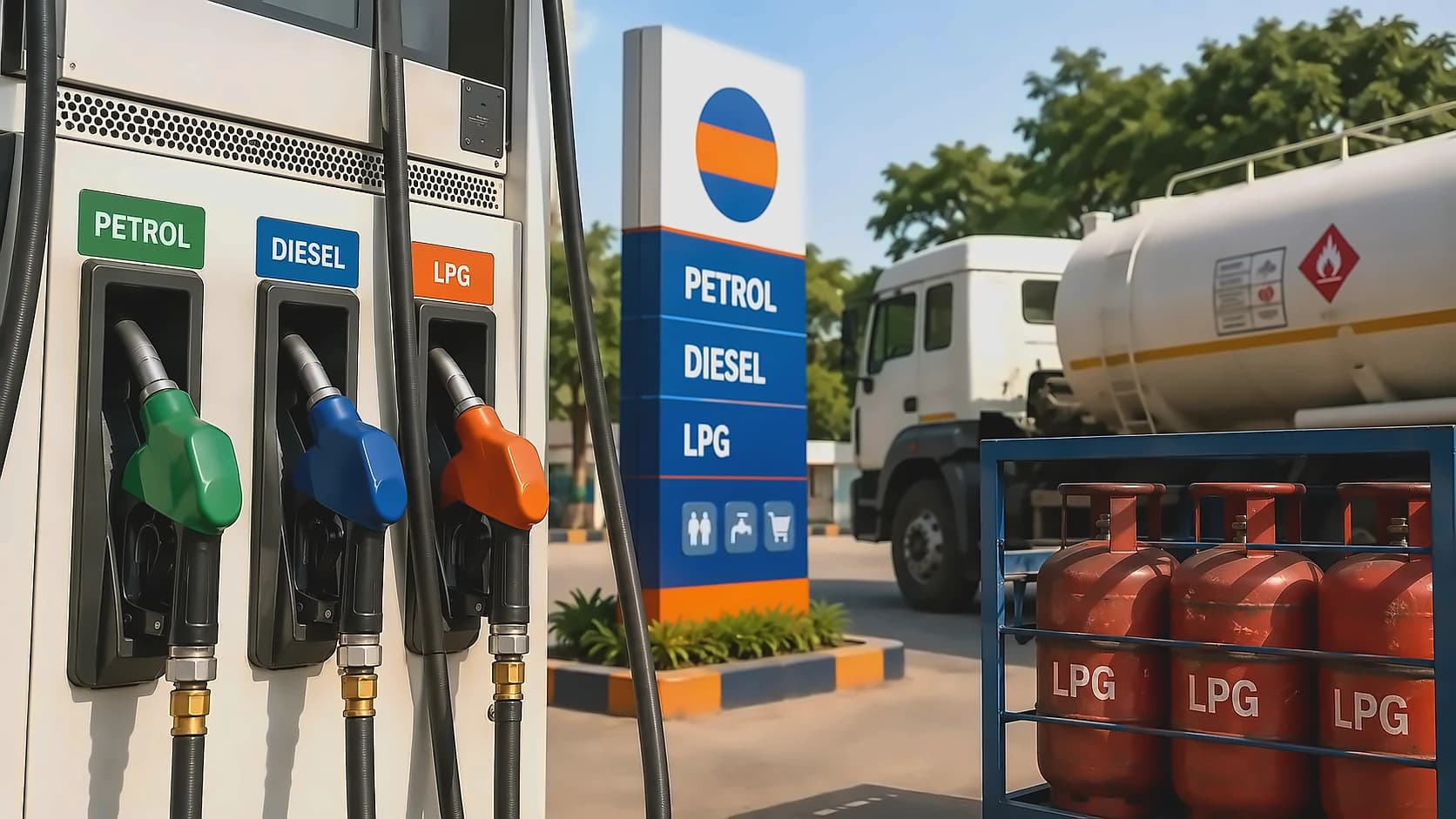
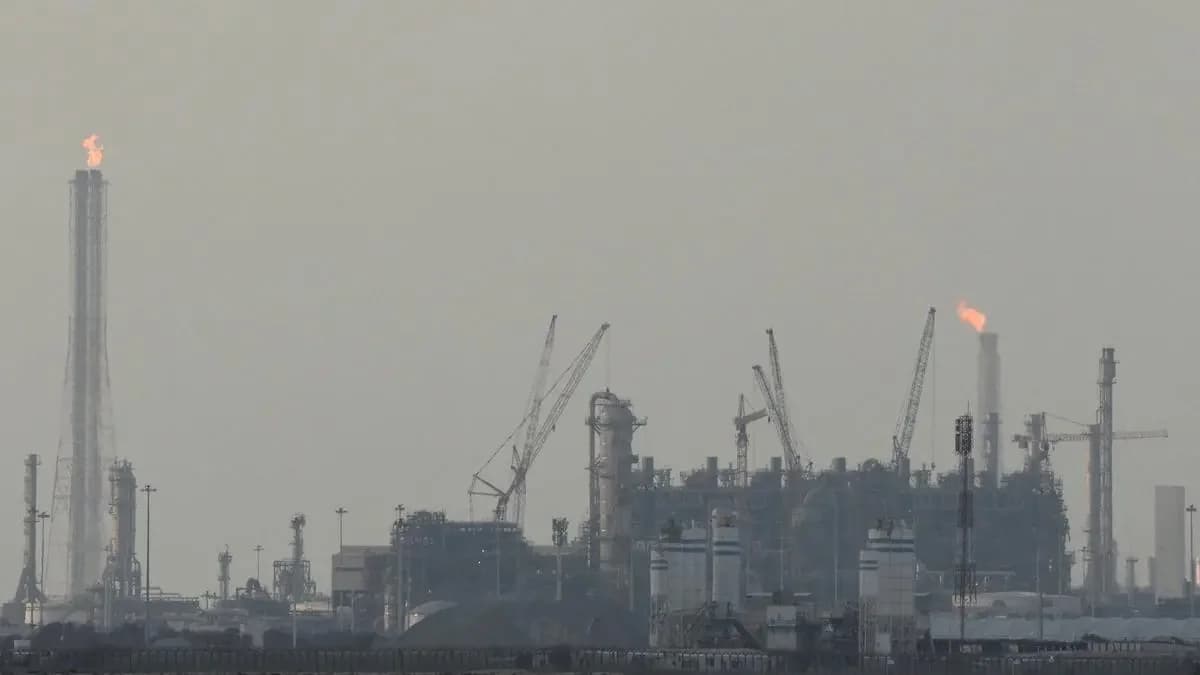
India's natural gas consumption has recovered to above pre-Iran crisis levels in June 2026, with gas demand rising 6.8% month-on-month and 1.5% year-on-year according to a research report by JM Financial. The recovery pushed overall gas consumption to 12.6 million metric standard cubic metres per day (mmscmd), moving 1.4% above the February 2026 level recorded before the disruption. The increase was entirely driven by imported gas, with LNG consumption rising 13% month-on-month to around 110 mmscmd, while domestic gas supply remained flat at 87 mmscmd and declined 8% year-on-year. This recovery has been significant, with May consumption revised significantly higher to 184 mmscmd from the earlier 169 mmscmd, and LNG imports revised to 97 mmscmd from 83 mmscmd, suggesting the recovery was already stronger than initially estimated. The improvement came after India's gas market faced pressure following disruptions to LNG supplies amid the Iran crisis, including the shutdown of Qatar's LNG facility that impacted around 40 mmscmd of supply, equivalent to nearly 9.5-10 million tonnes per annum of LNG capacity.
Demand growth in June was broad-based, led by city gas distribution (CGD), miscellaneous users and refineries. CGD consumption increased 2.3 mmscmd month-on-month to 58 mmscmd, while miscellaneous demand rose 3.9 mmscmd to 41 mmscmd. Refinery consumption increased 2.6 mmscmd to 15 mmscmd, supported by a 25% rise in imports. Fertiliser and power demand also improved, with power sector demand improving to 21 mmscmd. Petrochemical consumption recovered to 7 mmscmd but remained 48% lower year-on-year. The improvement in supplies supported demand recovery across sectors such as city gas distribution, fertilisers, power generation and industrial users, with natural gas demand continuing to be supported by sectors that use it as both a fuel and feedstock. JM Financial expects July demand to remain strong, although slightly softer than June due to lower power consumption, with demand potentially weakening in August amid lower Morbi-related consumption and seasonal softness. However, recent developments show that electric vehicles are gaining ground fast in key city gas areas and the surge is starting to eat into CNG market share, according to a report by brokerage firm Dolat Capital, which could weigh on long-term PNG demand.
India's LNG sourcing has undergone a dramatic transformation, with the United States emerging as India's largest LNG supplier during May-July 2026 as traditional supplier Qatar's volumes collapsed. According to Equirus Securities, India imported approximately 7.08 million tonnes (MT) of LNG during May-July 2026, marking a 15% increase over the corresponding period last year. The US supplied 2.19 MT, registering an impressive 253% year-on-year growth, making it India's largest LNG supplier. Nigeria followed with 1.31 MT, while Oman supplied 1.22 MT and Angola contributed 0.80 MT. In a stark contrast, Qatar's exports to India fell dramatically to just 0.23 MT, representing a 91% decline compared to the previous year. India's LNG import mix has shifted significantly, with the country importing around 7 million tonnes during May-July, up 15% year-on-year, despite a 91% collapse in Qatar volumes. The US emerged as the largest supplier, followed by Nigeria and Oman, reducing India's immediate dependence on Qatar. Alternative sourcing arrangements helped bridge the supply gap and allowed LNG availability to improve, supporting consumption across sectors dependent on natural gas.
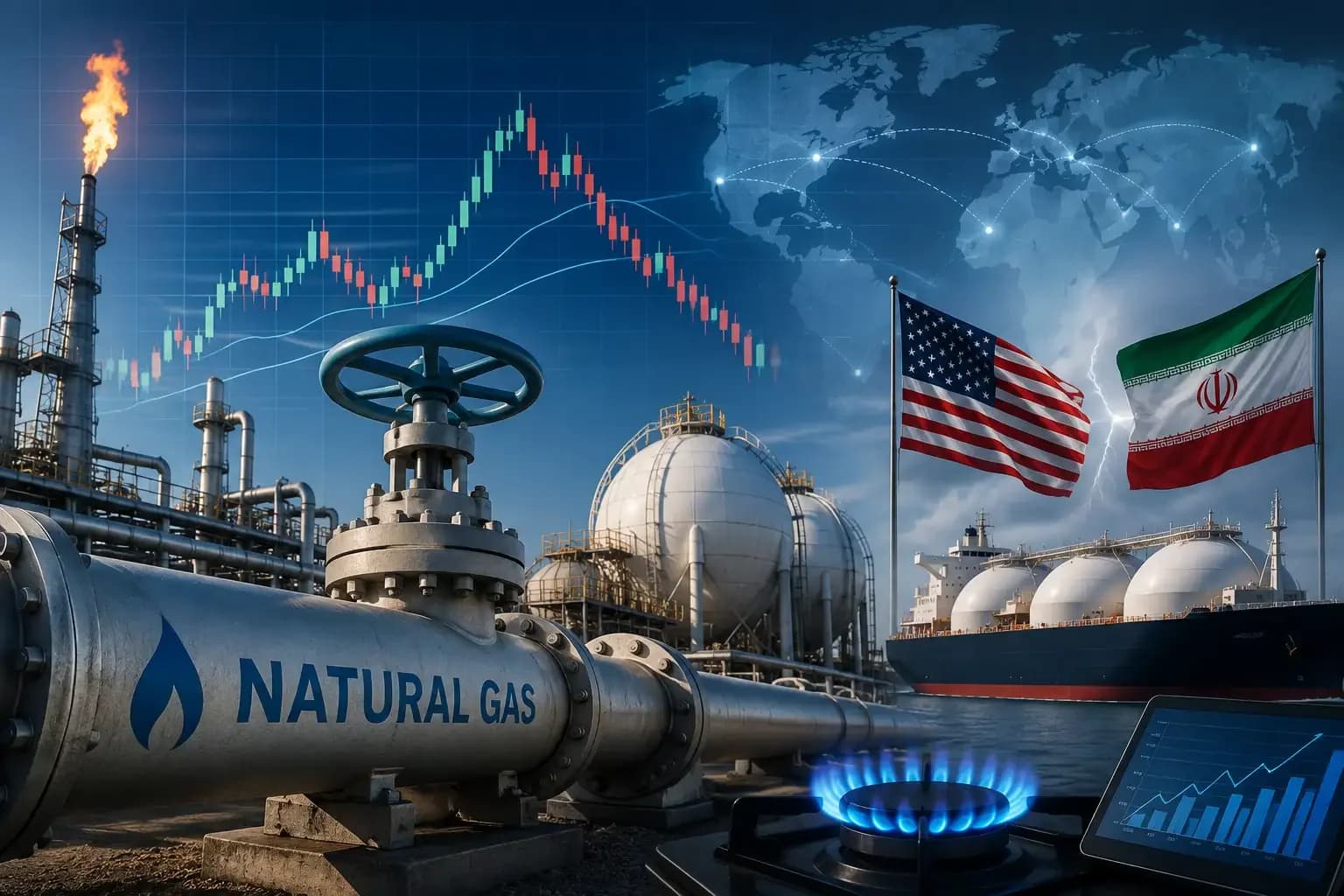
The rise in consumption also highlights the growing role of LNG imports in meeting India's energy requirements, with expansion of LNG infrastructure, pipeline connectivity and city gas distribution networks remaining central to increasing natural gas usage in the country. The recovery comes as India continues to push for greater adoption of natural gas across industries, with the government setting a target of increasing the share of natural gas in the country's energy mix to 15% by 2030 from current levels of around 6%. The government has set this ambitious target with expansion of LNG infrastructure, pipeline connectivity and city gas distribution networks expected to play a key role in achieving this goal. Natural gas demand continues to be supported by sectors that use it as both a fuel and feedstock, with fertiliser plants, refineries, petrochemical units and city gas distribution networks remaining among the largest consumers of gas in the country.
Despite India's strong demand recovery, the country faces mounting challenges from intensifying global LNG competition. Asian spot LNG prices rose above USD 19 per million British thermal units in July and are currently above USD 20, while European gas storage remains below historical averages. Equirus cautioned that stronger Chinese LNG buying is increasing competition for flexible cargoes, potentially impacting India's access to attractive LNG prices. With new LNG projects ramping up globally, additional supply could eventually improve cargo availability. However, shipping constraints, sanctions and payment risks will remain important factors in determining whether incremental supplies reach buyers such as India at attractive prices. India's import dependence has reached 56% as domestic production struggles to keep pace with growing demand. The global LNG market outlook suggests that global LNG markets are expected to be well supplied, lowering prices, which could provide some relief to Indian buyers.