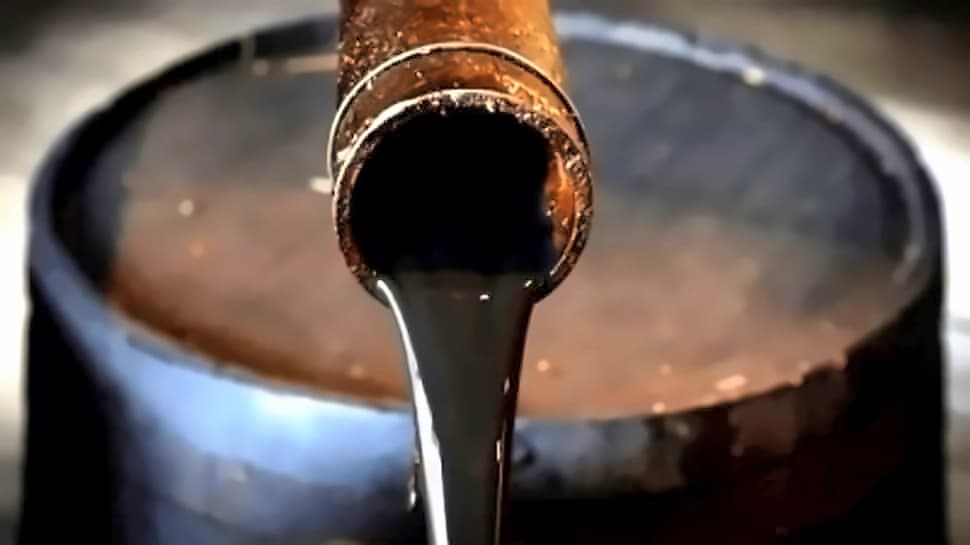
Prime Minister Narendra Modi's ongoing six-day visit to the UAE, Netherlands, Sweden, Norway and Italy comes at a critical time when India faces one of its biggest economic challenges in recent months. According to reports from LiveMint, Brent crude has remained above the $100-per-barrel mark after disruptions linked to the US-Iran conflict and uncertainty surrounding the Strait of Hormuz shook global energy markets. Since India imports nearly 90% of its crude oil requirements, rising energy prices are beginning to impact inflation, the rupee, fuel prices and broader market sentiment. The tour, which began yesterday, is being overshadowed by energy and supply-chain worries due to the Iran war, with disruptions around Gulf shipping routes and the Strait of Hormuz continuing to drive volatility in oil and gas markets. As of Friday, Brent crude was selling at $107.54 per barrel, while India's own crude basket climbed to more than $114 per barrel last month, significantly above the Reserve Bank of India's optimistic estimate of around $85.
Analysts believe Modi's diplomatic tour reflects India's attempt to secure long-term energy supplies and diversify crude sourcing amid the current oil price crisis. As reported by LiveMint, Abhinav Tiwari, Research Analyst at Bonanza, noted that the visit comes at a time when global oil markets are under severe stress, with oil prices remaining elevated since the Strait of Hormuz disruption earlier this year following the US-Iran conflict. The government has already increased petrol and diesel prices by ₹3 per litre amid mounting pressure on oil marketing companies, while the rupee continues to trade near record lows against the US dollar, making imports even more expensive. According to AFP, discussions during the UAE visit will focus on strengthening energy security, as the Gulf region remains India's primary source of oil and liquefied petroleum gas imports. Pinak R Chakravarty, former Secretary (Economic Relations) in the Ministry of External Affairs, emphasized that the PM's trip to the UAE is about securing crude and LPG supplies and using alternative routes bypassing the Gulf of Hormuz to get them.
Among all countries on Modi's itinerary, analysts believe the UAE remains the most strategically important from an energy security perspective. According to LiveMint reports, the UAE possesses oil export infrastructure that bypasses the Strait of Hormuz, allowing crude shipments to continue even during periods of geopolitical disruption. India is expected to focus on securing additional long-term oil supplies, favourable trade terms and alternative payment arrangements during the visit, with the UAE visit being described as the most important from an energy perspective. The UAE leg of the tour emerged as the most consequential, with India and the UAE signing pacts ensuring strategic cooperation, petroleum reserves, and the supply of liquefied petroleum gas. Discussions are also expected to examine alternative logistical routes through Fujairah, outside the Strait of Hormuz chokepoint, reducing vulnerability should maritime tensions intensify. The UAE leg begins in a country home to a 4.5 million-strong Indian community, highlighting the strategic importance of this relationship for both energy security and diaspora engagement.
The European leg of the tour involves Netherlands, Sweden and Italy, with Modi's visit to the Netherlands focusing on increasing bilateral trade that reached €23.7 billion last year. According to AFP, discussions will cover defence, semiconductors, water, agriculture and health sectors. Modi heads to Sweden tomorrow to address a European business leaders forum, before heading to Norway for an India-Nordic Summit. This marks Modi's first visit to Norway in 43 years, with the trip reflecting India's growing engagement with Northern Europe. As reported by AFP, the visit will deepen India's partnership with Europe, particularly trade and investment ties in light of the recently concluded India-EU FTA, which Modi has dubbed the "mother of all deals." In the Netherlands, discussions are expected to revolve around semiconductors, green hydrogen, and technological innovation, while in Norway and Sweden, renewable energy, Arctic cooperation, and sustainability dominate the agenda. Italy brings conversations on industrial supply chains and clean-energy partnerships.
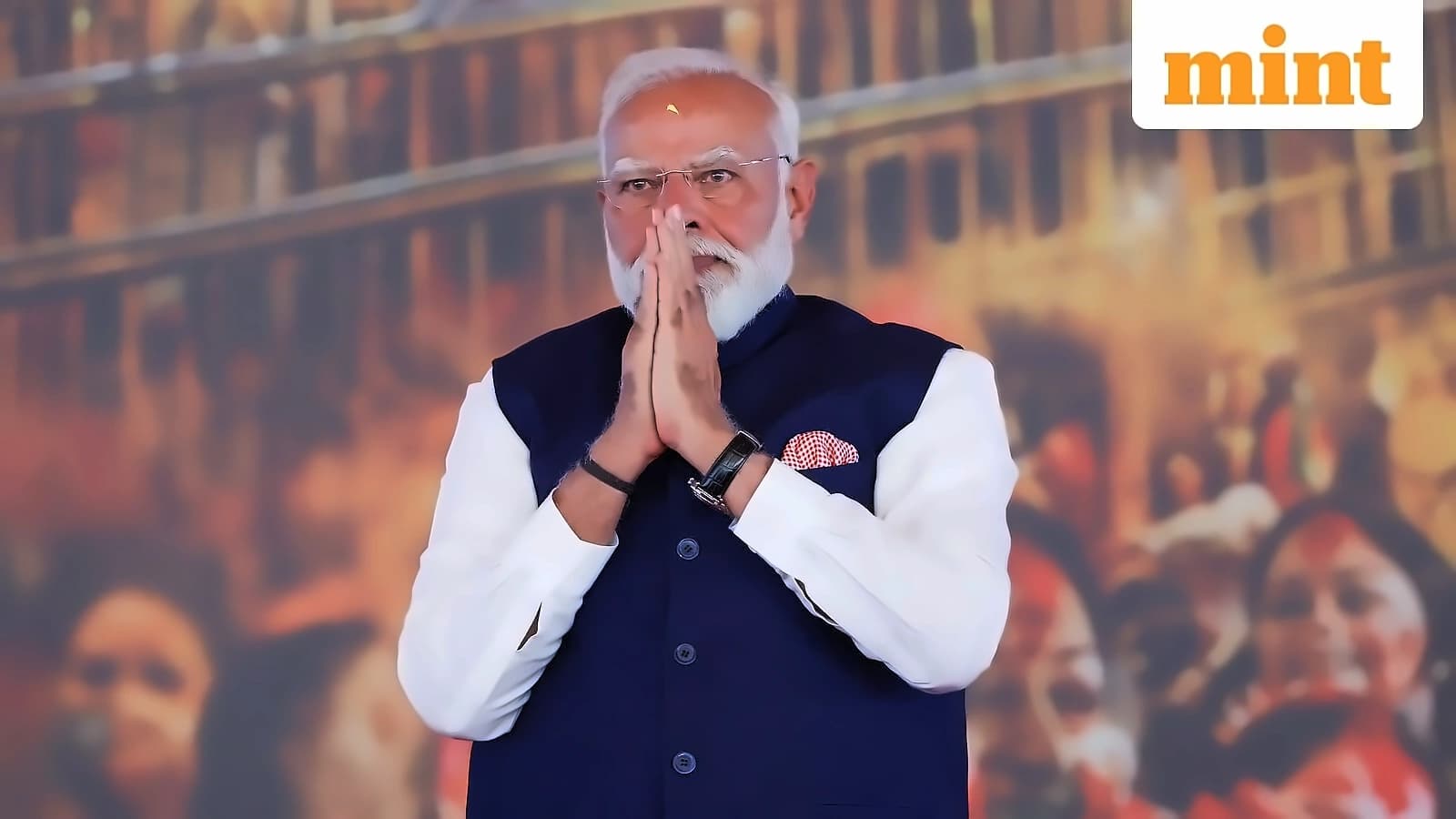
The energy crisis has created significant financial strain on India's economy, with state-owned oil marketing companies estimated to have accumulated notional losses approaching ₹1 lakh crore rupees over ten months of volatile energy prices. As reported by LiveMint, Dr Biswajit Dhar, former WTO Chair at the Indian Institute of Foreign Trade, noted that the politico-economic implications are significant, with inflation threatening consumer demand and being transmitted to impact growth rates. India's forex reserves shrank $7.8 billion to $690.683 billion as of May 1, this year, while rising fuel bills risk undermining the government's broader economic narrative at a moment when India is presenting itself as the world's fastest-growing major economy. Market experts believe the larger significance of Modi's tour lies in India's attempt to structurally reduce future vulnerability to crude oil shocks rather than expecting immediate relief in petrol and diesel prices. Ponmudi R, CEO, Enrich Money, cautioned that while Modi's visit can cool sentiment and reduce panic in crude markets if it produces firm supply commitments, oil prices will fall meaningfully only when the geopolitical risk premium comes down.