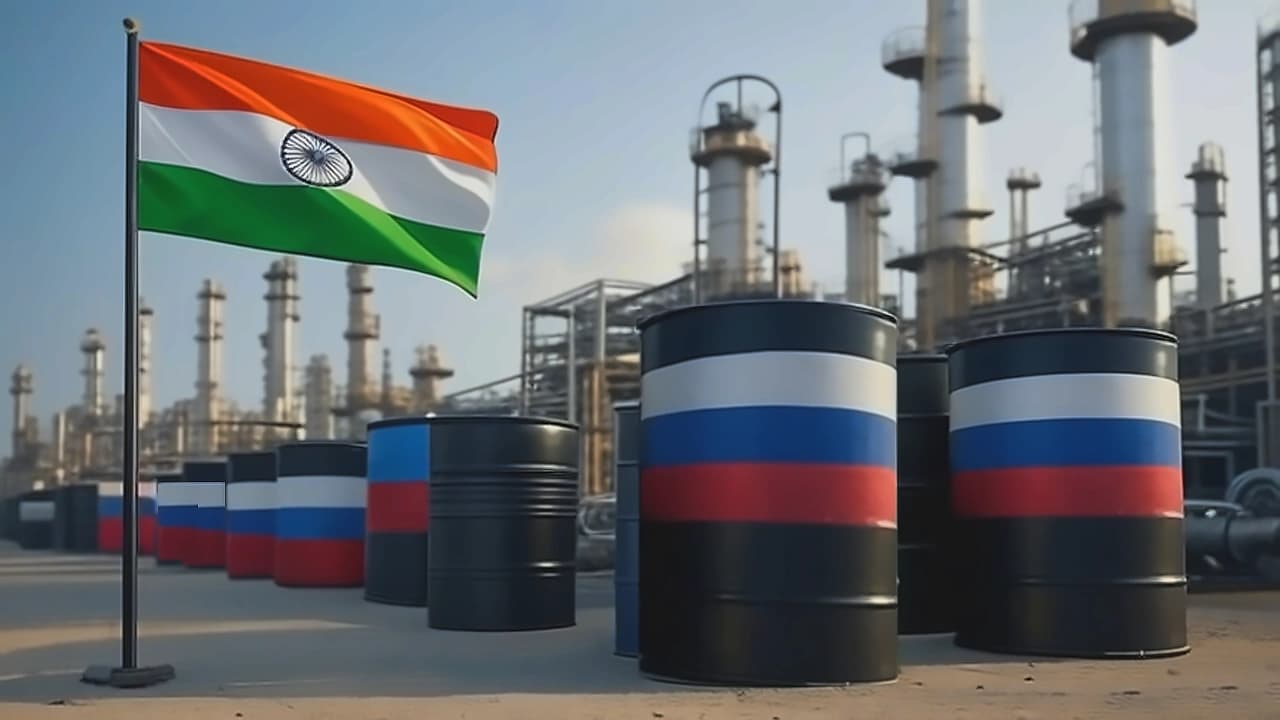
Crude oil prices have experienced their biggest weekly decline since April 2020, with Brent crude dropping from above $117 per barrel to below $95 before finding support near its 200-day moving average. Wednesday's 8% slump followed the US midterm elections, where the Democrats' victory in both chambers of Congress increased expectations that President Trump would seek a negotiated end to the prolonged conflict with Iran. According to The Economic Times, spot premiums for Middle Eastern crude benchmarks have returned to levels seen before the Iran war this week as ample supplies weighed on the market, with Dubai's cash premium to swaps slumping to 65 cents a barrel on Monday, the lowest since July, before recovering to $1.55 a barrel on Thursday. However, as reported by Reuters, the market is pricing a lower probability of war, not a settlement, with diplomatic efforts showing mixed results.
Middle Eastern producers ramped up crude exports in September and October, creating a surplus despite rising attacks on vessels transiting the Strait of Hormuz. As reported by The Economic Times, UAE's crude output rose to above 3.9 million bpd in September, above its pre-war level of 3.4 million bpd. Middle Eastern crude flows, including via bypass pipelines, averaged at 17.1 million bpd in September and 16.3 million bpd in October, with Iraqi flows jumping to 3.35 million bpd in October, only 150,000 bpd under pre-war levels. The enhanced supply conditions have been particularly pronounced in fuel oil, with UAE fuel oil exports bound for Singapore and Malaysia totalling about 729,000 metric tons in October, an eight-month high, according to Kpler data. According to Reuters, the 'war premium' - the extra margin built into the oil price for the chance that barrels will be lost - has cooled as the perceived probability of disruption falls, even before a single extra barrel reaches the market.
Asian fuel oil benchmark prices fell sharply this week as traders priced in higher Middle Eastern crude and fuel supplies, with Asian refiners' margins for 380-cst high-sulphur fuel oil (HSFO) slumping on Thursday, with the Dubai-basis crack closing at a discount of $2.29 a barrel versus a premium of $5.34 a barrel at the start of the week. The crack was at its lowest since mid-September, extending declines after flipping into discounts in the previous session. Regional supply has improved as higher exports from the UAE's Fujairah cap prices, with total fuel oil arrivals in Asia reaching a seven-month high in October, breaching 6 million tons, according to ship-tracking data from Kpler and LSEG. However, traders expect November arrivals to taper off as freight costs remain elevated, with dirty tanker freight rates from Rotterdam to Singapore hitting a record high of about $168 a ton in mid-October, before easing to about $95 a ton this week.
The shifting political landscape in the US Congress has ignited hopes for peace talks in the region, with Democrats' capture of the US Congress easing concerns about further escalation of the US-Israeli war with Iran. As reported by The Economic Times, the market is down on expectations that if a peace deal comes to fruition, more oil outflows from the Middle East will weigh on prices. Softer residual fuel prices would ease the costs of refuelling for shippers and lower feedstock procurement costs for refineries. Asian refiners are unlikely to increase crude purchases unless refining margins improve, as reported by The Economic Times, with China releasing a larger-than-expected fourth batch of fuel export quotas last week, raising expectations of increased supply in Asia. However, according to Reuters, diplomacy is moving in parallel with Qatar stepping up mediation efforts to avert a renewed escalation after the US elections, while Iranian officials have been meeting Qatari mediators carrying proposals to Washington. A senior Iranian official told Reuters on November 4 that Iran and the United States remain far from a deal to end their war, with Supreme Leader Ayatollah Mojtaba Khamenei saying in a written statement that US hostility would persist regardless of which party controls Congress.