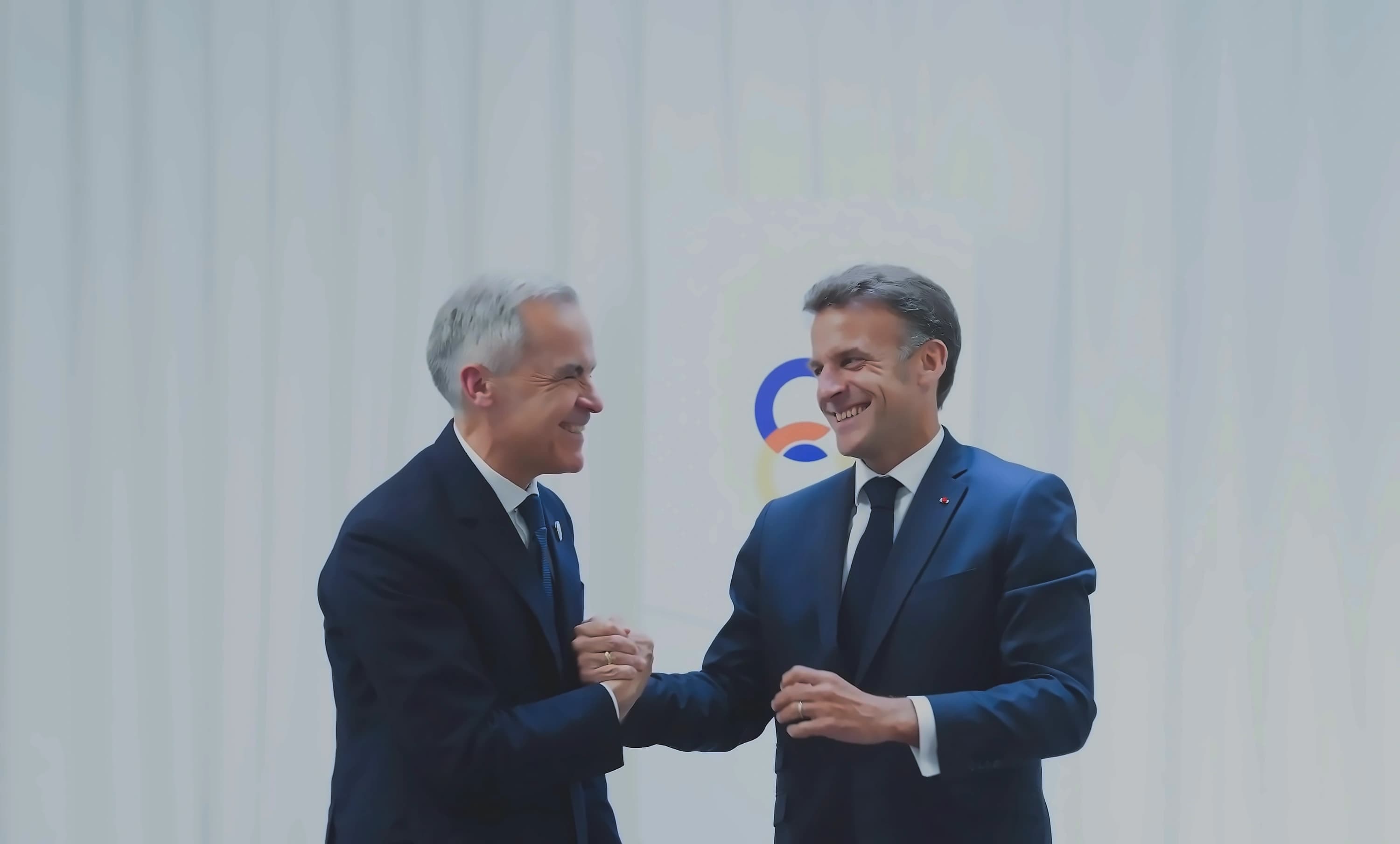
French President Emmanuel Macron has officially confirmed that a G7 meeting will take place in the coming weeks to address the escalating energy crisis stemming from the Iran war. Speaking at a news conference on Friday, September 19, Macron emphasized that the meeting will focus on strengthening cooperation and avoiding unnecessary tensions among G7 countries and their key partners. The announcement comes as Macron's government faces growing protests and pressure over high fuel prices, making energy security a critical priority for France. Macron also announced he would meet with Canadian Prime Minister Mark Carney on Sunday to strengthen trade exchanges in petroleum products and liquefied natural gas.
The G7 meeting will specifically consider options for potential releases from strategic reserves or the lifting of restrictions, as reported by Reuters. Macron explained that this coordinated approach mirrors actions taken a few months ago during previous energy crises. The proposed discussions are expected to centre on energy security, supply stability and measures to contain the economic fallout from the crisis. Any decision to release strategic reserves would depend on the scale and duration of supply disruptions. The latest market uncertainty has been compounded by security risks around Yemen's Bab el-Mandeb Strait, a key maritime chokepoint connecting the Red Sea with the Gulf of Aden. Macron said France is 'doing everything it can' to facilitate the peaceful reopening of the Strait of Hormuz, though he stressed this depends on the ability to finalize an agreement between Iran and the United States in the short term.
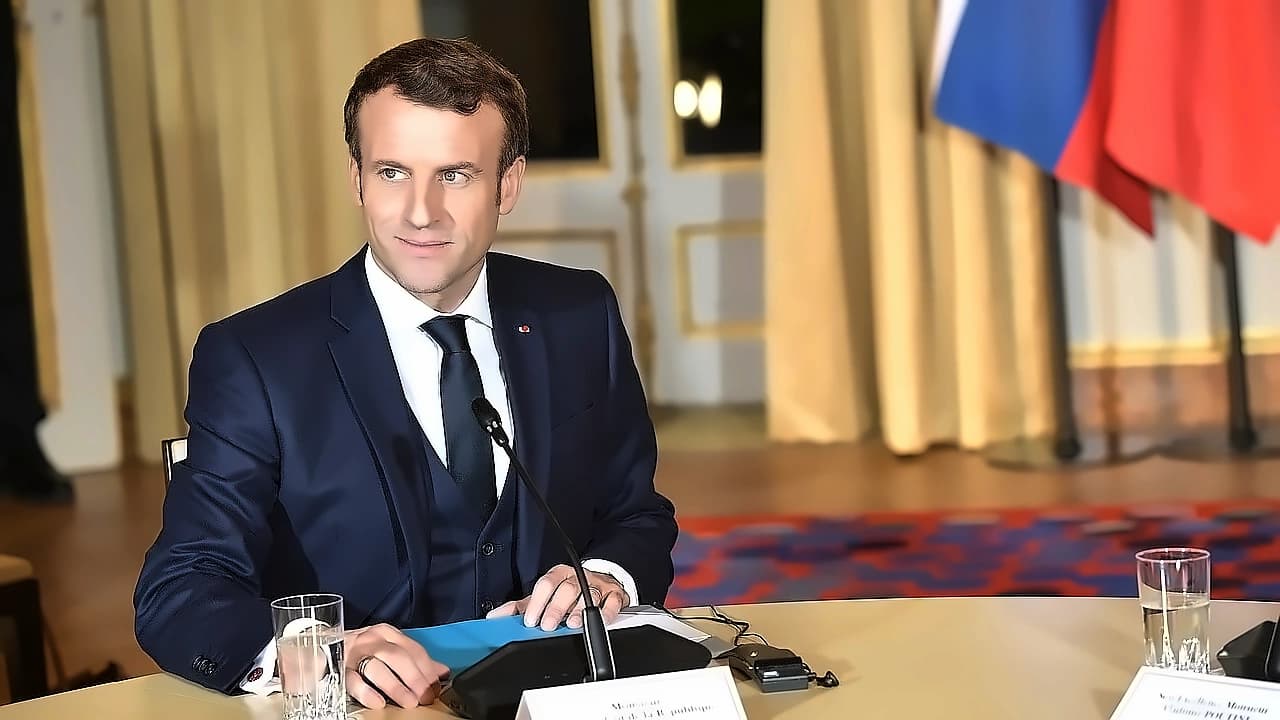
President Macron announced that he had ordered tightened protection of critical infrastructure and defense sites in the face of 'Russian hybrid attacks' that have intensified in recent weeks. Speaking after meeting with heads of political parties, Macron said the interior minister had brought together all regional prefects to raise preparedness and vigilance levels. The government has prepared a plan to protect critical infrastructure and sensitive sites of the defense industrial and technological base against drone and cyberattacks. Macron warned that Russia's actions toward Europeans are intended to intimidate and disrupt efforts to support Ukrainians, stating that 'the intention behind this is to intimidate us and to disrupt efforts to support Ukrainians; the consequence will be the opposite'. He called for vigilance while noting that similar maneuvers could take place in cities or sensitive areas.
France is facing mounting pressure on fuel prices and energy supplies amid concerns over disruptions to shipping routes and oil infrastructure linked to the Middle East crisis. Macron has described petrol prices as 'unbearable' and said France is working with international partners to secure supplies and ease the burden on motorists. The country's energy security is particularly vulnerable given its reliance on maritime transportation for oil imports and the strategic importance of the Bab el-Mandeb Strait for global energy flows. Macron announced that France is at the expected level of gas storage and will have its storage facilities filled for this winter as required under European criteria. He emphasized that diesel, jet fuel and gas are priorities for France, noting that Europe as a whole remains more dependent on gas than France itself. Macron said 'concern is growing over gas prices and the energy situation' due to the war in the Near and Middle East, as well as the war in Ukraine, with the consequences of attacks launched by the United States and Israel against Iran adding to the situation.