Former Union agriculture secretary Siraj Hussain says there is unlikely to be any significant loss of foodgrain production despite the rain deficit. As per ISignal, the threat of a strong El Niño still looming, rainfall in this year's monsoon season varied by the month. June was one of the driest in India's history, closing at a 35% deficit whereas July was 1% above normal. As of August 26, the all India seasonal rainfall stands at a 13% deficit, with the deficit most pronounced in East and South India. However, 146 districts have a large excess of rainfall even in this El Niño year, indicating better preparedness compared to 2015.
According to The Hindu BusinessLine, the Kharif harvest outlook predicts strong prices for 11 out of 14 crops that have MSPs announced for the 2026-27 season. As new Kharif crops arrive in mandis in about 10 days, farmers in top-producing states are expected to receive favourable market prices. Nine out of 14 Kharif crops were sold on average either at par with their respective MSPs or higher on September 4, as reported by Agmarknet data. In case of paddy, the key Kharif crop, the average price in Uttar Pradesh was ₹1,965 per quintal, with government procurement supporting market rates.
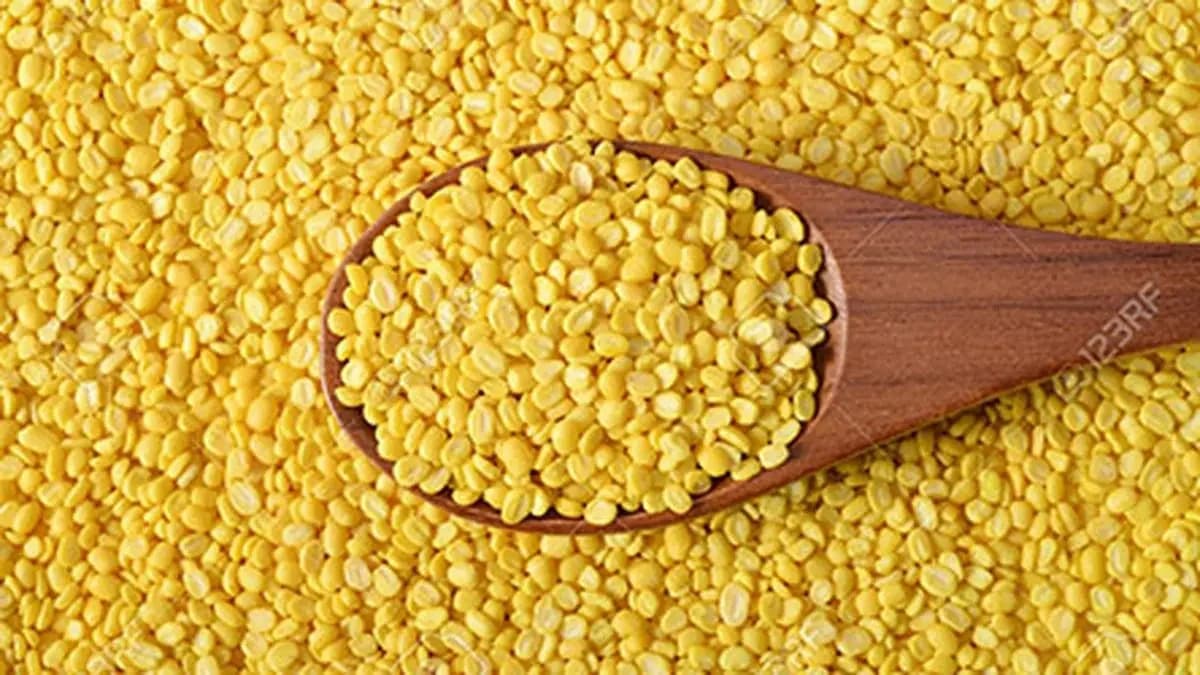
The only notable concerns are Bajra (Pear Millet) and Moong (Green Gram), which are lagging behind at 31 per cent and 13 per cent below their MSPs respectively. According to The Hindu BusinessLine, mandi prices of Bajra, Paddy, Moong, Groundnut and Soyabean are ruling in negative ranging from 0.6 per cent to 31 per cent over their next season's MSPs. However, Maize, Jowar, Tur and Urad are over their MSPs by up to 11 per cent. Despite reports of some likely productivity losses due to impact of El-Nino, the overall market outlook remains positive for most crops.

As reported by The Hindu BusinessLine, sowing area under maize is lower by 3 per cent at 91 lakh hectare from year-ago level, while paddy acreage trails by 4 per cent at 421.82 lakh hectare. Area under soyabean and groundnut is lower by about 1 lakh hectare each from year-ago number, official data as on September 4 show. Despite these area declines, the overall price outlook remains positive for most crops. However, India's overall sown area is 1.6 million hectares less compared to this time last year, with declines across coarse cereals, oilseeds, sugarcane and cotton.
According to S K Singh, former additional MD of cooperative major Nafed, as reported by The Hindu BusinessLine, "Going by the historical data and impact of El-Nino in previous years, there seems to be definite production loss this season." He noted that the sudden drop in soyabean is very surprising, which should not hold for long as cartelisation seems to be the reason for it. Singh added that "all major crops should see the prices aligned with their MSPs for their FAQ grade, except Moong where stock disposal by government agencies may keep prices below MSP." The government has responded by permitting duty-free import of raw sugar to further augment domestic availability as sugar prices surged from ₹48 on July 20 to ₹55 on August 20. Union agriculture minister Shivraj Singh Chouhan had earlier said "There is no need to panic. What is required is preparedness and collective action."
A former additional secretary in agriculture ministry told The Hindu BusinessLine that "There is no problem with paddy as the government has been procuring 40 per cent of production. Once the purchase starts (which varies from state to state), mandi prices too pick up." He also noted that soyabean prices are higher compared to last year, despite strong import of its oil, and "the groundnut crop in Gujarat, the top producer, will also looks good this year and its prices are also expected to move up." However, he cautioned that maize price, which is ruling higher, is likely to fall once the crop arrives as its demand will compete with other animal feed like soyameal and DDGS. The government has implemented Pradhan Mantri Fasal Bima Yojana to provide financial safety nets for farmers facing adverse climatic conditions, with 146 districts having large excess of rainfall providing some relief in this El Niño year.