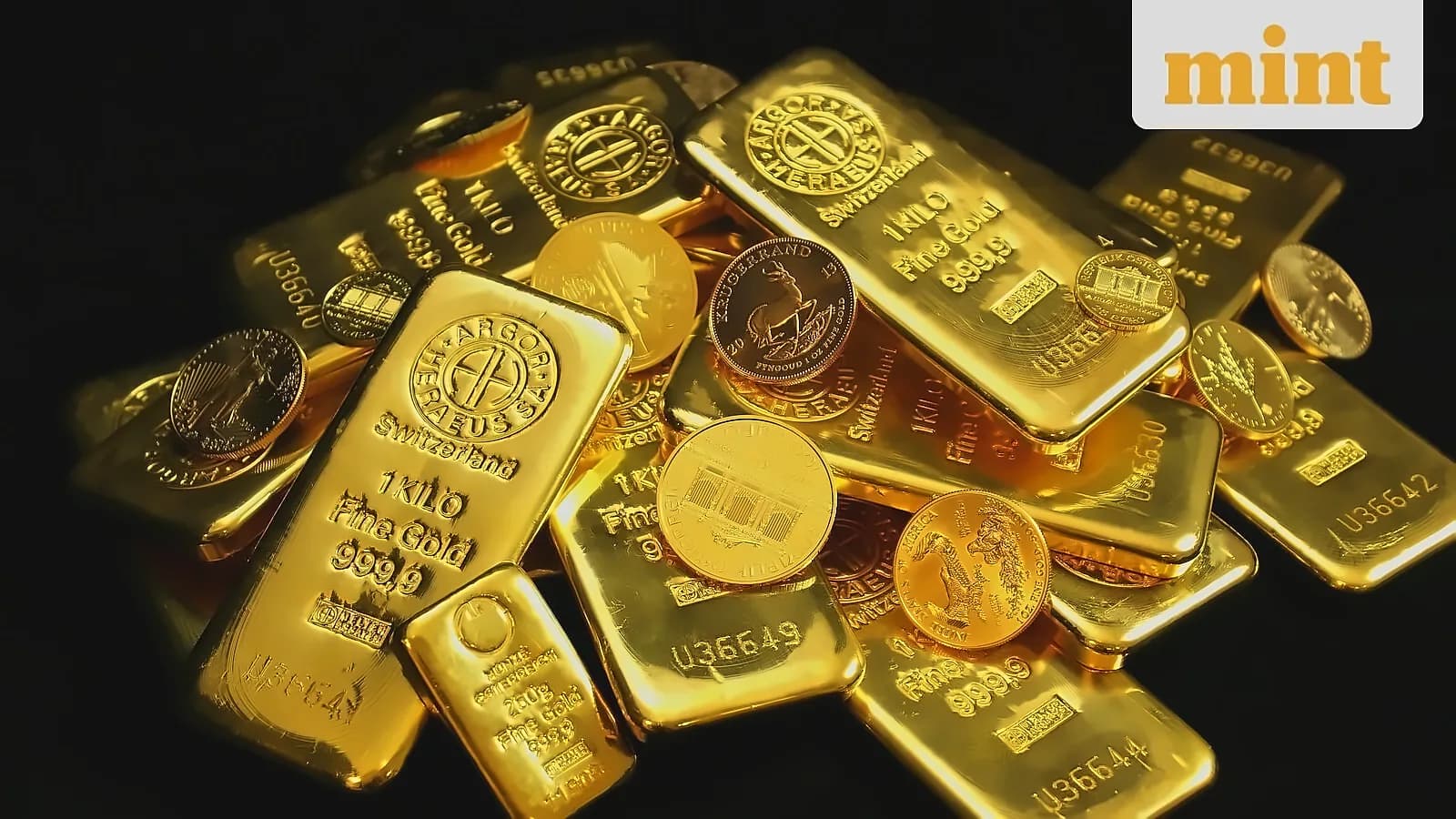
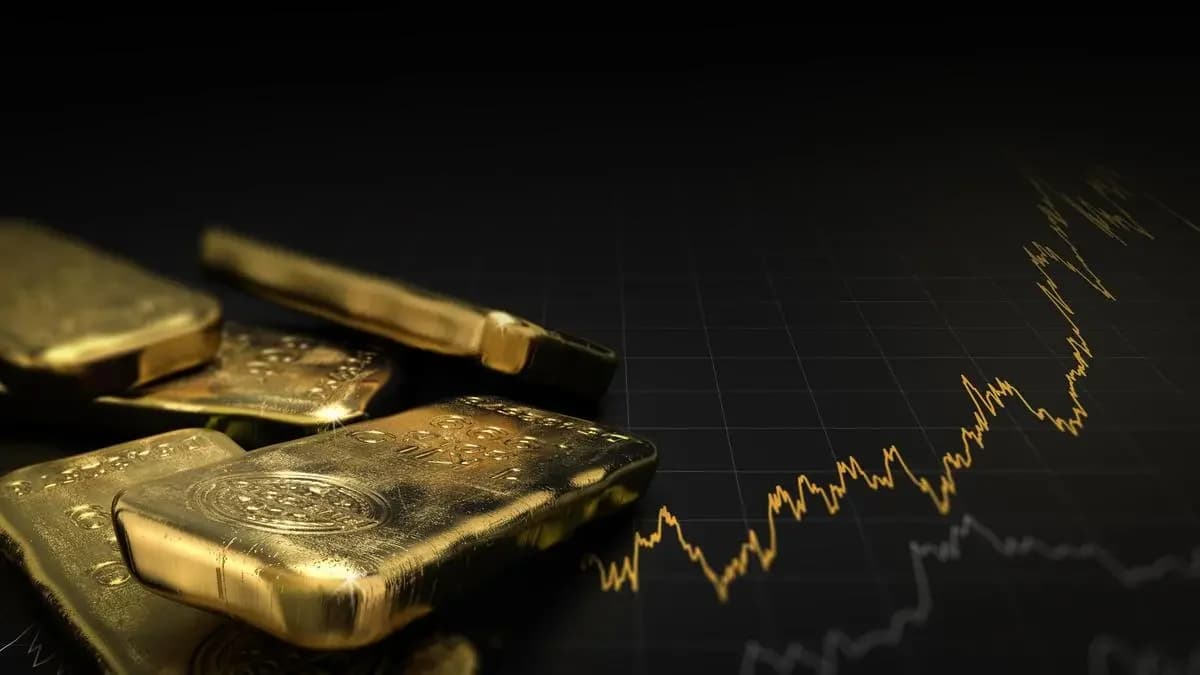
Gold prices have tumbled to their weakest level in more than a month, with spot gold falling 1.1% to $4,488.99 per ounce - its lowest since March 30. US gold futures for June slipped 1.5% to $4,493.30, as rising oil prices and fresh Middle East tensions shook investor confidence. The pressure came after oil prices continued their upward rally following a drone strike at a nuclear power plant in the United Arab Emirates, increasing fears of a wider regional conflict. Saudi Arabia's interception of three drones and US President Donald Trump's sharp warning to Iran further added to market anxiety as hopes of ending the US-Israeli war appeared to fade.
India has implemented significant restrictions on silver imports within just 96 hours, raising import duty from 6% to 15% and blocking the UAE loophole by making silver imports license-based. According to Financewizardcl reports, this move stops traders from importing at just 7% duty under the India-UAE trade agreement, affecting $12 billion worth of silver imports annually. The restrictions target India's reliance on more than 20% of the world's refined silver supply, with almost none mined locally, as every ounce imported requires dollars that India also needs for crude oil, fertilisers and critical imports. Forex reserves have already fallen by $38 billion in two months while the rupee weakened against the dollar, prompting these measures to slow unnecessary dollar outflows.
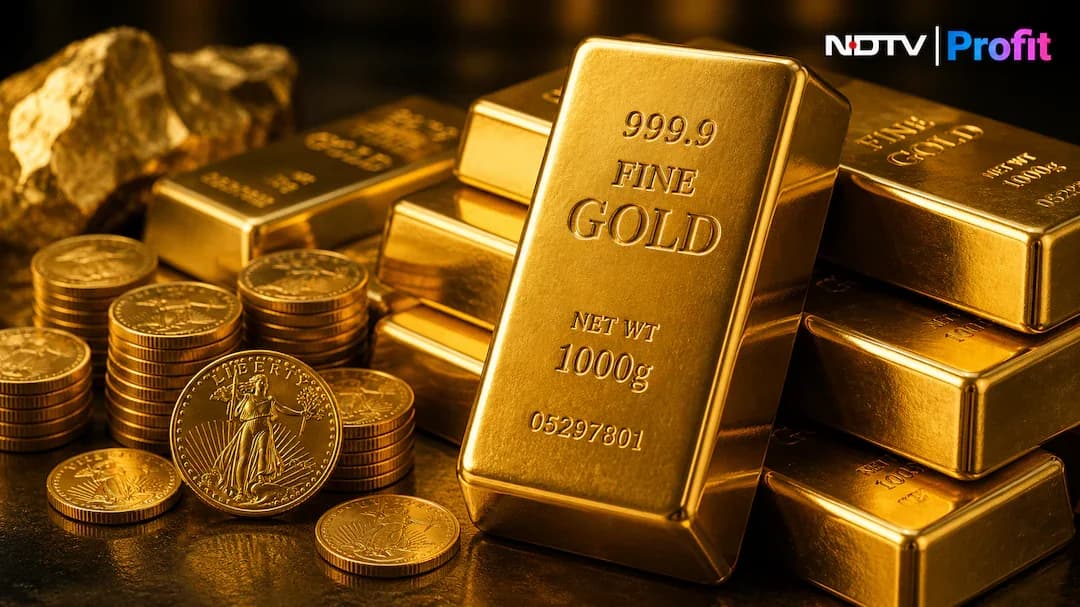
India's foreign exchange reserves have shown a significant recovery, rising $6.295 billion to $696.988 billion in the week ended May 8, recovering from the previous week's steep decline. A major driver of this rebound was a significant jump in gold reserves, which increased by $5.637 billion to $120.853 billion, reflecting the growing strategic importance of bullion in India's reserve basket during a volatile global environment. Foreign currency assets, the biggest component of India's reserves, also edged up by $562 million to $552.387 billion. The recovery comes after the country's reserves had fallen from their record peak of $728.494 billion reached in February, when escalating Middle East tensions triggered pressure on the rupee and prompted intervention by the Reserve Bank of India.
India's leading jewellery trade body has taken its bullion bank proposal directly to the government, meeting with Union Commerce and Industry Minister Piyush Goyal to discuss the formation of a regulated framework. According to Moneycontrol reports, the All India Jewellers & Goldsmith Federation (AIJGF) presented their case for establishing a 'Bullion Bank' to reduce the country's dependence on imported gold and ease pressure on foreign exchange outflows. The meeting represents a significant step forward from the federation's initial representation to the Union Commerce Minister, moving from proposal submission to direct policy engagement.
As reported by Essential Business Intelligence, the AIJGF stated that India possesses enormous untapped gold reserves in households, religious institutions and investment products. The federation argued that a regulated Bullion Bank ecosystem can help channel these resources productively and significantly lower the gold import burden. The proposed framework would allow jewellers, refiners and exporters to access domestically available gold through lending channels, thereby reducing the need for fresh imports. The trade body emphasized that India should focus on mobilising idle domestic gold reserves instead of taking measures aimed at curbing demand for the precious metal.
PM Narendra Modi's recent appeal asking Indians to avoid excessive gold purchases has reopened discussions about the country's gold import dependence, with official estimates placing imports at nearly $72 billion in FY2025–26. Industry experts argue that Modi's remarks, while aimed at reducing rupee pressure, face practical challenges in a country where gold is treated as financial security rather than luxury. As one market expert noted, "If the PM says don't buy gold, people are not suddenly going to stop buying it. That's not realistic in India." The precious metal's role as financial armour during emergencies makes demand resilient to public appeals, highlighting the need for structural solutions like the proposed bullion banking framework.