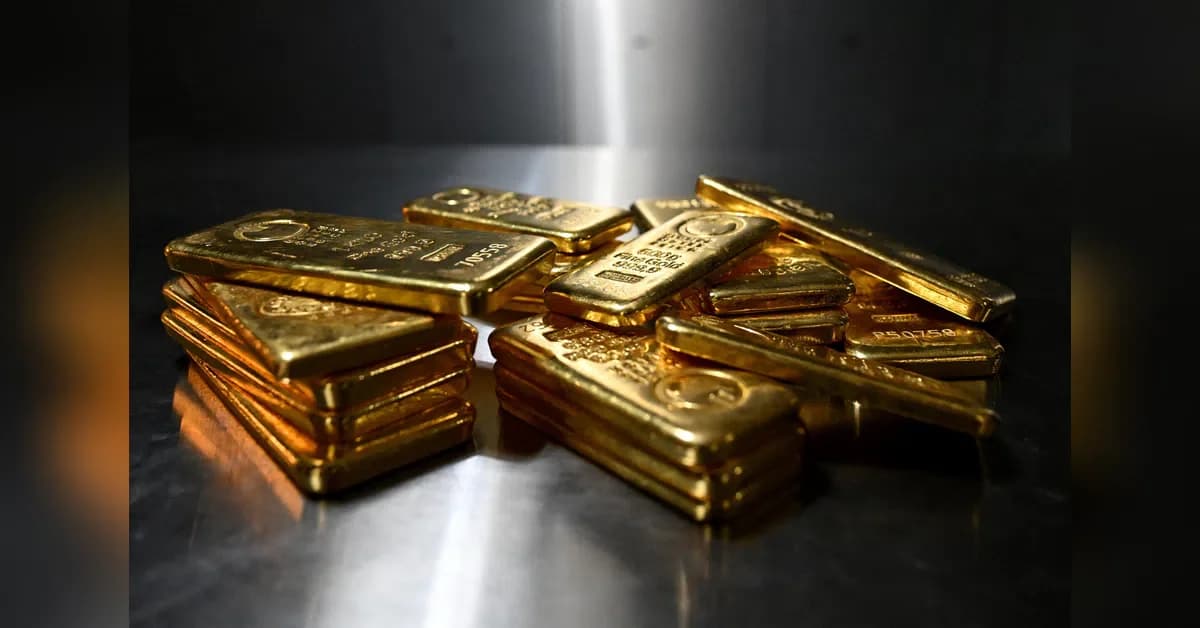
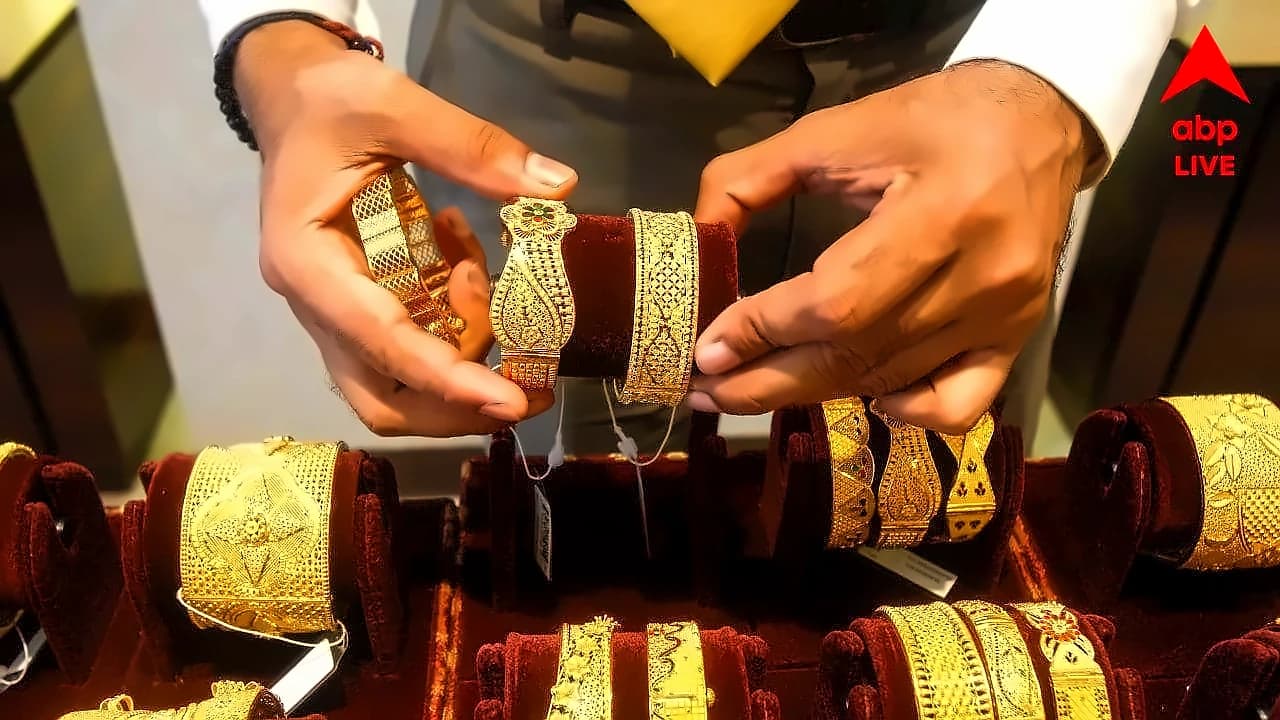
India achieved a historic milestone in the March quarter as investment demand surpassed jewellery consumption for the first time on record, according to the World Gold Council (WGC). As reported by Reuters, investment demand accounted for 54.3% of total gold consumption during the quarter, marking a significant shift in consumer behavior. Sachin Jain, chief executive of the WGC's Indian operations, told Reuters that investment demand will become increasingly prominent in coming quarters, with both financial and retail investors showing more interest in gold. The latest data shows this trend is accelerating rapidly, with investment demand potentially reaching 35-40% of total gold consumption in the current fiscal year, representing a structural shift toward investment-led gold consumption patterns.
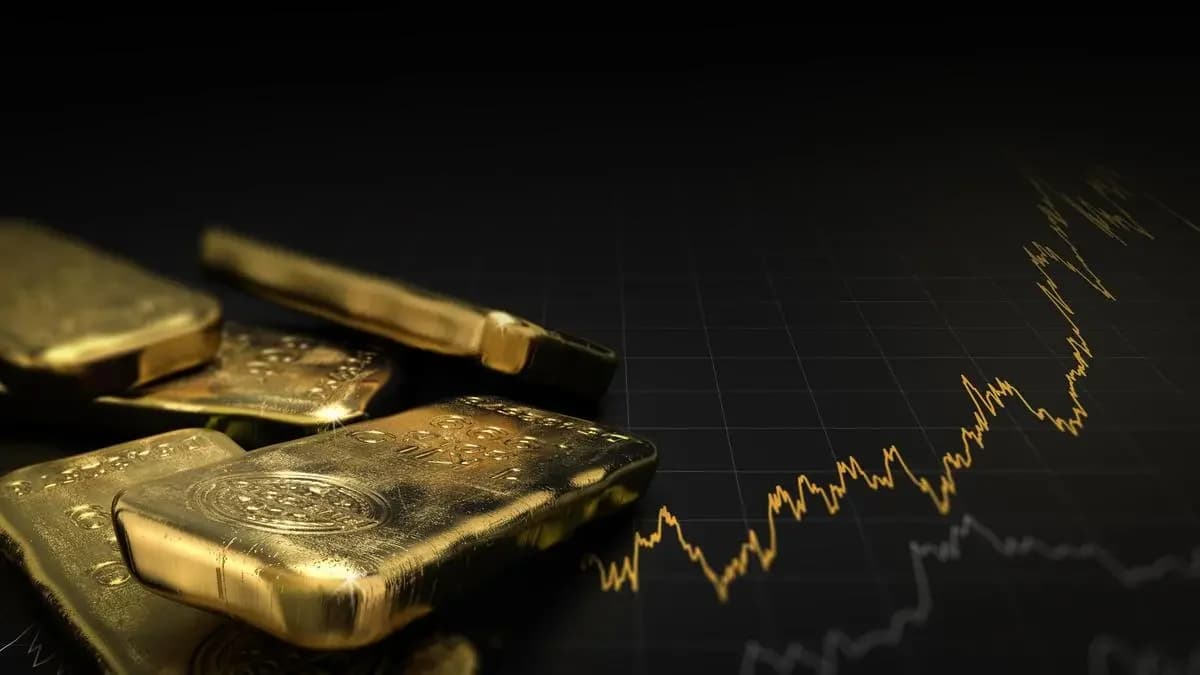
Investment demand in the March quarter surged 52% year-on-year to 82 metric tons, while jewellery demand fell 19.5% to 66 tons, according to the WGC report. Total gold consumption in India rose 10.2% to 151 metric tons during the quarter. Investment demand typically accounts for about a quarter of India's total gold consumption, but rising prices have been prompting investors to buy coins, bars, and gold exchange-traded funds (ETFs). Inflows into gold ETFs jumped 186% in the March quarter from a year earlier to a record 20 tons, as reported by the WGC. The latest global data shows gold ETF holdings have surged to 801 metric tons, with ETF share in consumption rising to 16% in CY25 from near zero, signalling a global shift toward investment-focused gold demand.
The shift in consumption patterns reflects changing investor sentiment amid challenging market conditions. Domestic gold prices have nearly doubled since the start of 2025, while India's benchmark Nifty 50 has risen only 2.4% during the same period, as reported by the WGC. Weak stock market performance in recent quarters has been drawing investors to gold ETFs, and this trend is likely to continue, according to Jain. The contrasting performance between gold and equity markets has made the precious metal increasingly attractive to Indian investors seeking alternative investment avenues. Geopolitical factors like US-Iran tensions and a strong US dollar are influencing current gold prices, with analysts suggesting gold may remain rangebound without significant geopolitical developments.
Despite the shift toward investment demand, India's gems and jewellery sector continues to show employment growth potential. Malabar Gold & Diamonds is launching 20 new showrooms by the end of this month with an investment of ₹1,580 crore, expecting to create over 725 new job opportunities. The sector is also benefiting from government initiatives, with the Finance Minister inaugurating the Indian Institute of Gems and Jewellery in Udupi and signing MoUs for specialized diamond technology training. Additionally, the Gems and Jewellery Export Promotion Council (GJEPC) has suggested a jewellery repair policy to the commerce ministry, citing India's potential to become a global repair hub for gems and jewellery. The recent FTWZ expansion by the government is expected to create more opportunities for India's jewellery sector and elevate the country's stature as a reliable global trading hub.
Recent trade policy developments are providing new opportunities for India's gems and jewellery sector. The India-EU FTA is expected to double bilateral jewellery trade to $10 billion within three years, offering zero-duty access to the EU's $17 billion market. However, challenges remain with the US imposing a 27% tariff on imports, which is expected to cause major disruption in the sector. The GJEPC has also requested the government to abolish import duty on raw material for lab-grown diamonds in the upcoming budget, while the industry continues to seek effective utilization of existing Free Trade Agreements for export growth. The India-NZ FTA is targeting 200% export growth to $50 million in three years, providing additional competitive advantages over China and Thailand in the Oceania region.