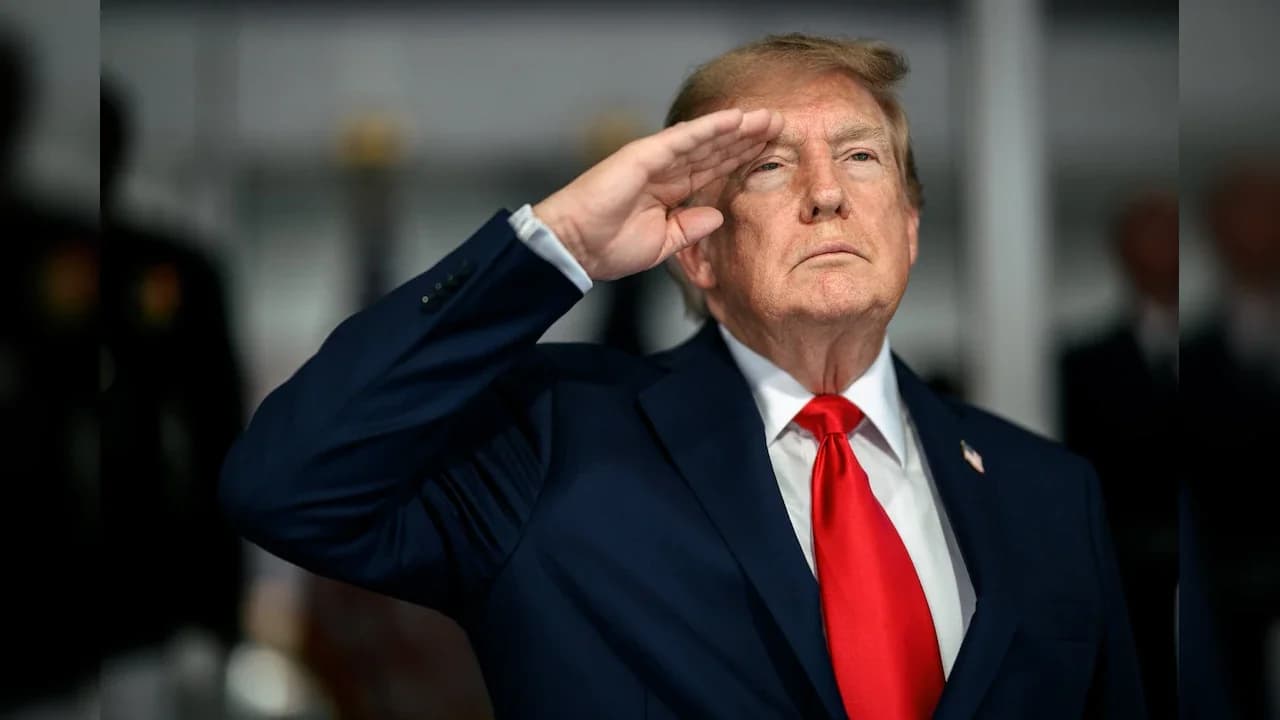
President Donald Trump posted an AI-generated video showing the US military blowing up an Iranian oil hub 'to smithereens' on Monday, despite Iranian officials dismissing the claims as 'laughable'. According to Reuters, Hamid Bovard, CEO of the National Iranian Oil Company, stated that 'Trump's tweets are laughable, and conditions in Kharg are calm and appropriate'. The video depicted a missile attack on Kharg Island, the Gulf hub that handles about 90% of Iran's oil exports. However, there was no evidence in the hours following Trump's post that Kharg Island had been attacked, as reported by Reuters. Bovard emphasized that oil operations have not halted and workers are busy repairing prior damage and upgrading facilities, with operations remaining normal despite the escalating tensions.
Reuters also reported that the video accompanying Trump's post was most likely synthetically generated. An AI-image detection tool indicated that the dramatic footage of explosions had been digitally manipulated. This raises questions about the authenticity of the visual evidence presented to support Trump's claims about Iran's key oil hub being attacked. The controversy comes amid the first renewed military clashes between the U.S. and Iran in weeks, with the U.S. previously striking Islamic Revolutionary Guard Corps forces near Iran's Larak Island that were preparing to launch attacks.
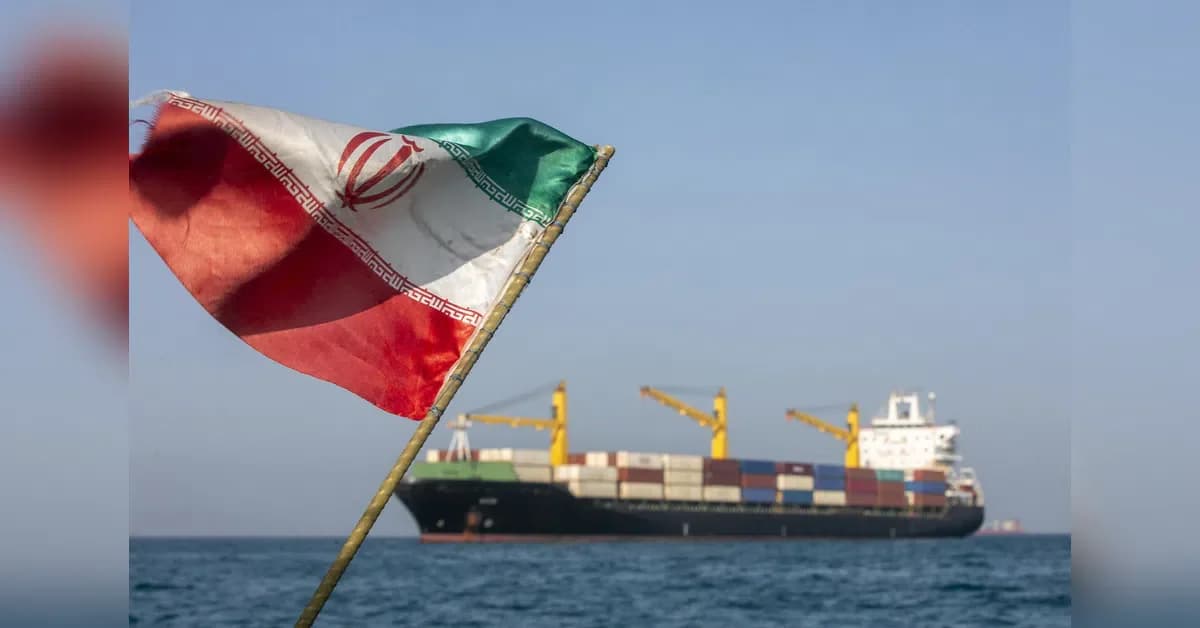
Iranian officials confirmed that oil operations on Kharg Island had not been disrupted, with workers reportedly continuing to repair damage from previous attacks and modernise facilities. According to comments cited by Nournews, a semi-official outlet close to Iran's top security body, operations remained normal despite the escalating tensions. Kharg Island handles around 90% of Iran's oil exports before the war began with US and Israeli attacks on February 28. The renewed tensions also pushed oil prices nearly 2% higher on Monday, reflecting market concerns about potential supply disruptions. Iranian President Masoud Pezeshkian said Tehran was not seeking war but would respond decisively to any aggression against the country, stating 'We will never remain silent in the face of any aggression...'
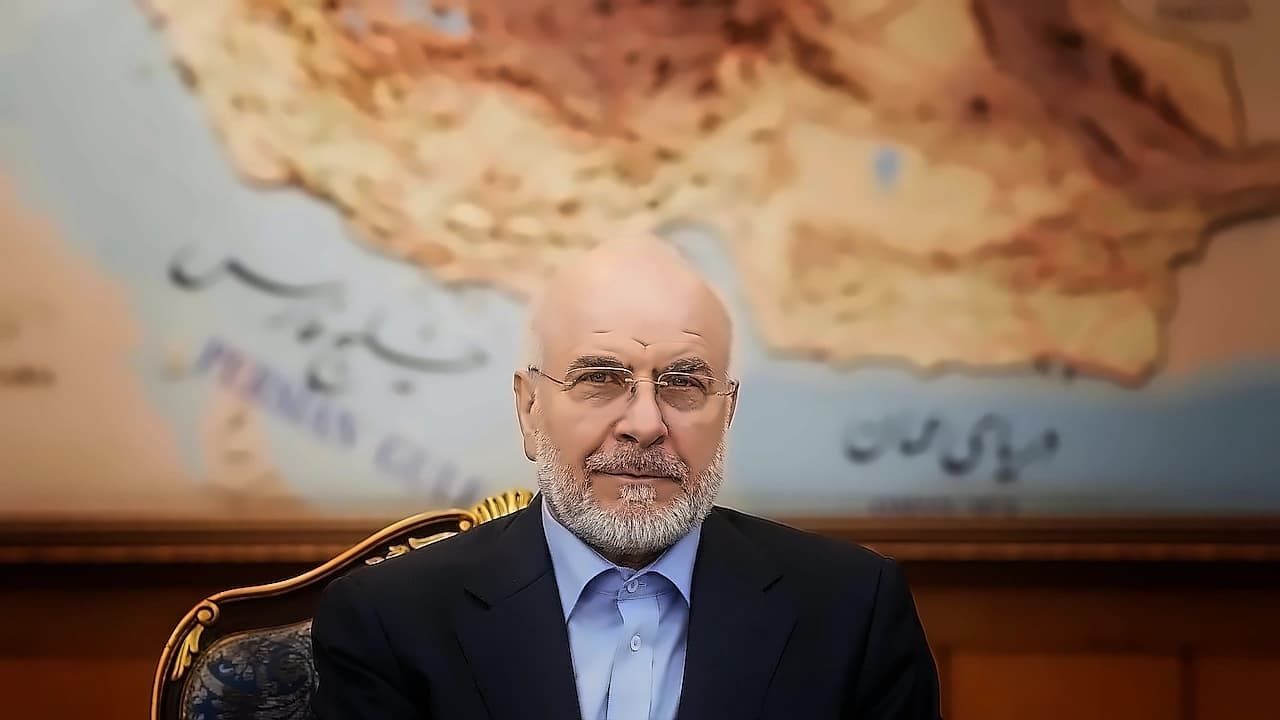
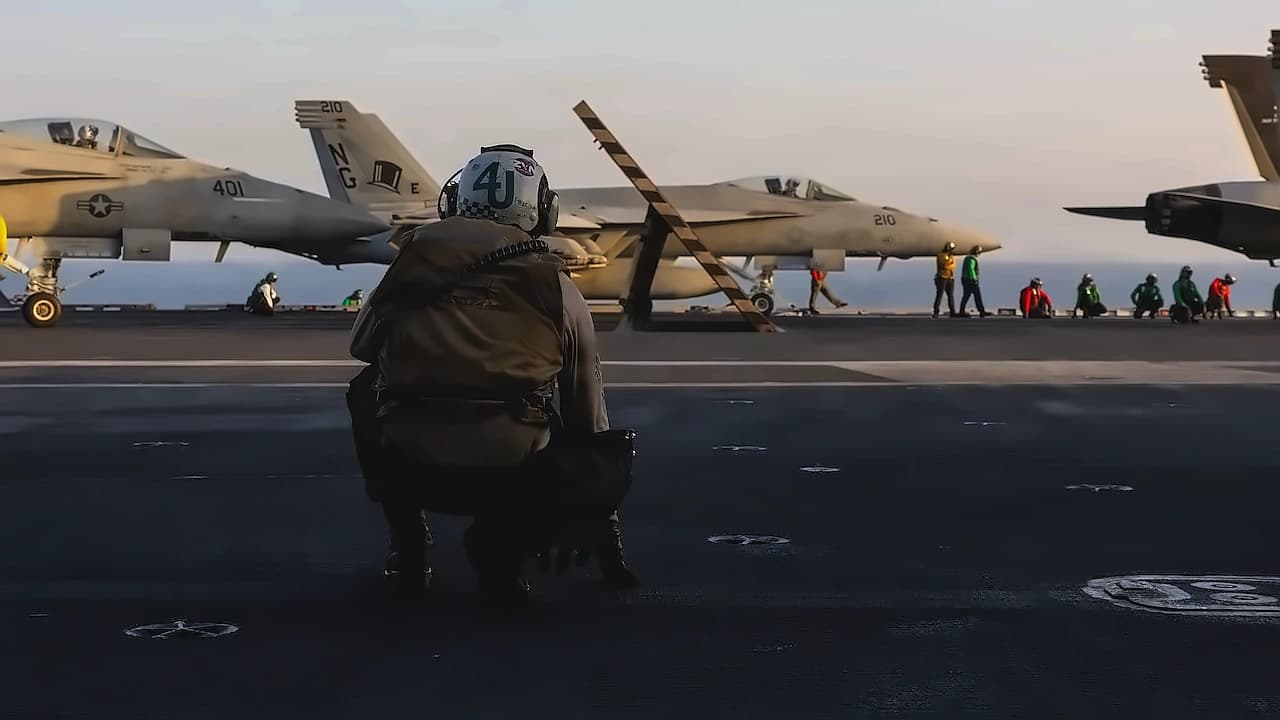
The post came shortly after the United States and Iran resumed hostilities for the first time since late July, further reducing hopes of an early resolution to the conflict which has now entered its sixth month. US forces launched pre-emptive strikes on missile launchers based on another island after Iranians had been seen preparing to launch rockets carrying sea mines. Earlier, the US targeted Iranian military installations on Larak Island, a different Iranian outpost in the Strait of Hormuz, marking the first attacks in over a month. Iranian media reported that Tehran retaliated by attacking two US bases in Jordan. The latest escalation has therefore raised fresh concerns over regional stability and the potential impact on global energy supplies. **General Hossein Mohebi, spokesman for the IRGC, called the attack
The controversy comes as the Trump administration shifts focus from military strikes toward economic pressure. U.S. Treasury Secretary Scott Bessent announced Sunday that the Treasury Department plans to roll out new secondary sanctions on a weekly basis, starting with banks involved in financial transactions with Iran. Speaking ahead of the G20 finance ministers' meeting, Bessent said: 'You're going to see more of these actions every week. We're starting with banks. We're going to tell banks that holding Iranian funds and aiding this regime is unacceptable.' The U.S. previously imposed penalties on the United Arab Emirates branches of Egypt's Banque Misr over alleged financial links to Iran, with Bessent indicating the next step may be cutting off an institution entirely from the dollar-based financial system. However, the global sanctions encirclement has not materialized as expected, with commercial flights between Iran, Turkey, and the UAE continuing and Pakistan maintaining overland trade with Iran despite U.S. pressure.