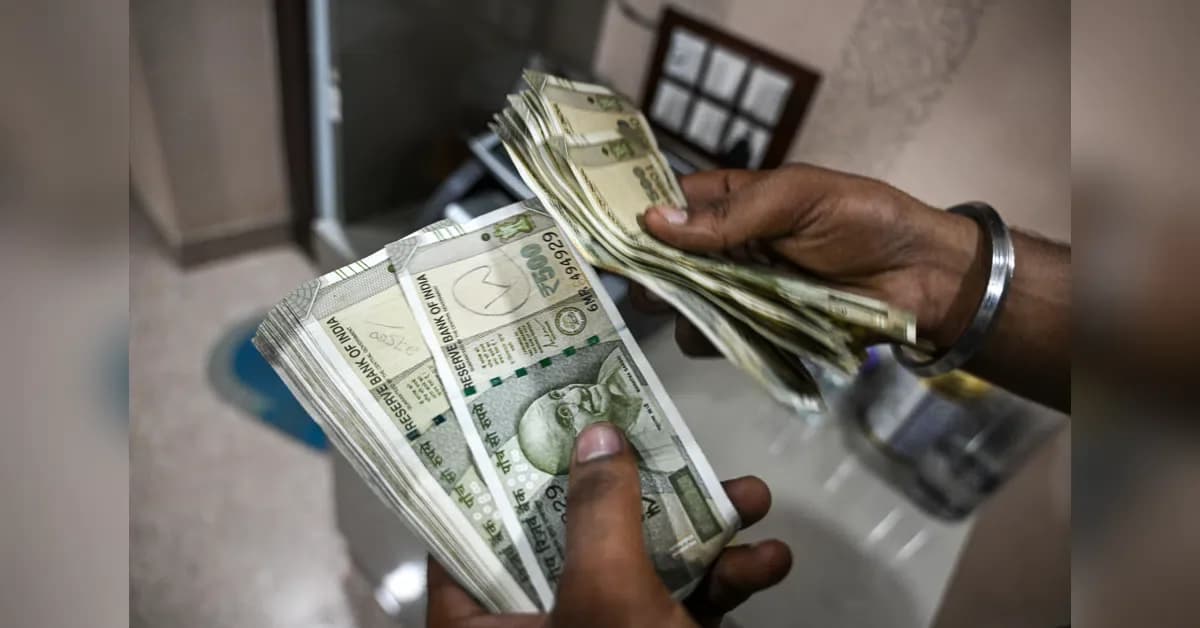
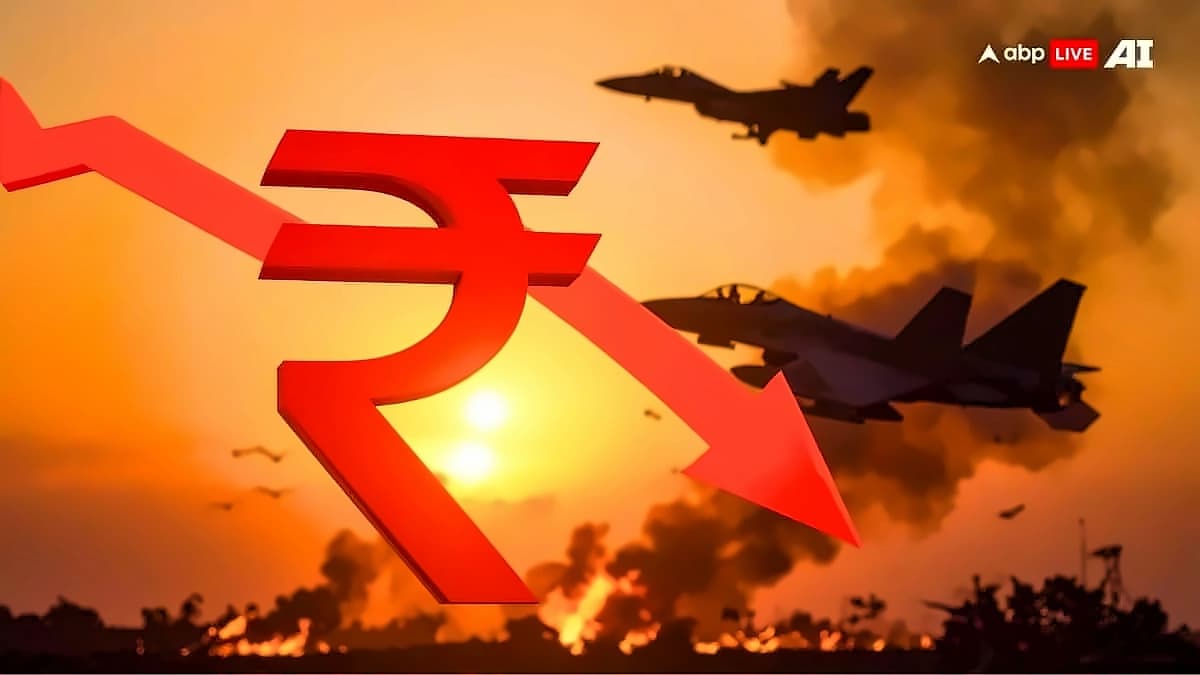
India's merchandise trade deficit widened to $28.4 billion in April 2026, compared with nearly $27 billion in April 2025 and $20.7 billion in March 2026, according to HDFC Bank analysis. The expansion came as import growth outpaced the increase in exports, with the country's import bill rebounding 10% year-on-year after witnessing a decline in March due to lower crude oil and gold purchases. The deteriorating trade balance is now compounded by significant currency pressures, with the Indian rupee becoming Asia's worst-performing currency amid rising crude oil prices and Middle East tensions.
The import increase was primarily driven by gold imports, which nearly doubled compared to March and registered an 82% annual rise. Higher core imports, including electronics, also contributed to the growth. Oil import volumes dropped 47% year-on-year due to disruptions linked to the closure of the Strait of Hormuz, though the oil import bill grew to $18.6 billion against an average of $13 billion during Q4 FY26. India increased purchases of Russian Urals crude after temporary easing of US sanctions to secure supplies amid Strait restrictions. The currency weakness is expected to make imports, fuel and international travel more expensive in the coming months, further pressuring the trade balance.
India's overall merchandise exports increased 13.8% year-on-year in April 2026, largely supported by petroleum exports which rose 34% despite continuing fuel export restrictions. Non-oil exports recorded healthy 9% growth, led by electronics and engineering goods. However, trade flows with West Asia weakened significantly due to regional conflict and Strait closure, with imports from Saudi Arabia rising 30.3% while purchases from UAE, Qatar, Kuwait and Iraq dropped sharply by 34.6%, 94%, 84.4% and 97% respectively.
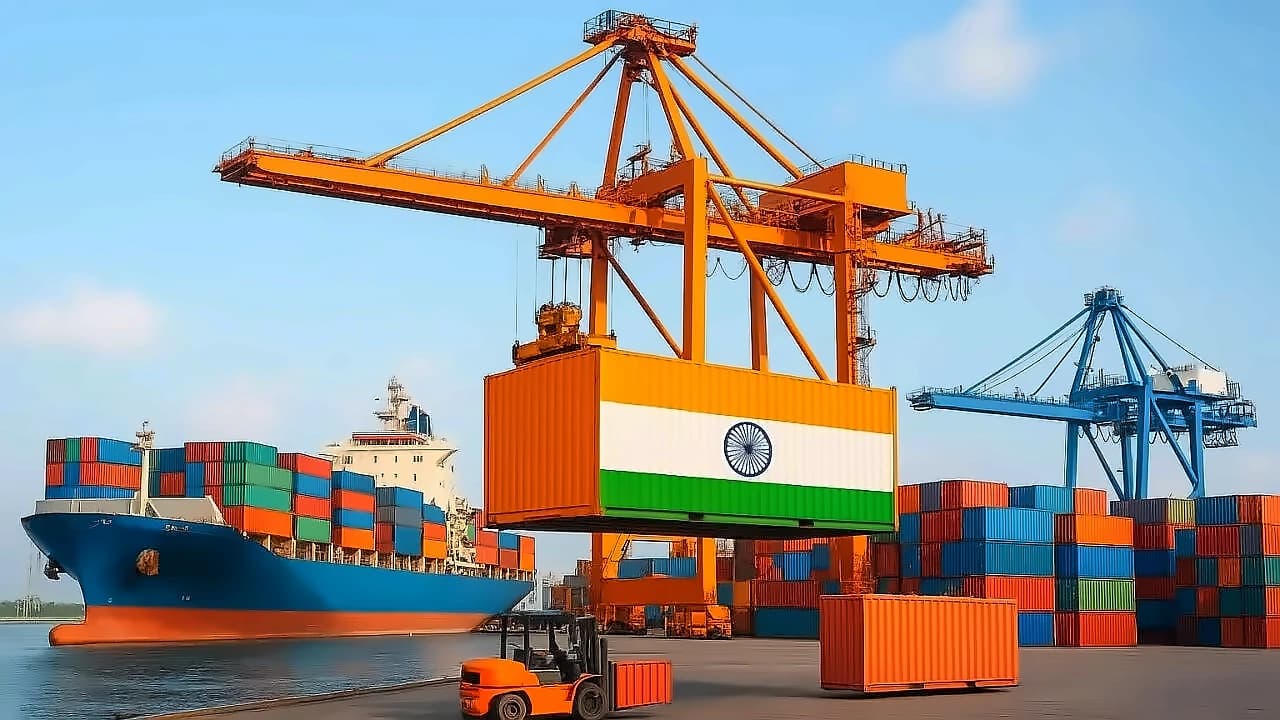
Services exports maintained strong momentum with 13.4% year-on-year growth, while services imports declined 1.5%. Net services exports increased to $20.6 billion compared with $15.9 billion in the corresponding period last year. The combined goods and services deficit narrowed to $7.8 billion in April 2026 from $11.2 billion a year earlier, helping cushion the broader external trade imbalance. However, the rupee's weakness is expected to impact the services sector, particularly affecting India's position as a key outsourcing destination.
HDFC Bank's base-case estimate for India's current account deficit in FY27 remains at 2.1% of GDP, assuming average crude oil prices of $85 per barrel. However, prolonged Strait of Hormuz closure and elevated crude prices around $111 per barrel pose upside risks to this projection. Analysts estimate that a 20% decline in gold import volumes could lower the current account deficit by around 10 basis points of GDP if prices remain unchanged, while higher oil export earnings may help offset external account pressure. The currency depreciation adds another layer of complexity to India's external balance, with experts noting that ongoing Middle East tensions and global uncertainty are forcing investors toward safer assets like the dollar.