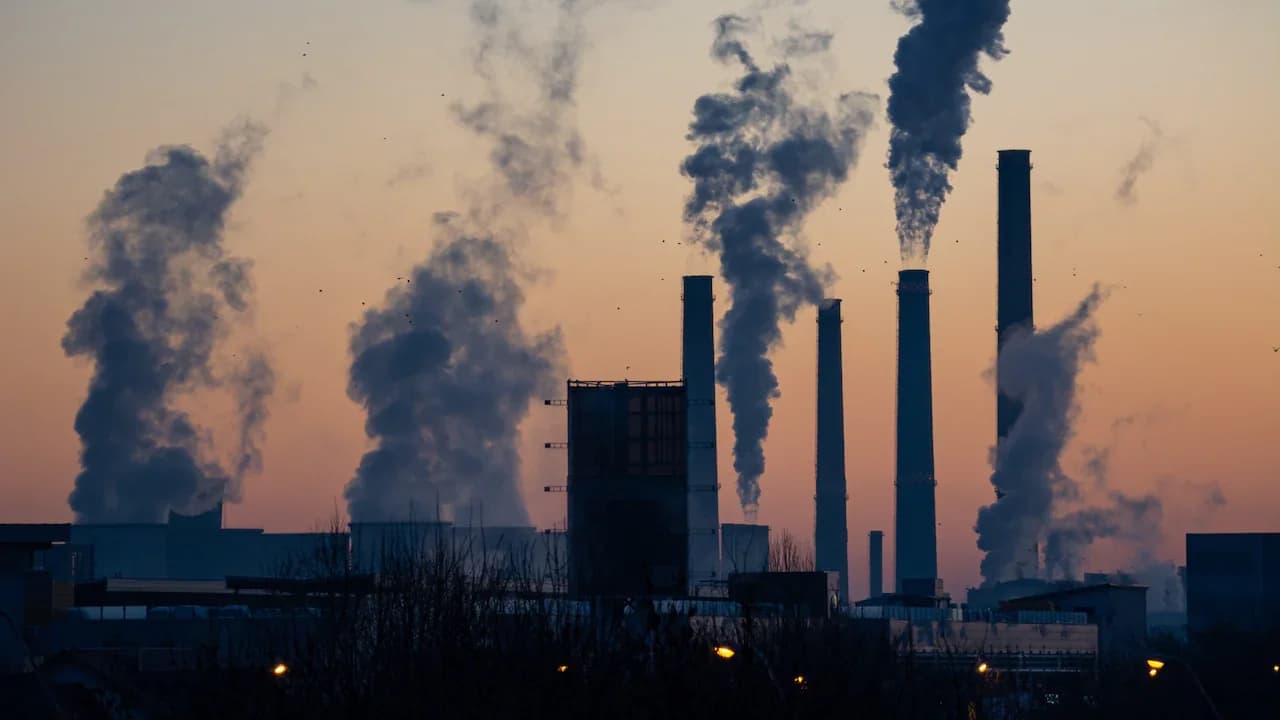
World crude steel production for the 70 countries reporting to the World Steel Association was 149.2 million tonnes in July 2026, representing a 0.3% decrease compared to July 2025. This global decline was primarily driven by a 3.6% drop in China's production to 76.9 million tonnes, while several major steel-producing countries recorded year-over-year gains. India boosted its production by 1.9% to 14.4 million tonnes, the U.S. increased output by 4.4% to 7.4 million tonnes, and Türkiye's production jumped 7% to 3.4 million tonnes. The mixed global performance highlights regional variations in steel demand and production capacity across different economies.
India's crude steel production rose 1.9 per cent year-on-year to 14.4 million tonnes in July 2026, according to provisional data released by the Ministry of Commerce and Industry. This represents a significant moderation from the 5.6 per cent growth recorded in June and 1.9 per cent growth in July 2025. However, consumption demonstrated stronger momentum with 6.8 per cent growth to 14.4 million tonnes during the month, as reported by the Ministry of Steel. For the first four months of FY2026-27, steel output expanded 4.7 per cent year-on-year to 54.7 million tonnes, while consumption grew at an even faster pace of 7.9 per cent to 56 million tonnes, indicating continued expansion in domestic steel demand.
Under the Ministry of Steel's Green Steel Initiative, 98 steel producers across 15 states have received Green Steel Certificates, marking significant progress in sustainable steel manufacturing. The certification covers products including TMT bars, HR/CR coils, plates, wire rods and pipes, with most certified products achieving the highest 5-star rating, highlighting the increasing adoption of low-emission steelmaking practices among India's secondary and mid-sized steel producers. This initiative represents a crucial step toward India's transition to more environmentally sustainable steel production methods.
Iron ore production emerged as the standout performer, with the production index surging 29.5 per cent year-on-year in July 2026, significantly outpacing steel growth. This follows a 44.5 per cent rise in June and represents a dramatic reversal from the 5.5 per cent contraction recorded in the corresponding period of 2025. During April-July 2026, iron ore output grew 25.2 per cent year-on-year, with the government identifying iron ore as one of the principal drivers of India's core-industry growth in recent months. The strong iron ore performance underscores the critical role of raw materials in supporting India's steel sector expansion.
Trade dynamics revealed a mixed picture for India's steel sector during April-July 2026. Finished steel imports rose 36.6 per cent year-on-year to 2.77 million tonnes, while exports increased 35 per cent to 2.29 million tonnes, as reported by the Ministry of Steel. In value terms, finished steel imports rose 43.1 per cent to ₹28,330.8 crore, while exports increased 29.4 per cent to ₹18,105.4 crore. India remained a net importer of finished steel in terms of quantity during the period. China emerged as the largest source of finished steel imports, accounting for 30.9 per cent of total imports, followed by South Korea at 30.2 per cent and Japan at 14.9 per cent. On the export side, Vietnam was the biggest destination with a 15.4 per cent share, followed by the UAE at 14.8 per cent, Belgium at 8 per cent, Italy at 7 per cent and Nepal at 6.6 per cent.
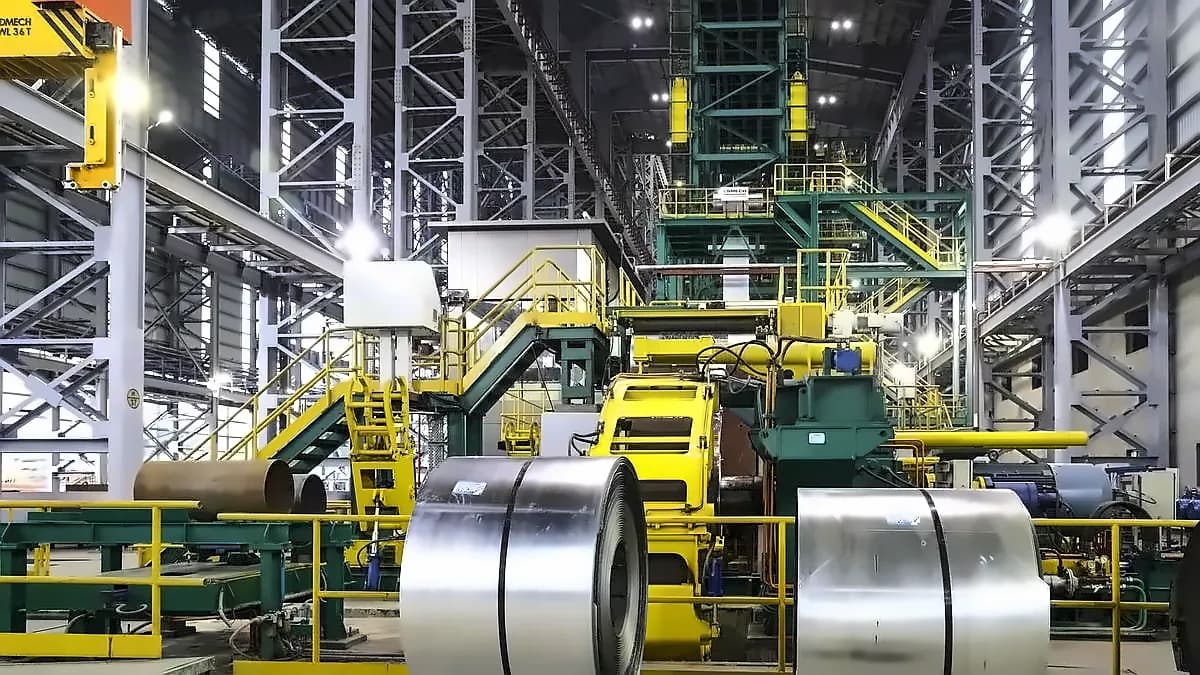
Alloy steel demonstrated robust growth with production rising 26.7 per cent to 3.71 million tonnes during April-July 2026, according to Ministry of Steel data. Alloy steel consumption increased 22.1 per cent to 4.02 million tonnes, while exports jumped 150.7 per cent to 122,200 tonnes. Meanwhile, stainless steel production declined 4.2 per cent to 1.38 million tonnes during the period, even as consumption increased 25 per cent to 1.77 million tonnes. This performance across different steel categories reflects the varied demand patterns and production capabilities within India's steel sector. Hot-rolled coil and strip remained the largest category in both imports and exports, accounting for 36.7 per cent of each, while cold-rolled coils and sheets made up 17.7 per cent of imports and pipes constituted 15.6 per cent of exports.