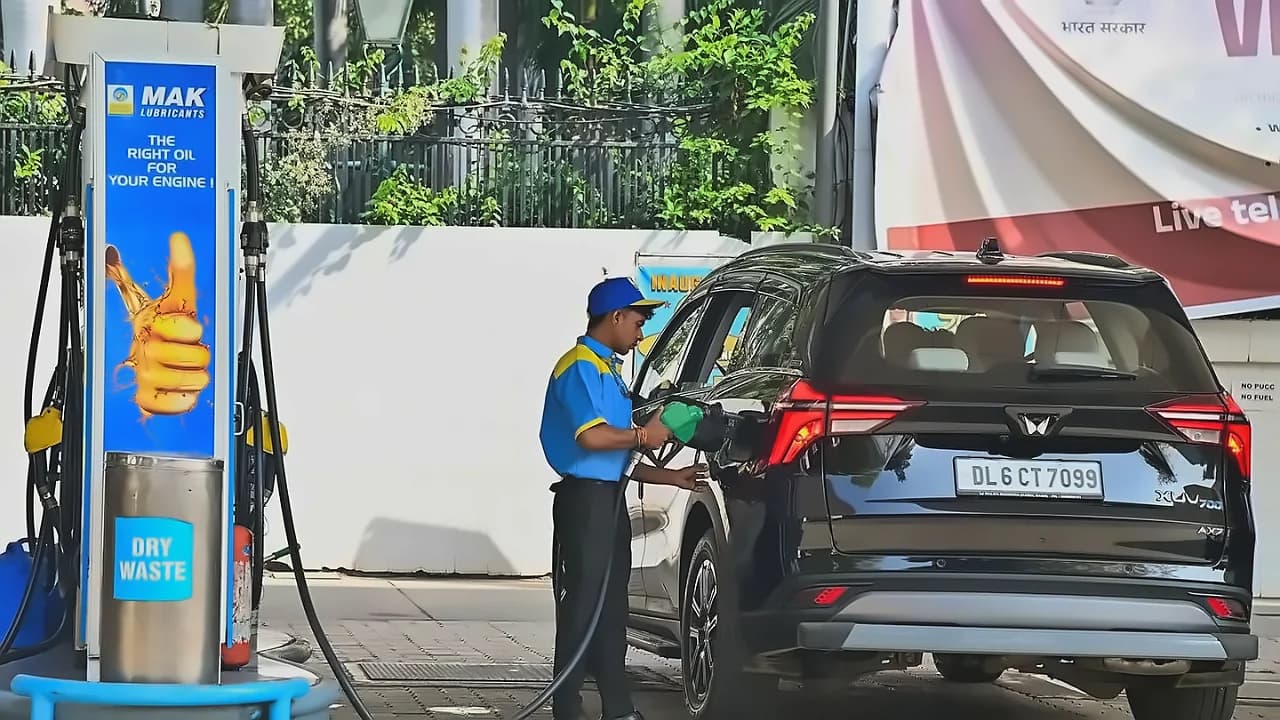
Petrol and diesel prices were raised by ₹2.61-2.71 per litre on Monday, marking the fourth increase in 10 days as state-owned fuel retailers continued to pass on rising international oil prices to consumers. According to reports from NDTV Profit, with the latest revision, cumulative increases in petrol and diesel prices have nearly touched ₹7.5 per litre since fuel price revisions resumed on May 15 after a prolonged freeze, stoking concerns over inflationary pressures and higher transportation costs across the economy. The latest revision follows three successive hikes in recent days - on May 15, petrol and diesel prices were increased by ₹3 per litre each, followed by another hike on May 19 of 90 paise per litre, and on May 23, petrol prices were raised by 87 paise per litre while diesel went up by 91 paise per litre. In Delhi, petrol prices have crossed the ₹100 mark for the first time in four years, reaching ₹102.12 per litre from ₹99.51, while diesel prices have increased to ₹95.20 per litre from ₹92.49. Mumbai sees petrol at ₹111.21 per litre and diesel at ₹97.83 per litre, Kolkata has petrol at ₹113.51 per litre and diesel at ₹99.82 per litre, and Chennai records petrol at ₹107.77 per litre and diesel at ₹99.55 per litre.
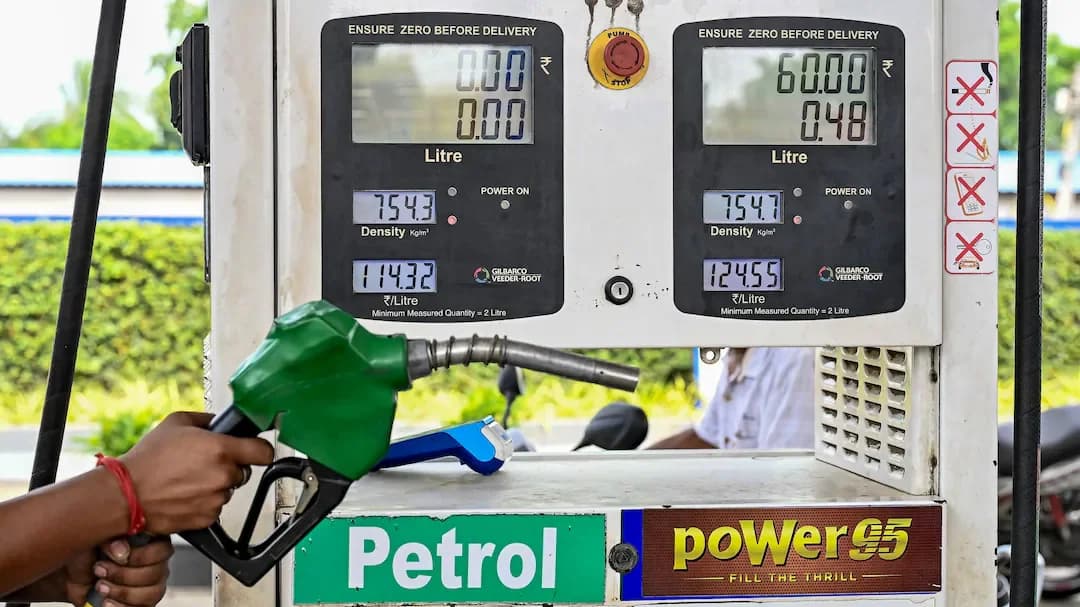
Congress leader Rahul Gandhi has intensified criticism of the government's fuel pricing policy, dubbing Prime Minister Narendra Modi as 'Inflation Man Modi' and alleging that the government was 'quietly fleecing' citizens' pockets. As reported by ANI, Gandhi claimed that while fuel prices were kept under control during elections, they are now being increased in instalments and will continue to rise further. He alleged that the Prime Minister remained focused on election campaigning at the time of earlier warnings about an economic storm. Congress President Mallikarjun Kharge also targeted the government, accusing the Prime Minister of 'burning the savings' of common people and drawing comparisons to the Manmohan Singh administration, claiming that despite international crude prices increasing by 175.34% in 2004 and 2014, the government did not raise fuel prices. The repeated fuel price hikes come amid sustained pressure on oil marketing companies due to elevated global crude oil prices, fluctuations in currency exchange rates and concerns over supply disruptions linked to ongoing tensions in West Asia. Trinamool Congress criticised the government, with the party's page on X stating that the 'Double Engine Govt' has begun 'looting common people relentlessly' and accusing chief minister Suvendu Adhikari of making 'jumla' promises about bringing Bengal petrol prices on par with Delhi.
India's fuel pricing strategy shows significant advantages over international markets, with government sources indicating that India prices petrol and diesel at or below most of the developing world and at roughly half the European pump prices. As reported by NDTV Profit, the analysis covers countries with percentage changes in local-currency pump prices between February 23, 2026 and May 2026, alongside post-Hormuz absolute pump prices in equivalent Indian rupees. The comparison reveals that India's petrol prices have increased by 7.7% and diesel by 8.6%, while major economies show much higher increases - the United States at 44.5% for petrol and 48.1% for diesel, and the United Kingdom at 18.4% for petrol and 34.0% for diesel. Congress leader Manickam Tagore criticised the government over rising fuel prices, drawing a comparison with UPA-era prices and alleging that the public continues to bear the burden of excise duties increased by ₹11 per litre in 2016 that have not been rolled back since.
India's two large neighbours - Pakistan and Nepal - have moved past ₹135 per litre on petrol despite lower nominal incomes, while Sri Lanka, Myanmar, and the Philippines have crossed ₹130 per litre. According to government sources cited by NDTV Profit, every major developed economy now retails petrol above ₹150 per litre and most above ₹180, with the EU 27 weighted average sitting at ₹179 on petrol and ₹184 on diesel. The only economies retailing petrol consistently below the Indian range are direct subsidisers (the UAE and Malaysia) or the US, which has structurally low fuel taxation. Karnataka CM Siddaramaiah accused the Centre of misleading the public on inflation, stating that petrol in Bengaluru has reached nearly ₹110 per litre and diesel is close to ₹99, with the combined rise over recent hikes pushing fuel costs up by about ₹7.52 per litre.
The current price increases follow a prolonged freeze in retail fuel prices and come amid elevated crude oil prices in the global market, tightening refining margins, and a weaker rupee, which have sharply raised the cost of imports. As reported by NDTV Profit, petrol and diesel prices are now at their highest levels since May 2022, with rates having remained frozen since April 2022 except for a ₹2-per-litre cut in March 2024 ahead of national elections. The back-to-back increases reflect the challenging global oil market conditions and currency pressures facing India's fuel retail sector, with the continued hikes in petrol, diesel and CNG prices likely to increase logistics and transportation costs further, potentially triggering a cascading effect on retail inflation and impacting household budgets as well as commercial transport sectors across the country. AAP leader Manish Sisodia criticised the Centre over rising fuel prices, saying petrol and diesel rates are being increased almost daily while incomes remain stagnant, and alleging that the hike in fuel prices is pushing up the cost of essentials like milk, vegetables and food items.