India's edible oil import bill is estimated to rise 20% to ₹1.75 lakh crore during the current marketing year ending October, according to the Solvent Extractors' Association of India (SEA). As reported by The Hindu BusinessLine, the import bill stood at ₹1.61 lakh crore last year and is now projected to cross an unprecedented ₹1.75 lakh crore this year. In the first eight months of the current oil year, the import bill stood at ₹1.19 lakh crore compared to ₹99,000 crore in the year-ago period, representing a growth of 20.20% or nearly ₹20,000 crore increase in just eight months.
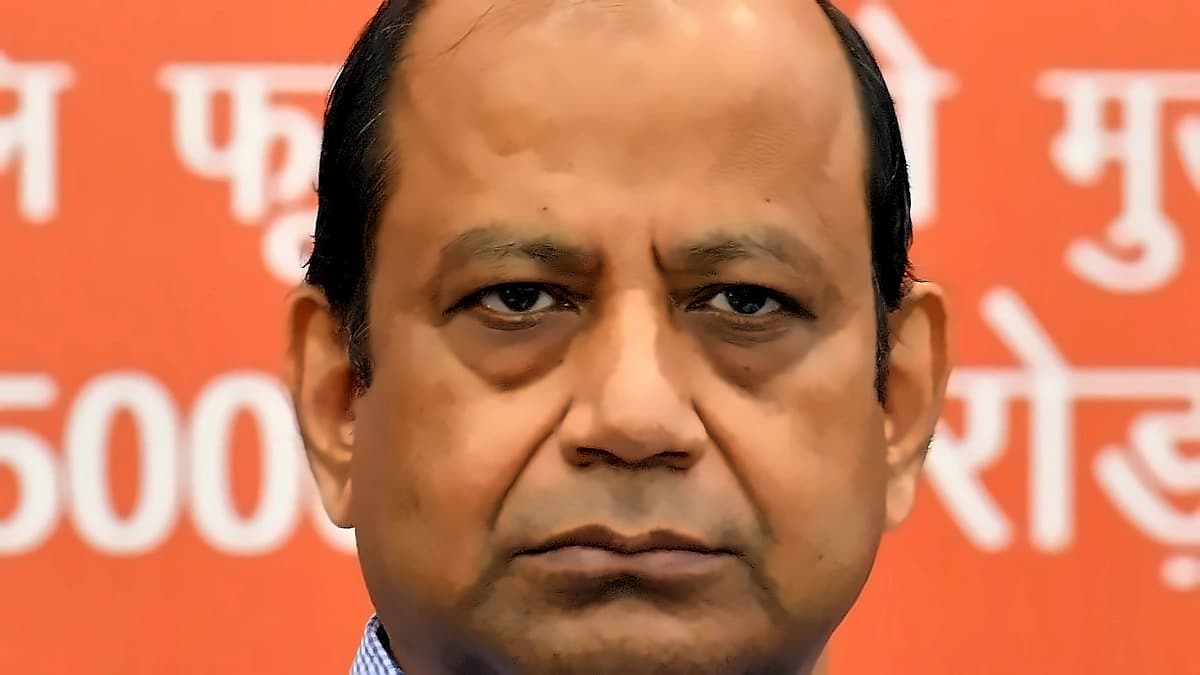
India's edible oil imports rose 7% to 103.88 lakh tonnes during November 2025-June 2026 period from 97.29 lakh tonnes in the corresponding period of the previous oil year, according to SEA reports. The edible oil marketing year runs from November to October. SEA President Sanjeev Asthana expressed concern that this substantial foreign exchange outflow could be channeled into strengthening India's agricultural infrastructure instead. In his latest communication to SEA members, Asthana emphasized that imports have already exceeded 104 lakh tonnes during November-June alone, highlighting the accelerated pace of import growth.
A weaker rupee has made imports costlier, while weather uncertainties including below-normal monsoon forecasts and delayed sowing in several oilseed-growing regions are raising concerns over domestic production, as reported by The Hindu BusinessLine. Global developments are adding further pressure, with Indonesia's expanding biodiesel programme diverting larger quantities of palm oil from food to fuel, tightening global supplies. Geopolitical uncertainties and higher freight and insurance costs continue to keep international edible oil prices volatile. SEA President Sanjeev Asthana noted that the net effect is that India may be compelled to import more, and pay considerably more for every tonne.
On Kharif sowing of oilseeds, the SEA pointed out that the overall acreage has remained substantially lower as on 17th July, with the area under coverage at 147 lakh hectare compared to 155.7 lakh hectare for the same period last year, representing a decline of 8.6 lakh hectares. SEA President Sanjeev Asthana highlighted particular concern over the possibility of weaker rainfall during the critical August-September flowering period, which could adversely affect oilseed yields and further deplete reservoir levels with implications for the forthcoming Rabi season. He noted that groundnut, soybean and sunflower sowing has lagged behind last year's pace, with the South-West monsoon being uneven this year and several oilseed-growing regions recording rainfall well below normal.
Asthana emphasized that India stands at a defining moment in its edible oil journey, stating that warning signs are becoming increasingly difficult to ignore. He stressed that while imports will continue to play an important role, India's long-term answer cannot lie in importing more — it must lie in producing more. Referring to recent calls by the Chairman of the Economic Advisory Council to the Prime Minister (EAC-PM), S Mahendra Dev, for incentive-driven crop diversification towards oilseeds and pulses, Asthana said these calls reinforce a direction SEA has consistently advocated. He emphasized that diversification succeeds only when farmers find it economically rewarding, requiring better market returns, improved technology, assured procurement, quality seeds and effective extension services to encourage farmers to shift towards oilseed cultivation.