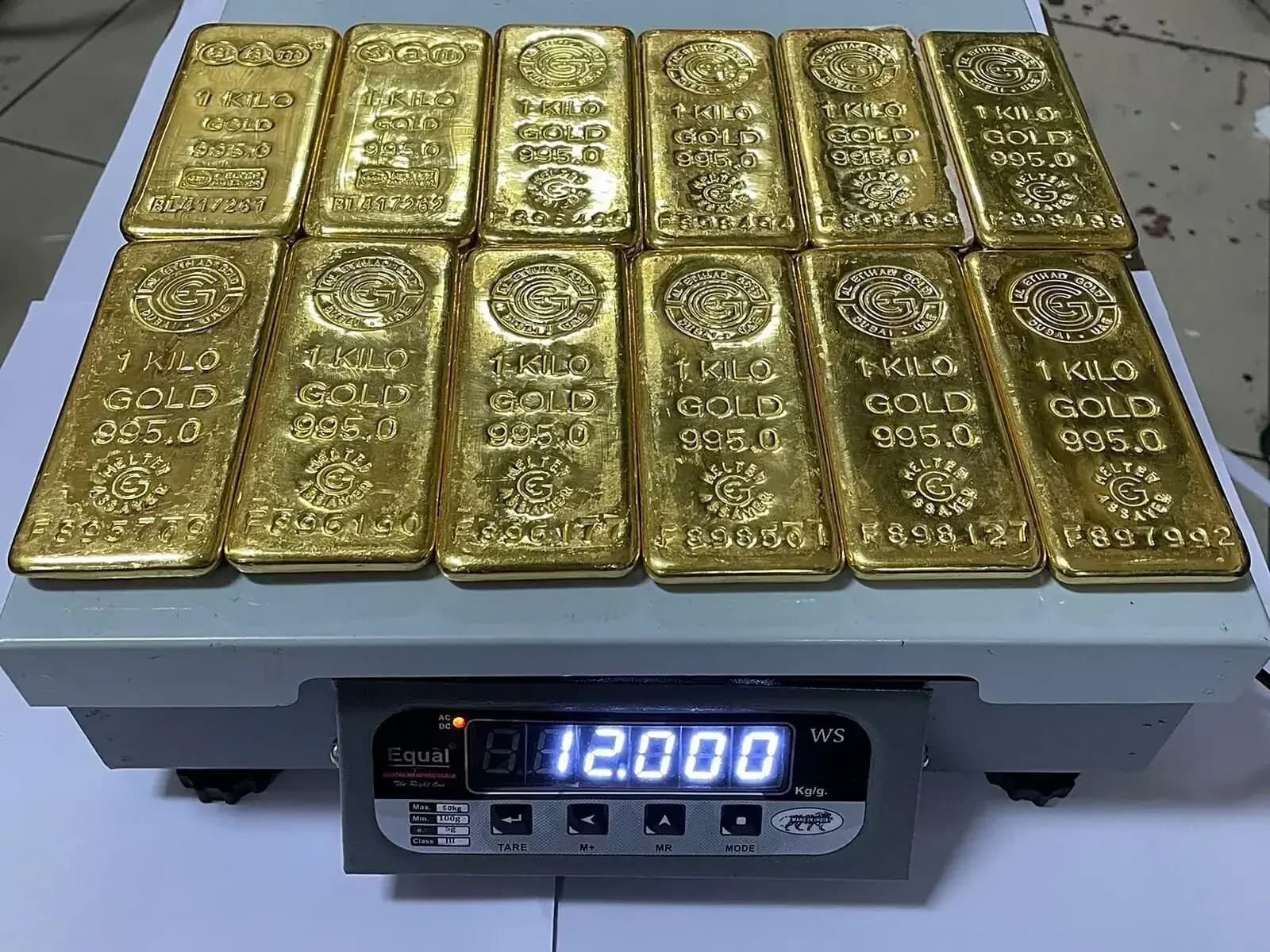
Indian households have between 11-16% of all the gold ever mined above ground, more than the combined national reserves of the United States, Germany, Italy and Russia, according to a report by InCred Money. The digital investment platform noted that one in every three Indian households voluntarily holds gold as a long-term store of wealth. As per Punjab National Bank, Indian households hold approximately 34,600 tonnes of gold, which is more than the 34,000 tonnes held by the world's largest gold-holding nations combined. India's private gold stock at its peak was estimated to exceed 100% of the country's gross domestic product, highlighting the nation's significant role in global gold ownership. The report emphasizes that this represents a multigenerational conviction, built through inflation cycles, currency crises, and geopolitical shocks, making gold India's 'original alternative asset'.

Gold ETF schemes have delivered impressive returns with average one-year returns ranging from 58.81% to 62.85%, while five-year CAGR returns range from 25.78% to 26.11%, as reported by InCred Money. In 2025, domestic gold prices rose by more than 76%, outperforming benchmarks such as the Nifty and the S&P 500. Domestic silver prices surged by over 170% during the same period, demonstrating strong precious metals performance across both commodities. Recent price swings after the nomination of Kevin Warsh as US Federal Reserve Chair are viewed as short-term corrections with structural demand continuing to persist in the precious metals market.
The 90% rally between March 2025 and March 2026 was attributed to sustained central-bank buying of over 1,000 tonnes annually since 2022 and policy moves such as the freezing of $300 billion of Russia's foreign exchange reserves in 2022, according to InCred Money. The Reserve Bank of India has repatriated gold reserves from London, while China's 2025 mandate for its largest insurers to allocate up to 1% of assets into physical gold could redirect $45-53 billion, or roughly 630-750 tonnes, over three years, effectively 15-20% of all newly mined gold annually. These policy moves prove the risks involved in dollar-denominated assets and demonstrate growing institutional confidence in physical gold as a store of value.
While gold serves as India's 'original alternative asset' built through inflation cycles, currency crises, and geopolitical shocks, financial experts highlight its limitations as a standalone investment strategy. As noted by multiple financial professionals on LinkedIn, a large portion of household wealth sits in an asset that doesn't generate cash flow and isn't always financially productive. The real question emerges about whether gold should remain a 'safe' asset or become a 'productive' asset in Indian portfolios. The consensus suggests that while gold works well as stability and insurance in portfolios, it becomes inefficient when it replaces growth assets, emphasizing the need for strategic allocation rather than emotional holding.