Indian oil marketing companies (OMCs) were largely protected from the West Asia conflict's impact on crude oil prices in March, according to data accessed by Business Standard and interviews with refining officials. While global crude oil benchmarks increased by more than 60% in March following the US and Israeli attack on Iran on February 28, Indian OMCs secured crude oil supplies at costs well below breakeven levels. The average cost of crude oil procurement remained relatively unchanged in March in dollar terms from a year earlier and was only marginally higher than February levels, as reported by Business Standard.
Indian importers led by Indian Oil, Bharat Petroleum and Reliance Industries paid an average of $77 per barrel for various crude oil grades in March, compared to $76 a year earlier on a delivered basis after including freight and insurance, according to calculations based on Indian Customs data. As reported by Business Standard, OMCs had concluded supply contracts before the war began, which protected them from the price surge. On a rupee basis, March crude oil imports were about 7% higher, with refiners paying ₹92.7 to a dollar this March compared to ₹86.6 a year earlier.
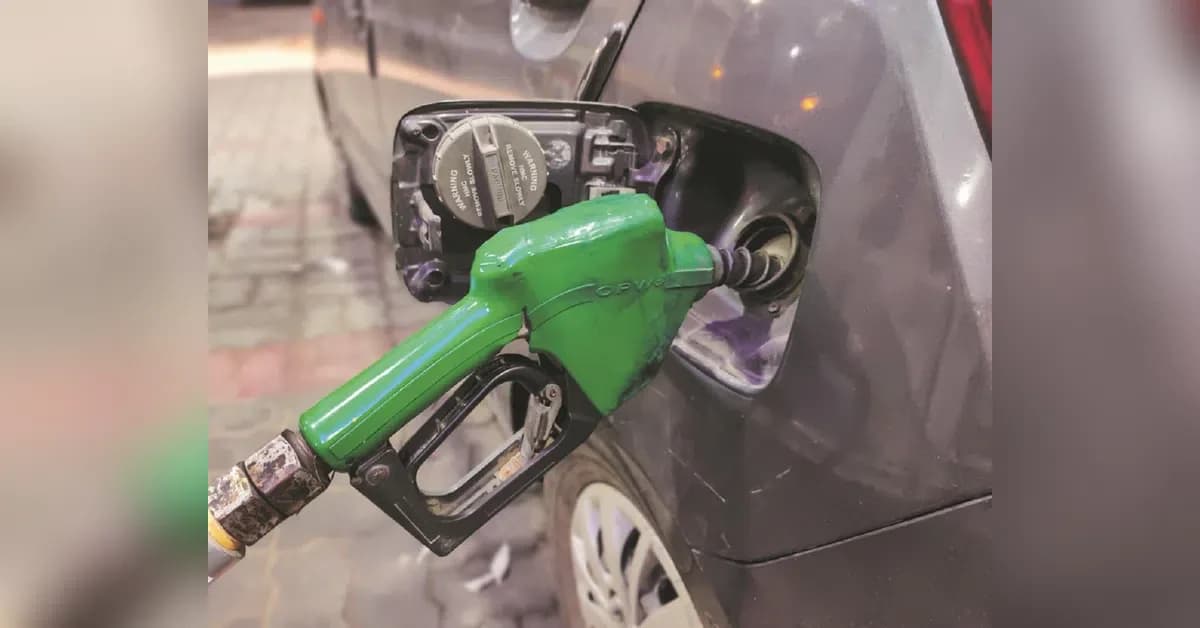
India has raised regular fuel prices for the first time in four years following the Iran war impact, marking a historic shift in the country's fuel pricing policy. Oil marketing companies increased retail prices of petrol and diesel by a minimum of ₹2.83 per litre and that of CNG by ₹2 per kilogram. The hikes are sharpest in Kolkata and Mumbai - from ₹3.11 per litre of diesel in Mumbai to ₹3.29 per litre of petrol in Kolkata, while prices were hiked by an even ₹3 per litre for both in Delhi. According to NDTV Profit, every 50 paise increase in per litre margins lifts profits by 7-11%, depending on the OMC. However, the increases still leave each company in the red, with OMCs absorbing the shock of the Iran war and facing compounded losses if fighting is prolonged.
Despite the recent price hike, oil companies continue facing significant challenges. According to Dam Capital, current under-recoveries on petrol/diesel are ₹16 per litre, which would reduce to ₹13.5 per litre post VAT adjustment after the price increase. Icra estimates that at crude prices of $105-110 per barrel, OMCs incur losses of about ₹500 crore daily on auto fuels and domestic LPG sales, even after factoring the fuel price hike. At higher crude prices of $120-125 per barrel, daily losses could reach ₹1,000 crore. The war has added lakhs to OMCs' costs from increased crude prices to higher risk premiums and charter rates, with cumulative losses of ₹1.2 lakh crore predicted for Q1 FY27. As per Crisil, the government's excise duty relief and latest price increase have narrowed under-recoveries to about ₹10 per litre on petrol and ₹13 on diesel, though cumulative losses since the start of the conflict are expected to exceed ₹1 lakh crore by the end of May.
The fuel price hike will have some impact on inflation, with India's retail inflation rising to 3.48% in April 2026 from 3.40% in March, while wholesale price inflation surged to 8.3%, a 42-month high. Petrol and diesel do not have standalone categories in the CPI basket but are captured under broader transport and communication components. Madhavi Arora, chief economist at Emkay Global Financial Services, said the direct impact of higher fuel prices would be muted at about 15 basis points on consumer price inflation, although the indirect impact will be larger. She noted that the hikes are not enough but could be the start of multiple staggered hikes. Icra's Prashant Vasisht noted that the modest increase was insufficient to restore profitability for OMCs if crude prices remain elevated. Industry officials indicated that India has accumulated crude oil stocks at low prices, with the country holding about 60 days of crude and product stocks, as stated by Oil Minister Hardeep Singh Puri. The Hormuz stalemate, which ships nearly 40% of India's oil needs, has finally put enough pressure on the country's fuel ecosystem to push prices up for the first time in over four years.