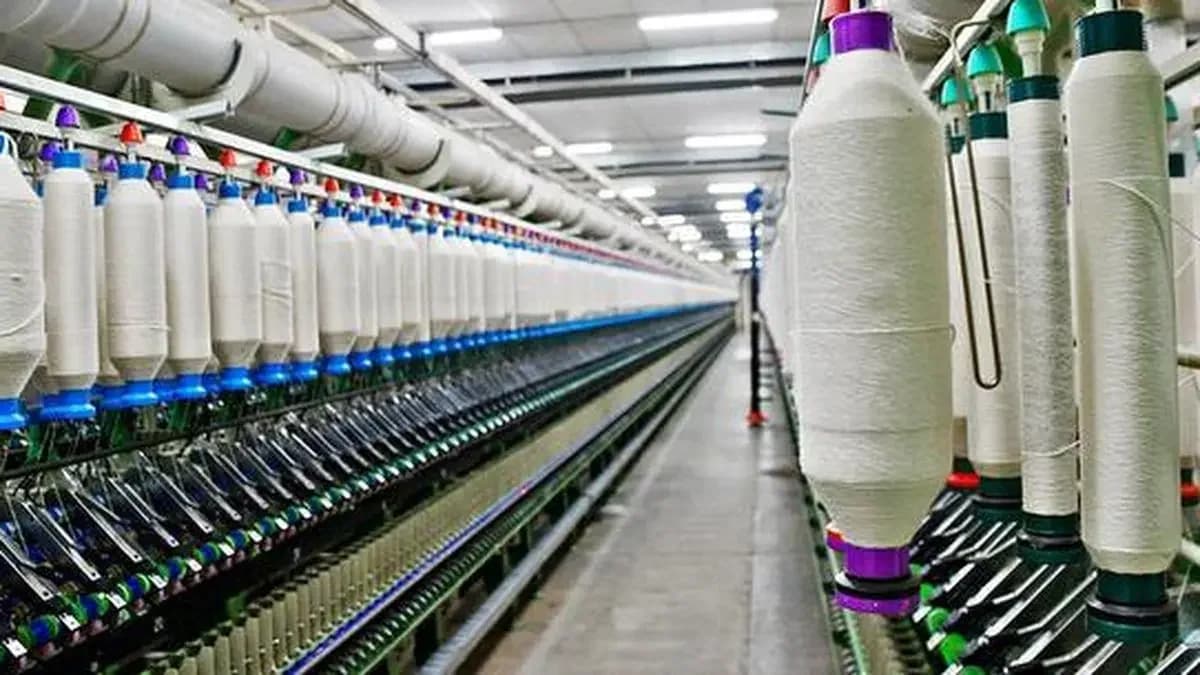
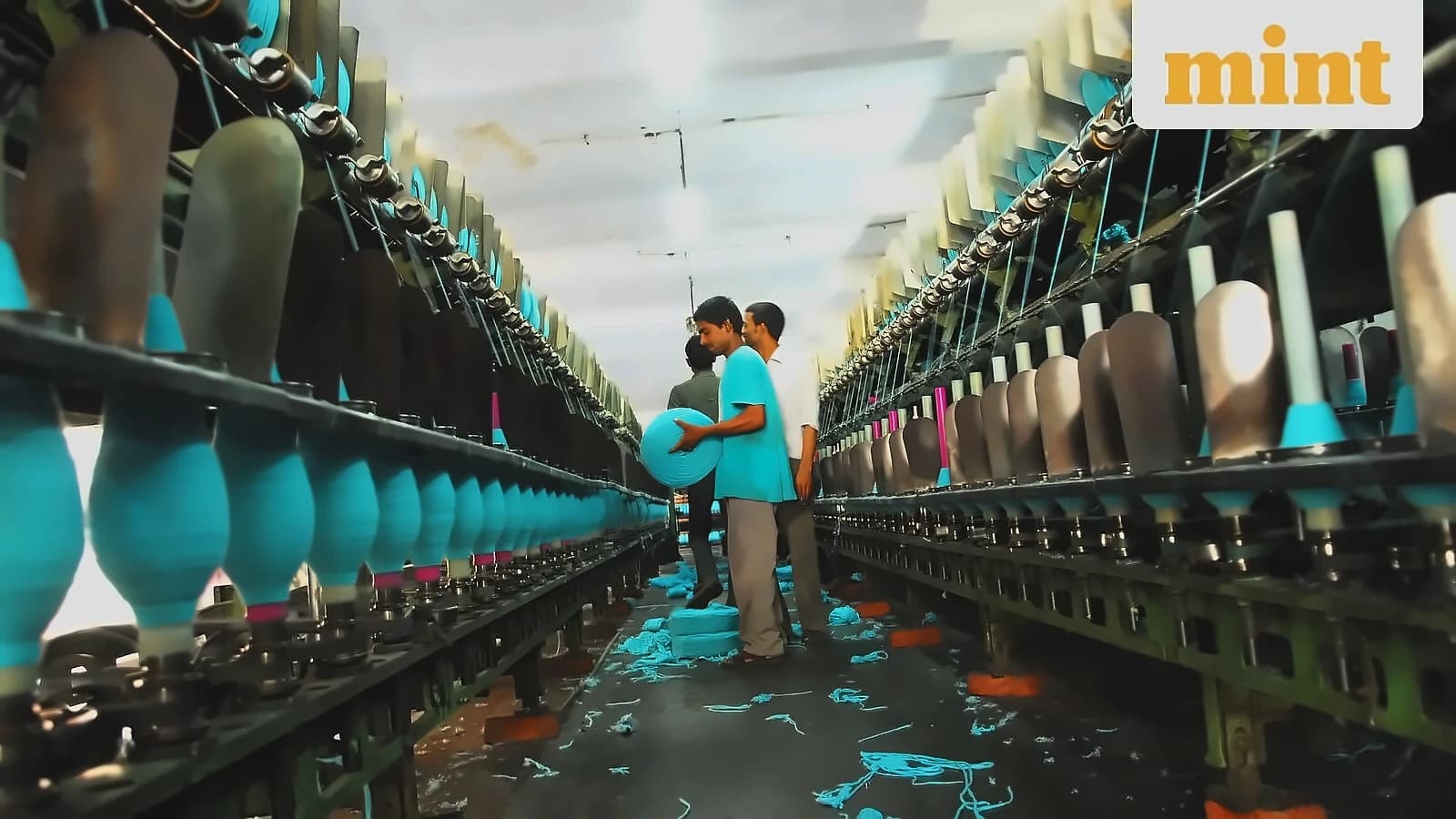
Indian cotton yarn exports to China have experienced a dramatic revival, with shipments reaching $460 million in FY2025-26, more than double from $217 million a year earlier, representing an 112% increase. According to USDA assessments, India's share of Chinese yarn imports has tripled from 7% to 21% during the first 10 months of the marketing year. This recovery comes after Indian spinners struggled to compete due to higher raw cotton costs, weaker yarn realisations and subdued downstream demand. The sharp reversal signals that price arbitrage is once again influencing sourcing decisions among Chinese fabric and garment manufacturers, with China becoming an important buffer for Indian spinning mills amid weaker demand in several other export markets.
Cotton yarn prices have declined further in South India, with Tiruppur prices dropping ₹- per kg and Mumbai easing ₹- per kg amid slow local demand and reduced fabric production. According to Fibre2Fashion, weak downstream demand, payment constraints and falling cotton prices have kept buyers cautious about fresh purchases. A trader from the Tiruppur market explained that several factors are impacting demand for cotton yarn, with falling cotton prices discouraging buyers who expected lower yarn prices. Slow payments have caused a piling up of cotton yarn stocks with traders, stockists and mills, creating additional pressure on market prices.
The domestic cotton market faces continued pressure from easing global prices, with ICE Futures declining 10 cents from 93 cents per pound to 83 cents per pound. As reported by The Hindu BusinessLine, this global price movement is influencing domestic cotton prices, creating a challenging environment for buyers. The yarn market slowdown is contributing to subdued demand, as yarn export demand remains weak due to the link between yarn prices and ICE Futures. Raw cotton prices are currently ruling above minimum support price levels, supported by higher seed prices, but buyers remain cautious about market entry.
India's large spinning base offers significant capacity to support the China recovery, with the sector operating over 50 million spindles and around 750,000 open-end rotors, producing over 3,400 million kg of cotton yarn annually. Mills are strategically adjusting products towards premium combed and compact yarns, organic-certified cotton and other value-added categories. Initiatives such as Kasturi Cotton Bharat are aimed at strengthening the identity, quality assurance and traceability of Indian cotton. The current year 2026-27 is expected to further boost Indian cotton yarn demand in China, with Indian cotton consumption expected to remain above 26 million bales.
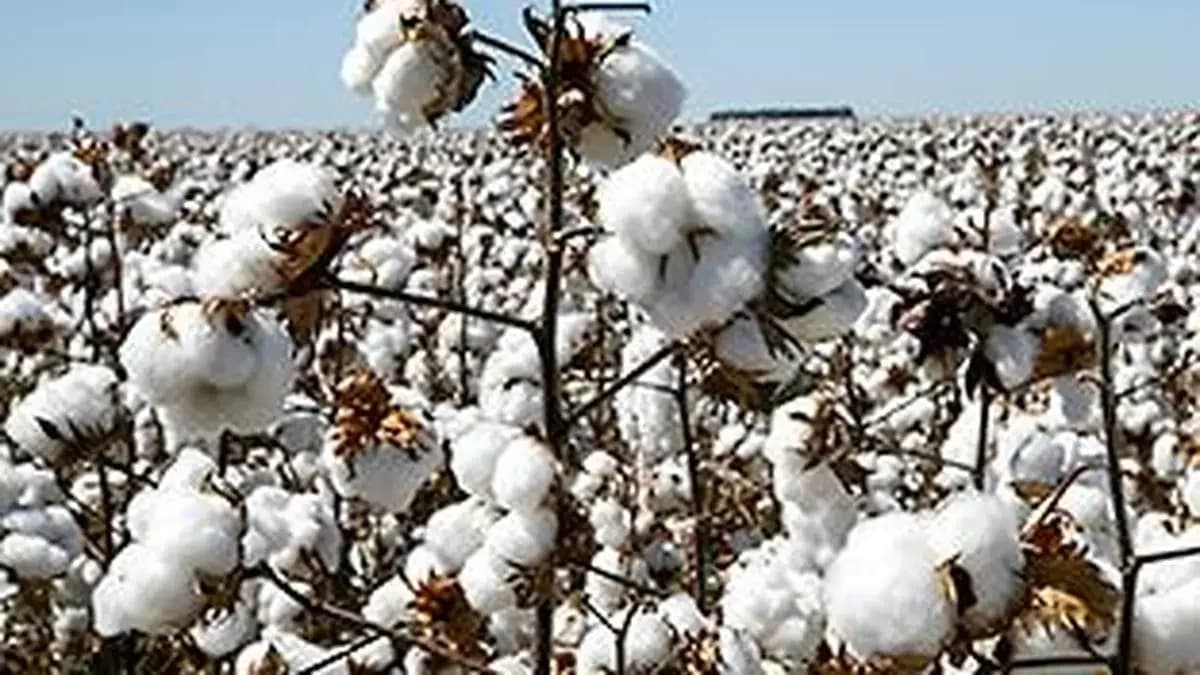
Despite the China recovery, India's overall cotton yarn exports fell around 2% to $2.857 billion in FY2025-26 from $2.915 billion in the previous fiscal year. However, China's contribution to India's total yarn exports has increased significantly, reaching 13.51% and expanding by approximately 6.1 percentage points. Competition remains intense, with Vietnam continuing to command significant volumes in China's blended and open-end yarn segments, while Indian exporters have found stronger traction in carded yarns in the 8s-25s range and combed single yarns in the 25s-47s range. The competitive equation is being reshaped by stringent traceability expectations from global brands, creating opportunities for Indian suppliers offering certified, traceable and value-added yarns.