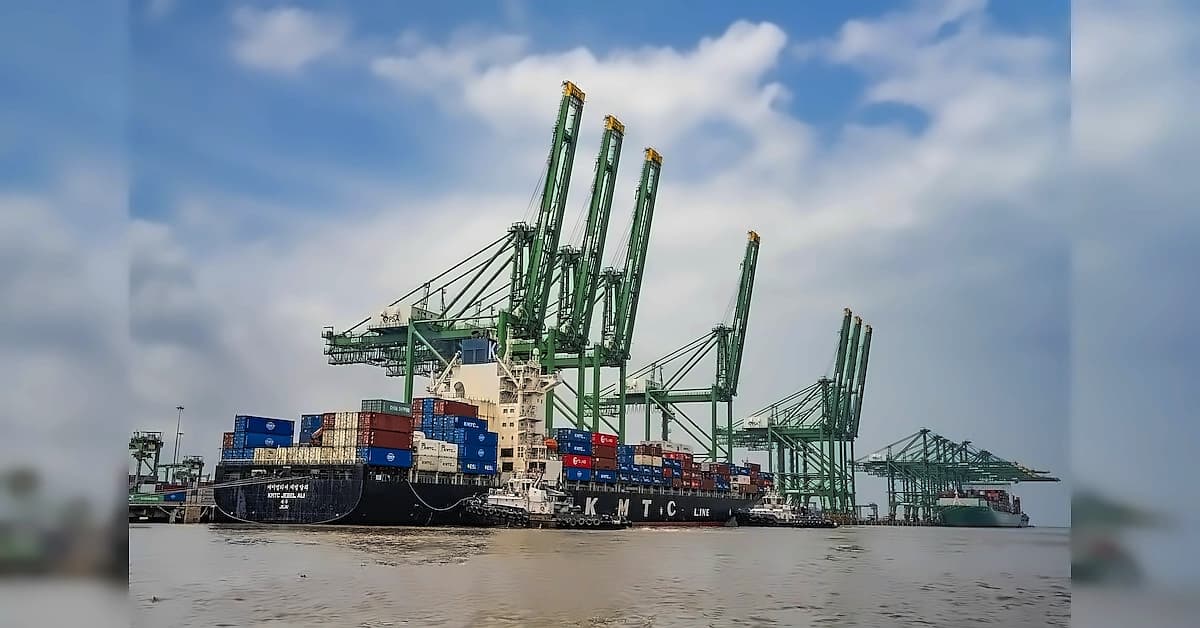
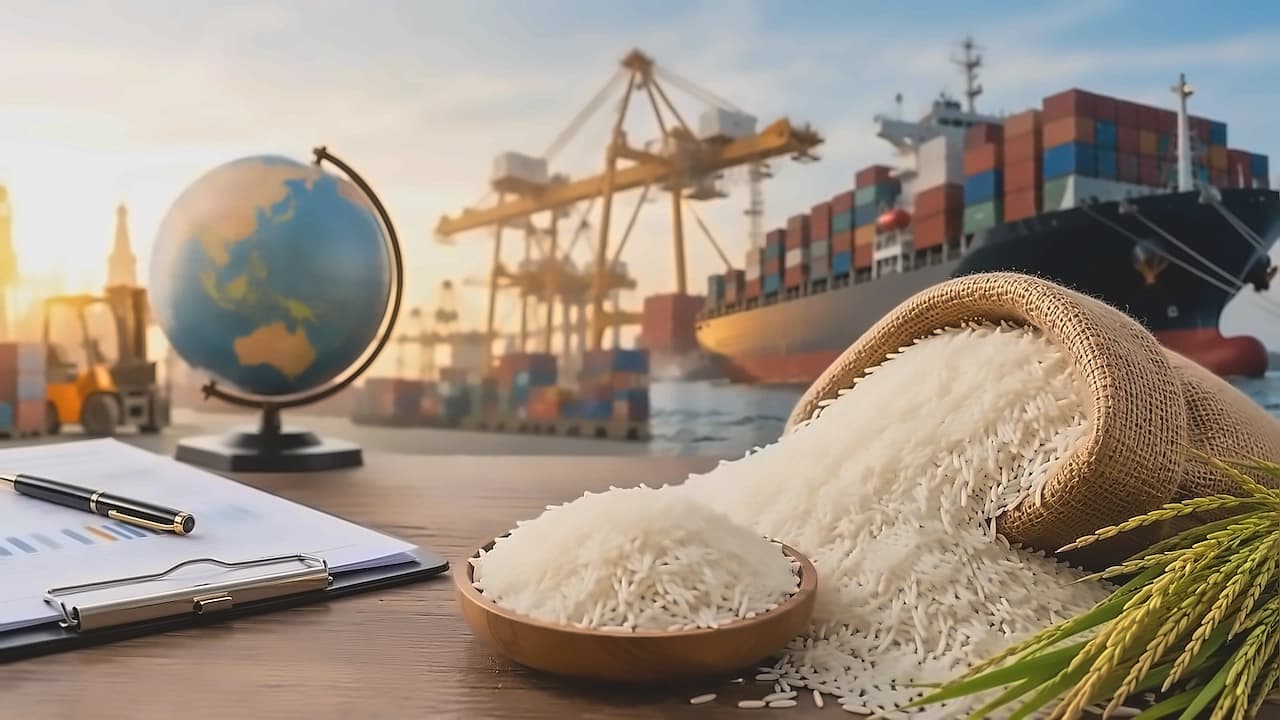
India is considering imposing export duties of around 20 per cent on certain rice varieties to improve domestic availability and contain price increases faced by consumers and industries, according to reports from Reuters. The proposed measures could apply particularly to 100 per cent broken rice and some premium non-Basmati varieties that have become scarce in southern states. A government official told Reuters that the Centre was considering steps to limit shipments and support domestic industries affected by rising prices.
The government is discussing the restrictions with relevant ministries, with a final decision expected after consultations, as reported by Reuters. A government source indicated that the Centre was considering measures to limit exports and support the domestic industry. The proposed curbs represent a strategic approach to address domestic supply constraints and support local industries facing price pressures.
The poultry and cattle feed industries have been among the worst affected by the sharp increase in broken rice prices and have urged the government to restrict exports, according to another government official cited by Reuters. These industries rely heavily on broken rice as a key input for their feed production processes, making them particularly vulnerable to price volatility in the rice market.
The proposed export restrictions come as rice reserves are at record high levels, providing the government with additional flexibility to implement supply management measures. According to Reuters, the government's consideration of these measures reflects broader concerns about domestic price stability and industrial competitiveness in the rice sector. Meanwhile, rice continued to be the largest agricultural export category, with shipments rising 4.63% to $6.81 billion from $6.51 billion during April-October 2026, as reported by Money Control.
India's agricultural exports showed mixed performance during April-October 2026, with total agricultural exports increasing 7.67% to $27.88 billion compared to $25.90 billion in the previous year, according to Money Control. While rice exports grew modestly, other cereals registered exceptional growth of 109.74%, with exports reaching $321.24 million against $153.17 million in the corresponding period. The performance was considerably slower than the 21.96% growth in overall merchandise exports during the same period, highlighting the sector's specific challenges.