
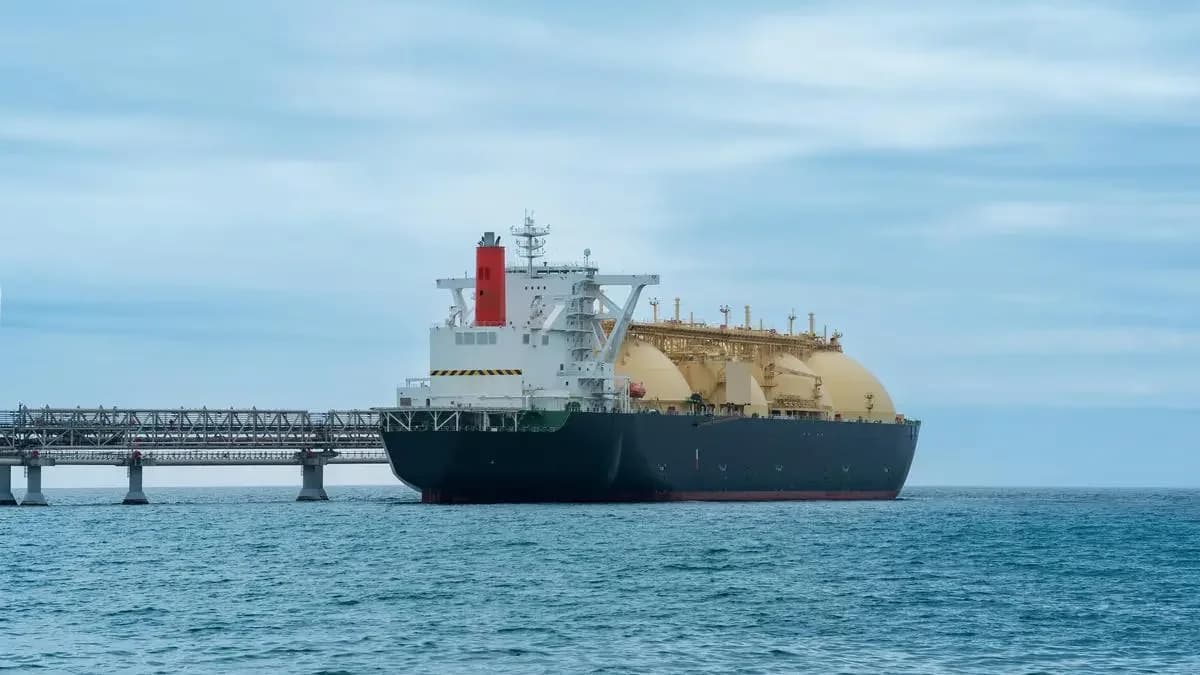
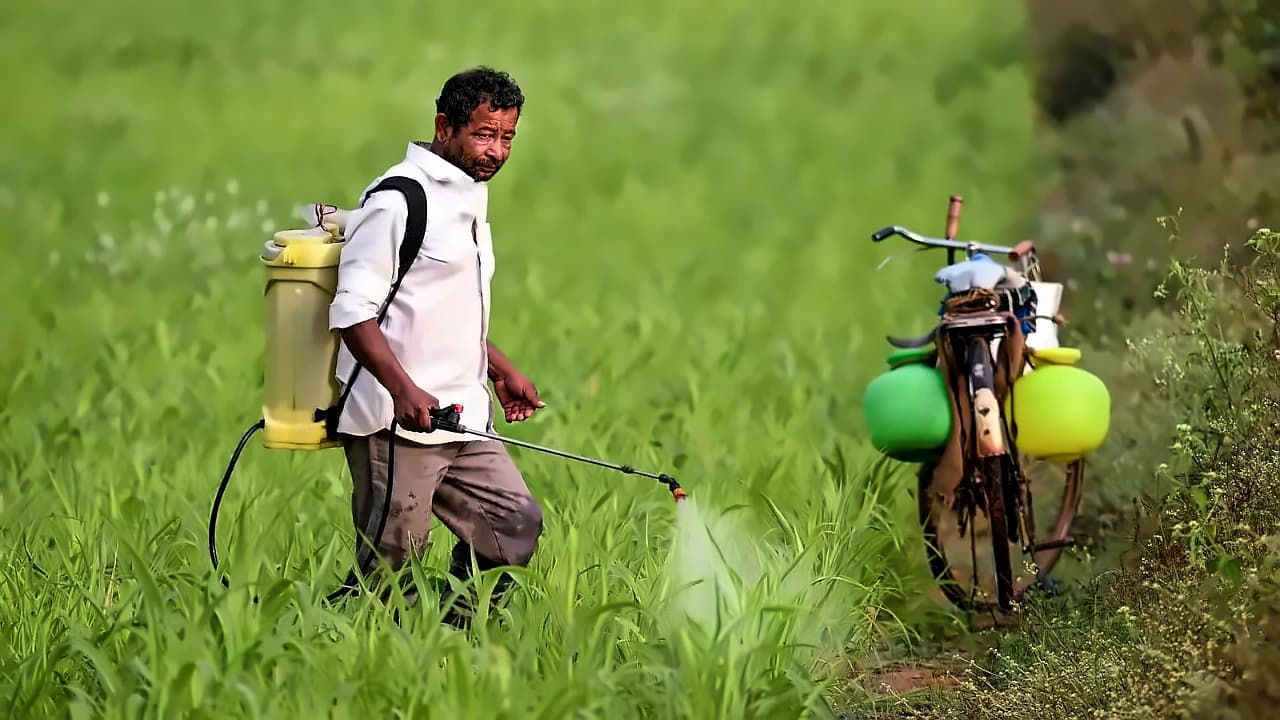

The Centre has successfully restored 97% of natural gas requirements for fertiliser units through aggressive spot buying, marking a significant improvement from 65% at the start of the West Asia crisis, according to senior officials. This strategic intervention has ensured continued operations of fertiliser manufacturing units despite global supply disruptions affecting the Strait of Hormuz region.
Through strategic global tendering outside the Strait of Hormuz, India has successfully secured 2.5 million tonnes of urea to meet peak kharif demand requirements. The government has also secured additional fertiliser supplies including 1.35 million tonnes of DAP and 0.7 million tonnes of NPK, which are scheduled to arrive at Indian ports in May and June respectively, as reported by officials.
To further boost fertiliser supplies, Indian fertiliser companies have issued aggregated global tenders for 0.4 million tonnes of Triple Super Phosphate (TSP), 0.3 million tonnes of ammonium sulphate, 0.53 million tonnes of ammonia, and 0.59 million tonnes of sulphur. These multi-pronged interventions have enabled unprecedented advance pre-season stocking capabilities.
The total combined fertiliser requirement for the kharif 2026 season is assessed at 39 million tonnes, against which 18 million tonnes, or 46% of projected demand, was already available as opening stock on April 1, 2026. In Uttar Pradesh, a major agricultural state, urea availability stands at 1.87 million tonnes against a pro-rata requirement of 0.76 million tonnes, while DAP availability is 0.62 million tonnes against a requirement of 0.15 million tonnes.
Between February and April 2026, 1.49 million tonnes of urea was supplied to Uttar Pradesh against a requirement of 1.15 million tonnes, demonstrating effective supply chain management during the crisis period. This substantial oversupply position provides crucial buffer capacity for the upcoming agricultural season.