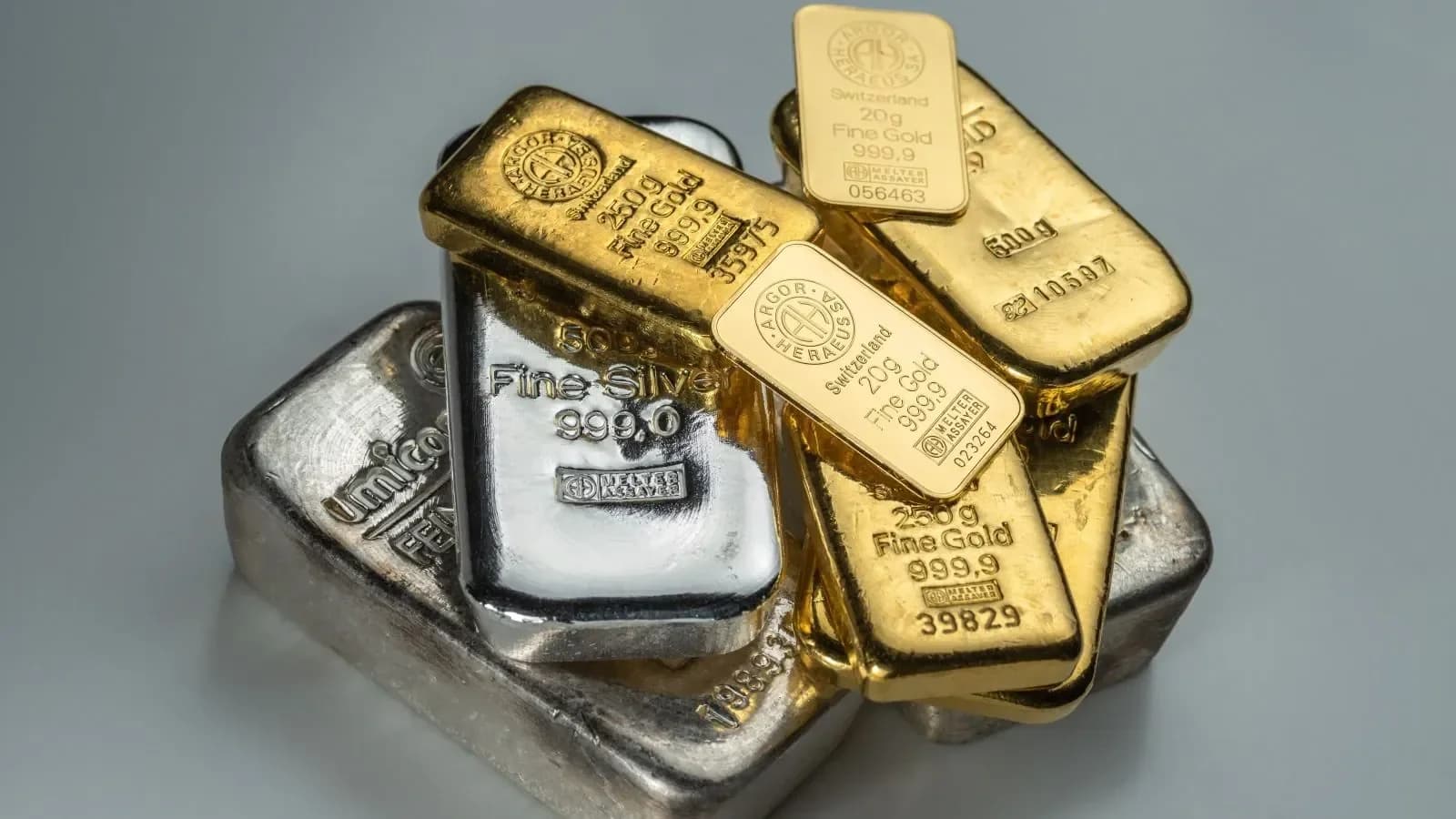
Prime Minister Narendra Modi's recent appeal to citizens to voluntarily reduce gold consumption for one year, followed by the government's decision to raise customs duty on gold from 6% to 15%, has sparked debate across economic and investment circles. The move comes against the backdrop of the ongoing West Asia crisis, which has heightened concerns around oil prices, external balances and currency stability. According to reports from The Economic Times, the revised duty structure includes a 10% basic customs duty along with a 5% Agriculture Infrastructure and Development Cess (AIDC), significantly raising the cost of importing precious metals into the country. India is the world's second-largest consumer of gold, with nearly 90% of its demand met through imports, making bullion a major contributor to the trade deficit and current account pressures. The policy reflects concerns over India's widening current account deficit (CAD), which has been driven primarily by elevated crude oil prices and gold imports. As per Bloomberg, the Central Board of Indirect Taxes and Customs (CBIC) has now revised tariff values for key imported commodities, with gold assigned a tariff value of $1,508 per 10 grams and silver carrying a tariff value of $2,810 per kilogram. The government has also extended this duty hike to platinum imports, bringing the total impact across all precious metals. However, recent DRI data shows a sharp increase in smuggling cases and seizures in recent years, with smugglers using new routes and techniques to avoid detection, as reported by NDTV.
India's current account deficit (CAD) has widened considerably, driven primarily by two major imports - crude oil and gold. As reported by The Economic Times, elevated crude oil prices, fuelled by ongoing geopolitical tensions in West Asia, have placed significant downward pressure on the rupee. A rising CAD not only weakens the currency but also increases borrowing costs, reduces investor confidence, and heightens vulnerability to external shocks. In FY26, gold imports surged to nearly $72 billion, despite lower import volumes, largely due to rising global prices. The persistent demand has prompted the Prime Minister to urge citizens to voluntarily reduce consumption, aiming to ease the burden on foreign reserves and stabilize the rupee. With global tensions notably in the Middle East impacting the economy, high gold and silver imports are draining valuable foreign exchange reserves, making the government's decision to raise import duties a necessary policy response. The government's concern stems largely from the economic fallout of the US-Iran conflict, which has disrupted global shipping routes and pushed up international energy prices, as one of the world's largest importers of crude oil and gold, India faces heightened vulnerability to rising import costs and currency depreciation.
The 15% duty hike has already reshaped India's precious metals market, with gold prices experiencing sharp rallies following the announcement. On the Multi Commodity Exchange (MCX), gold futures rose ₹6,017, or 3.94%, during the past week to settle at ₹1.58 lakh per 10 grams, while silver futures climbed ₹9,964, or 3.8%, to close at ₹2.71 lakh per kg. As reported by The Economic Times, MCX gold has surpassed ₹1,62,000 per 10 grams, while 22K gold rates are quoted at around ₹14,880–₹15,050 per gram in major cities like Mumbai and Chennai. This represents a significant increase from previous levels, making fresh jewellery purchases considerably more expensive heading into the summer wedding season. The policy shift is already reshaping how Indians buy, sell, and think about precious metals, with demand expected to shift toward lighter-weight jewellery and a rise in the exchange of old gold for new jewelry. Jateen Trivedi from LKP Securities noted that "Gold traded with a strong positive undertone last week, gaining nearly 4% on MCX and closing around ₹1,58,000. However, the rally was largely influenced by the recent 6% import duty hike, which significantly lifted domestic prices despite weakness in international markets." The move is expected to dampen demand for gold and silver, particularly at a time when prices are already elevated, though it is also likely to support the rupee, which has been among Asia's weaker-performing currencies in recent months.
India has witnessed this cycle repeatedly - whenever import duties on gold were raised sharply, smuggling surged, undermining official trade channels and eroding government revenue. As reported by The Economic Times, this prompted policymakers to reduce the duty to 6% last year in an effort to narrow the price gap and discourage illegal inflows. With the latest hike back to 15%, the risk of illicit imports is once again elevated. Industry stakeholders have raised concerns over potential unintended consequences, noting that higher import duties could revive smuggling activities, which had declined after duties were reduced in 2024, and may disrupt formal supply chains. The increased tax differential might encourage illegal inflows, reducing the market share of organized players - a concern prominently noted by the India Bullion and Jewellers Association (IBJA). However, Jateen Trivedi from LKP Securities provides a different perspective, stating that "The silver import restriction doesn't mean India has shut the door; it means the entry is now guarded. Supply isn't stopping, it's being channelled only through nominated agencies like RBI banks, DGFT-approved entities, jewellers via the bullion exchange." He adds that "Two policy moves in three days point to forex management. Restricting silver imports eases immediate dollar outflow and reduces pressure on reserves."
Raising customs duty on gold to 15% is unlikely to achieve the government's objectives in isolation, according to The Economic Times. While it may temporarily reduce official imports, the widened price gap between domestic and international markets encourages smuggling and unofficial trade. The revised gold and silver import duty represents more than just a tax headline - it's a signal that India is bracing for tougher economic weather ahead. For buyers, this may be the new normal, while for investors, it redefines the entry point. Jewellery stocks, including major retailers like Titan and Kalyan, have experienced increased volatility and immediate downward pressure following the announcement. However, analysts note that rising investor interest in gold—reflected in strong inflows into gold exchange-traded funds—could offset some of the demand slowdown expected from higher duties. Instead of relying solely on import restrictions, the government could pursue alternative strategies including expanding and simplifying the Gold Monetization Scheme to unlock idle gold reserves held by households and temples. Establishing a Gold Bank could provide a centralized platform for importers, improve transparency, and reduce dependence on physical imports.