Gold prices in India surged significantly on May 13, 2026, with 24K gold in the National Capital jumping by ₹13,910 per 10 grams to ₹1,68,040 per 10 grams, according to The Financial Express. This represents a 0.85% daily gain following the government's decision to double import duties on precious metals from 6% to 15%. The revised structure includes a 10% basic customs duty and a 5% Agriculture Infrastructure and Development Cess (AIDC). As per The Economic Times, in the retail market, gold jumped by as much as ₹14,000 per 10 grams to over ₹1.68 lakh, while silver recorded an increase of ₹20,000 per kg, surging past ₹3 lakh levels. MCX gold June futures had previously surged ₹9,723 or 6.34% to ₹1,63,165 per 10 grams following the duty hike announcement, with business transactions of 9,344 lots. However, current domestic markets are trending sideways as traders face selling pressure over the recently implemented import duty increase. The price action following the latest hike has been strikingly different, with spot gold rates surging from ₹1,51,783 on May 12 to ₹1,62,840 by May 14, indicating a strong upward reaction to the duty increase combined with global risk factors.
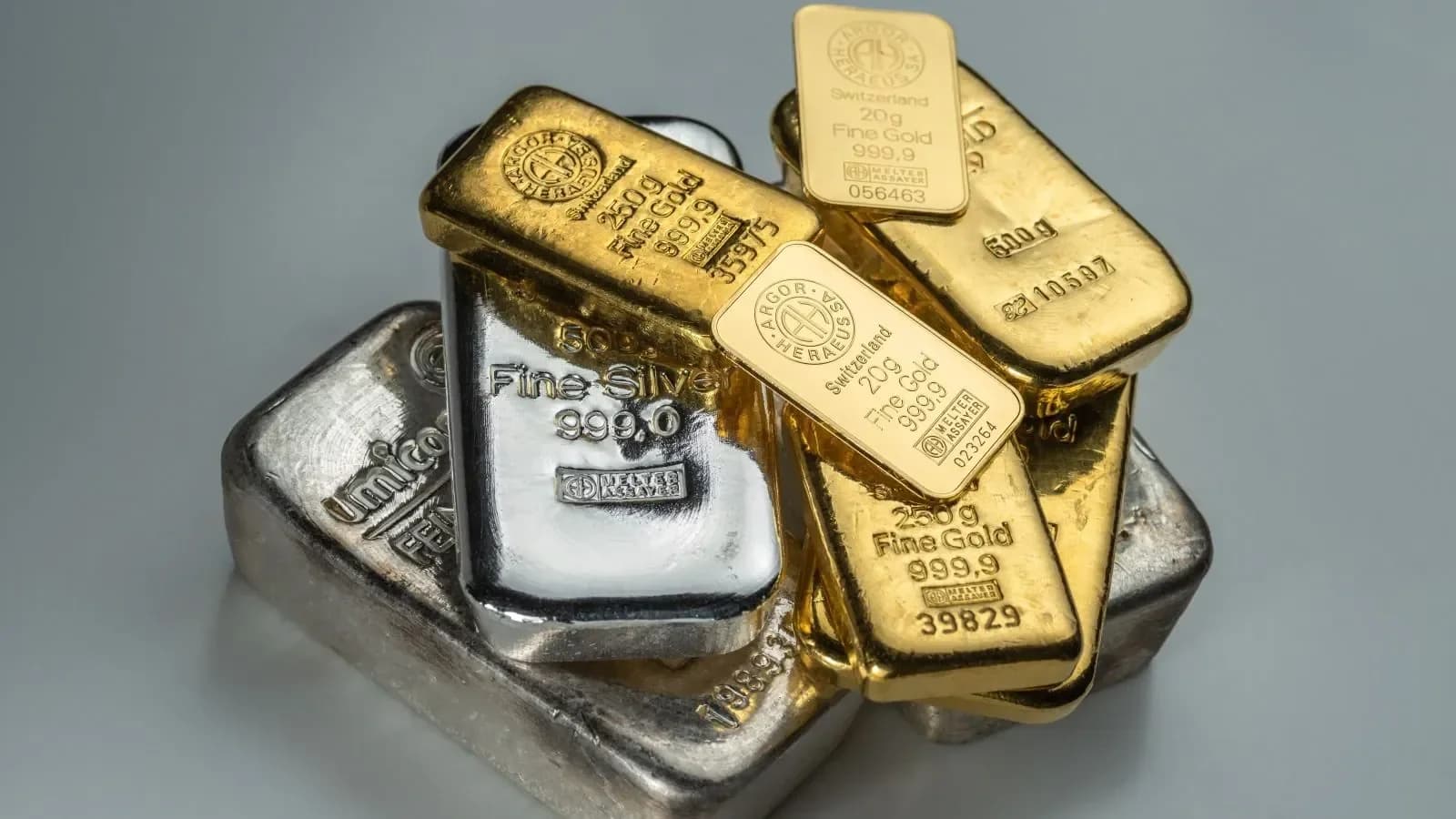
The duty hike is projected to deliver significant fiscal benefits, with economists estimating potential savings of ₹24,000 crore ($2.5 billion) in import bills. According to The Hindu BusinessLine, the cumulative 9% duty increase could reduce gold demand by 50-60 tonnes, translating into lower imports worth approximately $6-9 billion at current international prices. Debopam Chaudhuri, Chief Economist at Piramal Group, noted that every 1% increase in retail gold prices can potentially reduce year-on-year growth in gold imports by at least 40 basis points. With India importing 700-800 tonnes of gold annually, the duty hike brings custom duties back to their highest level in 14 years, after being as low as 2% between 2012 and 2026. However, economists warn that potential smuggling could dilute these fiscal gains, as the duty hike may encourage unofficial gold inflows through smuggling channels. Industry officials have expressed concerns, with Surendra Mehta, national secretary at the India Bullion and Jewellers Association, noting that while the government has raised duties to curb the current account deficit, this could affect demand as gold and silver prices were already elevated.
A new SBI Research report predicts that the latest duty hike could significantly impact domestic gold markets through increased grey market activity. According to The Hindu BusinessLine, the report notes that higher import duties tend to raise the landed cost of gold, which can influence domestic prices. The research highlights that changes in gold import duty have been made several times in the past, and each instance has had an impact on market behaviour. SBI Research warns that the decision to increase duty on gold imports has been taken on numerous occasions in the past, however, imposition of duty has its consequences in diverting the physical supply to grey channels. The report adds that past periods of higher duty have been linked with an increase in seizures by the Directorate of Revenue Intelligence (DRI), based on monthly data. Gold imports do not show a fixed pattern of impact on the Current Account Deficit, with the most significant effect seen in FY12 and FY13 in terms of GDP, though recent trends suggest gold may once again play a notable role in CAD calculations.
SBI Research indicates that gold import volumes have already been on a declining trend for the past two years and may continue to adjust further, though the scale of decline remains uncertain. The report highlights that not all imported gold stays within the domestic market, as around 38% of imported gold is re-exported as jewellery, which reduces its direct impact on domestic consumption and the external account. According to The Economic Times, Suvankar Sen, MD and CEO of Senco Gold and Diamonds, noted that domestic gold pricing is linked to replacement cost rather than only the historical cost of existing inventory. Since nearly all of India's gold demand and around 80% of its silver demand are met through imports, the latest hike in import duty will increase the tax burden on importers, raising the landed bullion prices for banks, bullion dealers, and jewellers. The extent and timing of retail price increases can vary depending on factors such as existing inventory levels, hedging positions, international gold prices and rupee-dollar movement.
According to the latest reports from The Hindu, the revised duty structure includes a 10% basic customs duty and a 5% Agriculture Infrastructure and Development Cess (AIDC). The Finance Ministry, in a notification, hiked the social welfare surcharge (SWS) and the agriculture infrastructure and development cess (AIDC), effective May 13. Jewellery findings will attract 5% customs duty for gold and silver, while platinum findings will be charged with 5.4%. The levy on platinum has been increased from 6.4% to 15.4%. The Centre has hiked the import tariffs on both gold and silver in a bid to curb the country's import bill as well as support the ailing rupee and forex reserves. The Prime Minister's appeal and the duty hike aim to mitigate the adverse effects of the rising dollar amid the Iran war. The government has characterized the import duty increase as a "preventive measure" amid "extraordinary external conditions" and a signal of prudent economic governance, reflecting India's proactive response to emerging external risks through targeted interventions. However, industry officials warn that higher import taxes could revive smuggling, which had eased after India cut tariffs in mid-2024, with grey markets likely to become active as the incentives to bring in gold illegally are high.