India should expand gold monetisation beyond traditional gold loans and develop more financial instruments linked to the precious metal to reduce dependence on gold imports and ease pressure on foreign exchange reserves, according to Shamika Ravi, Member of the Economic Advisory Council to the Prime Minister (EAC-PM). In an exclusive interview with ANI, Ravi emphasized that while gold is already being monetised through popular gold loan products, there is a need to broaden the range of financial instruments available to households. She clarified that monetisation is already happening through financial products and assured that no one is seeking to take away people's gold.
According to Ravi, gold remains deeply linked to social customs, weddings, childbirth and long-term financial security, making it more than just another asset. She explained that the popularity of gold is also linked to the limited penetration of pensions, insurance and other financial safety nets across large parts of the economy, resulting in households viewing gold as a reliable asset for emergencies or economic shocks. The Prime Minister's recent appeal to reduce excessive gold purchases is linked to concerns over India's import dependence, as reported by The Hindu BusinessLine.

Ravi highlighted the growing popularity of gold loans across the country as an example of successful gold monetisation. "In fact, if you look at the whole business model of Muthoot and Manappuram and all of these, gold loans are their flagship instrument," she said, referring to the prominent gold loan companies. She noted that many households continue to rely on gold as a store of value and safeguard against future financial uncertainty, making it essential to expand beyond traditional gold loans to other financial instruments.
Ravi spoke about India's efforts to strengthen its domestic bullion ecosystem, referencing the Reserve Bank of India's decision to bring a portion of its gold reserves back to India. She explained that there was no obvious reason to store gold abroad when it could be safely held domestically. The move was also aimed at supporting the development of the bullion market in Gujarat International Finance Tec-City (GIFT City), which is attracting interest from countries in the Middle East and Africa, as reported by The Hindu BusinessLine.
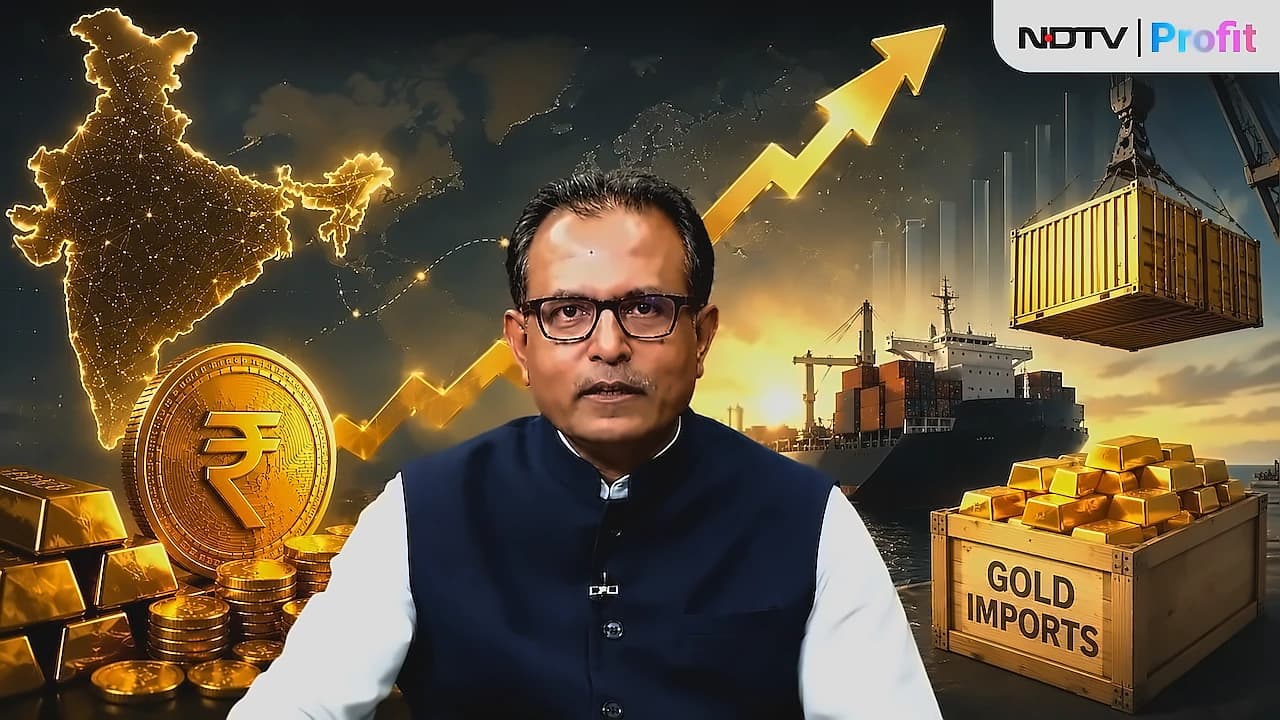
The discussion comes at a time when new market-based instruments are being introduced to formalise gold ownership and improve gold market efficiency. Recently, the National Stock Exchange (NSE) commenced live trading in Electronic Gold Receipts (EGRs), a new instrument designed to facilitate transparent and efficient gold trading. According to The Hindu BusinessLine, an Electronic Gold Receipt is a dematerialised security representing ownership of physical gold deposited with a SEBI-registered vault manager, providing direct ownership of underlying physical gold that can be converted into physical gold through a prescribed process.