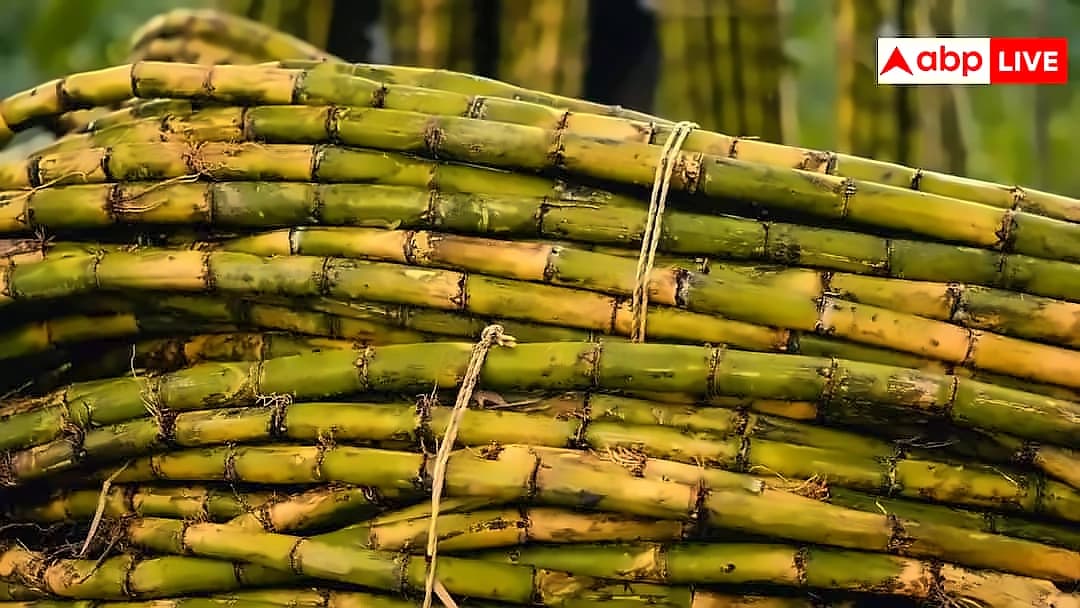
India has implemented an immediate ban on sugar exports until September 30, 2026, or until further orders, as reported by Reuters. The world's second-largest sugar producer is taking this action to control local sugar prices and support global market stability. According to the government notification, the ban applies to both raw and refined sugar exports, though shipments already in the export pipeline can proceed under specified conditions. The Directorate General of Foreign Trade (DGFT) has officially amended the export policy from 'Restricted' to 'Prohibited' status, marking a significant policy reversal from the earlier limited export approach. The decision comes as authorities try to prevent a rise in domestic sugar prices at a time when food inflation remains politically and economically sensitive for Indian households.
Of the 1.59 million metric tons of sugar approved for export, traders had signed contracts for approximately 800,000 tons, with more than 600,000 tons already shipped before the ban announcement, as reported by Reuters. The government has specified that consignments will be permitted if loading had begun before the notification publication in the Official Gazette, or where shipping bills had been filed and vessels had already berthed, arrived, or anchored at Indian ports. Shipments will also be cleared if sugar had been handed over to customs or custodians prior to the notification. However, the prohibition will not apply to sugar exports to the EU and USA under CXL and TRQ quota, the Advance Authorisation Scheme (AAS), and Government-to-Government shipments to meet food security needs of other countries.

India is expected to produce about 275 lakh tonnes of sugar in the 2025-26 season, which runs from October to September, according to NDTV Profit. Adding around 50 lakh tonnes of opening stock, total supply comes to nearly 325 lakh tonnes. Meanwhile, domestic demand is likely to reach about 280 lakh tonnes, leaving closing stocks at just 45 lakh tonnes. This represents the lowest closing stock levels since 2016-17, when stocks had dropped to around 39.4 lakh tonnes. The Indian Sugar & Bio-Energy Manufacturers Association had previously projected India's gross sugar production at 32 million tonnes in the season ending September 30, highlighting the tightening supply situation.
Forecasts that El Nino weather conditions could disrupt this year's monsoon season have raised the risk that next season's output falls below initial estimates, as reported by Reuters. This weather uncertainty adds to the production challenges facing India's sugar industry, contributing to the government's decision to implement the export ban to maintain domestic price stability. The production shortfall is expected to be the second consecutive year as cane yields weaken in major growing regions.
New York raw sugar futures extended gains to over 2% while London white sugar futures jumped 3% following India's announcement of the export ban, according to Reuters. The market response reflects investor expectations that the ban will help stabilize global sugar prices and reduce supply pressure from India's substantial export capacity. The policy shift from 'Restricted' to 'Prohibited' status represents a major change from the government's earlier strategy of allowing limited exports based on expectations of surplus production.