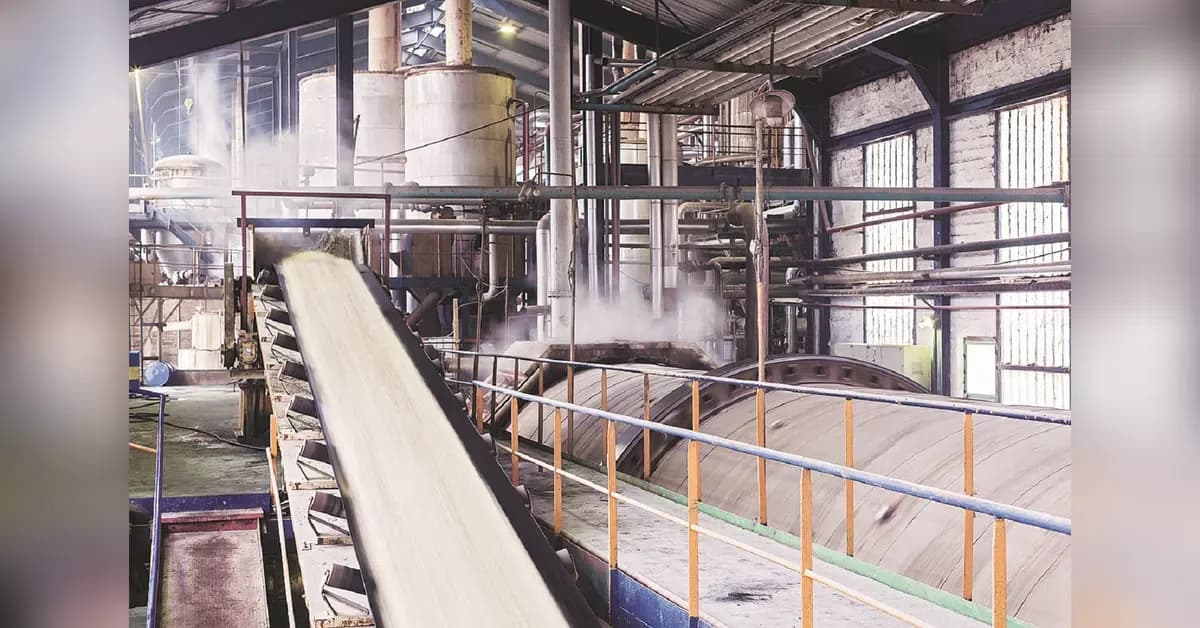
India has imposed an immediate ban on sugar exports until September 30, 2026, or until further orders, according to a government notification issued on Wednesday. The Directorate General of Foreign Trade (DGFT) has amended the export policy from Restricted to Prohibited status under Chapter 17 of the ITC (HS) classification. As reported by trade sources, export agreements had already been signed for nearly 800,000 metric tonnes of sugar, out of which more than 600,000 tonnes have reportedly been shipped before the ban took effect. The notification, dated May 13, 2026, was issued with the approval of the Minister of Commerce and Industry and signed by DGFT Director General Lav Agarwal.
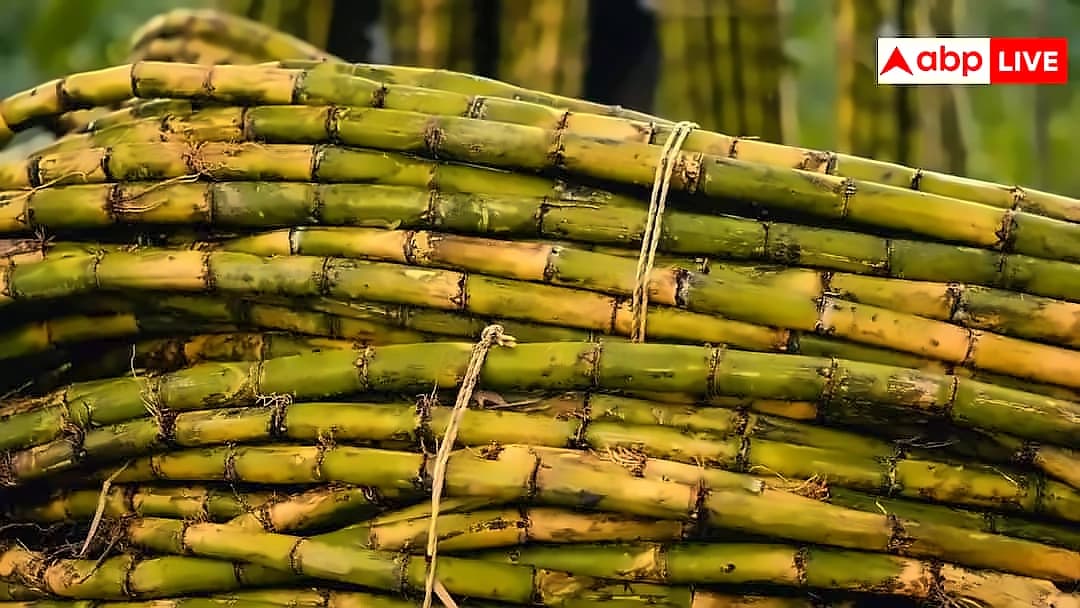
The export restriction is expected to impact global sugar markets, with analysts predicting support for both raw and white sugar prices internationally. According to reports, the move could open opportunities for other major exporters such as Brazil and Thailand to increase supplies to Asian and African markets. Following the announcement, global sugar prices surged significantly, with raw sugar futures in New York rising over 2% and London white sugar futures jumping nearly 3%. India is the world's second-largest sugar producer and among the leading exporters globally.
The ban comes as lower sugarcane yields in key producing regions have raised fears that output may fall short of consumption for the second straight year. According to reports, concerns over possible El Niño conditions affecting the upcoming monsoon season have further added to worries about future production levels. Earlier this year, the government had allowed sugar mills to export 1.59 million metric tonnes, anticipating that production would comfortably meet domestic demand. Higher prices for diesel and fertilizer, key agricultural inputs, have increased the cost of producing sugar globally, leading to reduced plantings of crops like beet and sugarcane in major producing countries.
The government has carved out several exemptions from the export ban to ensure adequate global supply. The prohibition will not apply to sugar exports to the European Union and United States under CXL and Tariff Rate Quota (TRQ) arrangements. Exports under the Advance Authorisation Scheme (AAS) will also continue under existing provisions of the Foreign Trade Policy, 2023. Additionally, the government said exports may still be allowed on the basis of permissions granted by India to other countries to meet their food security requirements and based on requests from foreign governments. Consignments already in the export pipeline are exempt, including shipments where loading had commenced before the notification, shipping bills were filed, and vessels had already berthed or anchored at Indian ports with rotation numbers allocated by port authorities.
The DGFT clarified that if the prohibition is not extended beyond September 30, 2026, the export policy for sugar under the relevant HS codes will automatically revert to 'Restricted'. The transitional arrangement provisions under Paragraph 1.05 of the Foreign Trade Policy, 2023, would not apply to this notification. India, one of the world's largest sugar producers and exporters, has previously used export controls to manage domestic supplies and contain food inflation. The latest order is expected to tighten availability in the global market while prioritising local consumption, with the government seeking to cool domestic sugar prices and ensure adequate local availability.