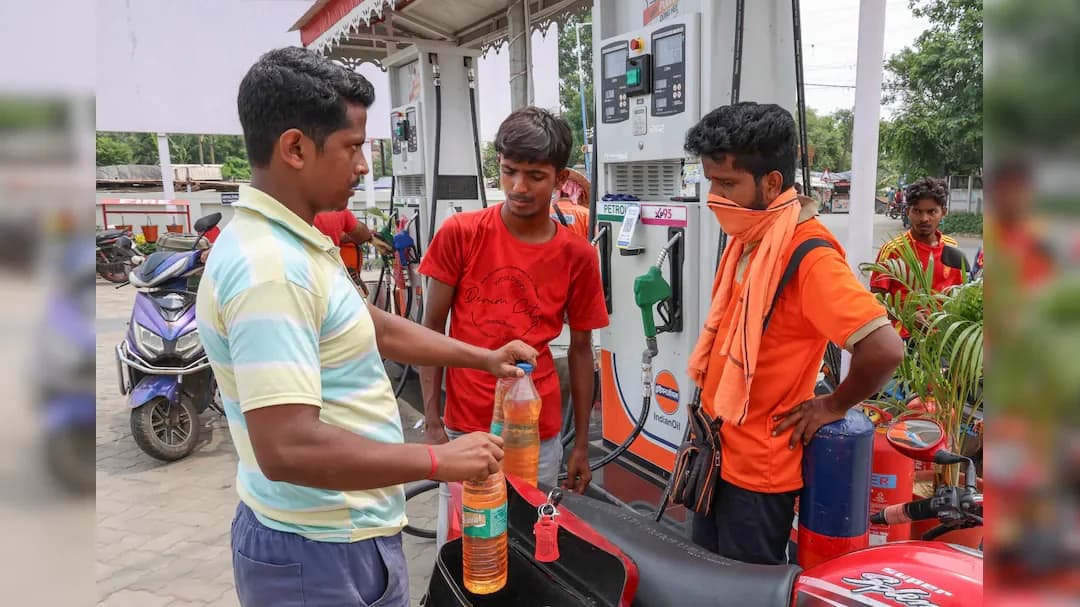
The Centre has assured that petrol, diesel and domestic LPG supplies remain stable despite ongoing West Asia conflict disruptions. According to the latest Ministry of Petroleum and Natural Gas update, the government is making all efforts to ensure availability of these fuels and has strongly advised citizens to avoid panic purchase of petrol, diesel and LPG as well as unnecessary booking of LPG. The ministry emphasized that refineries are operating at high capacity with adequate crude inventories in place and the country maintains sufficient stocks of petrol and diesel. To protect consumers from rising global oil prices, the government has reduced excise duties on petrol and diesel by ₹10 per litre.
The situation on the ground reveals significant stress in commercial LPG and Auto LPG segments across multiple states. As reported by Upstox, in Uttarakhand, dhaba owners and small eateries in Dehradun and Rishikesh reported shortages and rising prices of commercial cylinders, forcing many to switch to alternatives like wood and coal. In Rishikesh, some restaurants have reportedly shut operations due to inadequate supply, while similar disruptions have been reported in Surat, where dhaba operators said food prices have increased due to higher fuel costs. However, the latest ministry update reveals no reported dry-out at LPG distributorships and more than 51 lakh domestic LPG cylinders were delivered yesterday.

Auto LPG shortages have significantly disrupted transport services, particularly in Karnataka where long queues have been reported at dispensing stations. According to Upstox, IOCL reported that nearly 80% of private Auto LPG stations are non-operational due to geopolitical challenges. The company has increased its daily supply in Karnataka to 68.53 metric tonnes from about 43.5 MT in February, but infrastructure constraints and station closures have created supply gaps. With PSU-operated stations selling Auto LPG at lower prices than private players, the shift in demand has resulted in longer waiting times.
The Centre has implemented comprehensive measures to address supply challenges while maintaining normal fuel availability. The government has capped commercial LPG supply at about 70% of pre-crisis levels and prioritized domestic LPG, hospitals and essential services. To reduce crowds at LPG agencies, authorities have asked citizens to use digital modes for booking of LPG cylinders and avoid visiting LPG distributors unless necessary. The ministry has also strengthened monitoring systems by increasing Delivery Authentication Code (DAC)-based deliveries from 53% in February 2026 to 90% to prevent diversion of cylinders. Government monitoring has resulted in over 50,000 LPG cylinders seized and more than 1,400 show-cause notices issued to distributors since March.
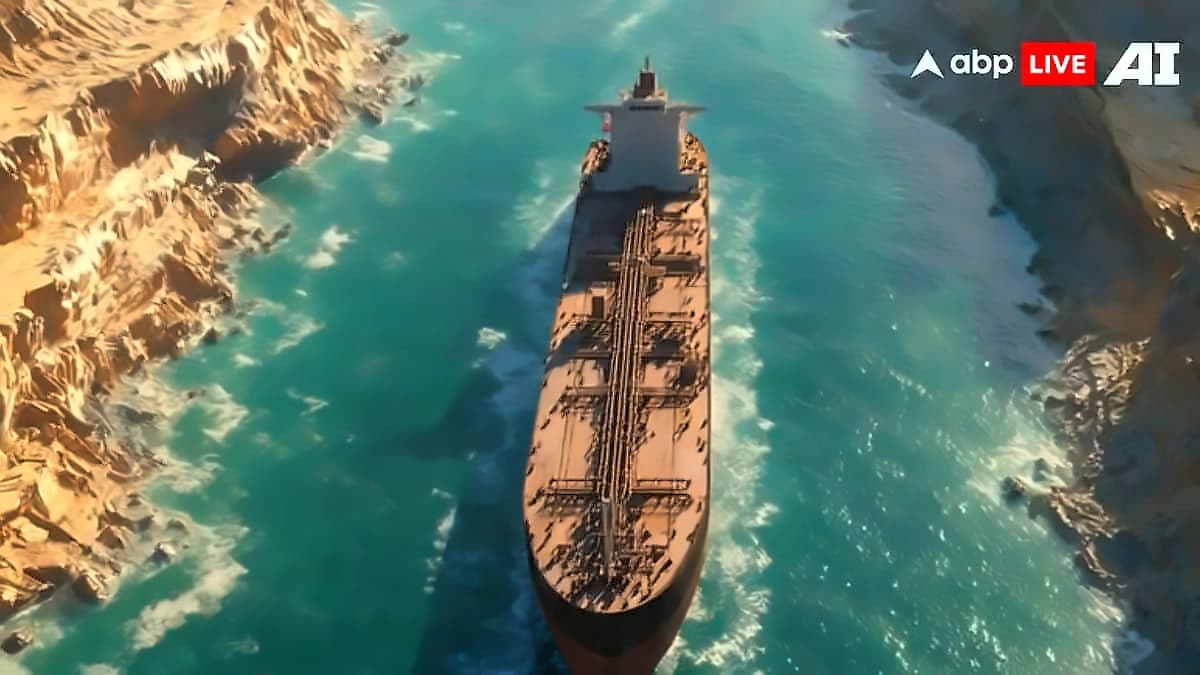
International shipping developments show continued progress in maintaining fuel supply chains. According to Upstox, India-flagged vessel Green Asha has successfully transited the Strait of Hormuz, marking the eighth India-flagged LPG vessel to transit the Strait since February 28 when the war began. Gujarat Deputy Chief Minister Harsh Sanghavi confirmed that an Indian LPG carrier, Green Sanvi, had safely crossed the Strait of Hormuz on April 4, describing it as a 'victory of Indian diplomacy' for maintaining fuel supply chains during the ongoing geopolitical tensions. The Ministry of Ports, Shipping and Waterways confirmed that all Indian seafarers in the region are safe, with no incident involving Indian-flagged vessels reported in the past 24 hours.