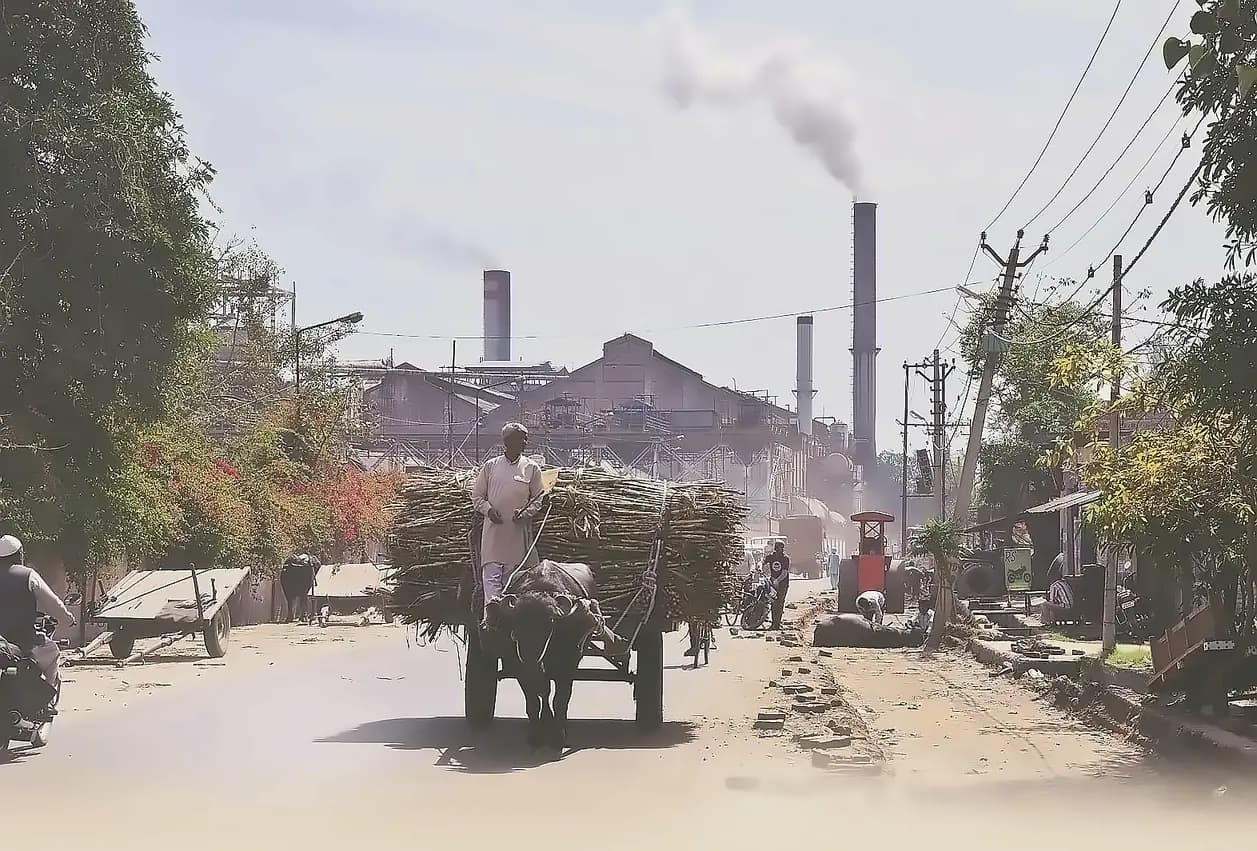
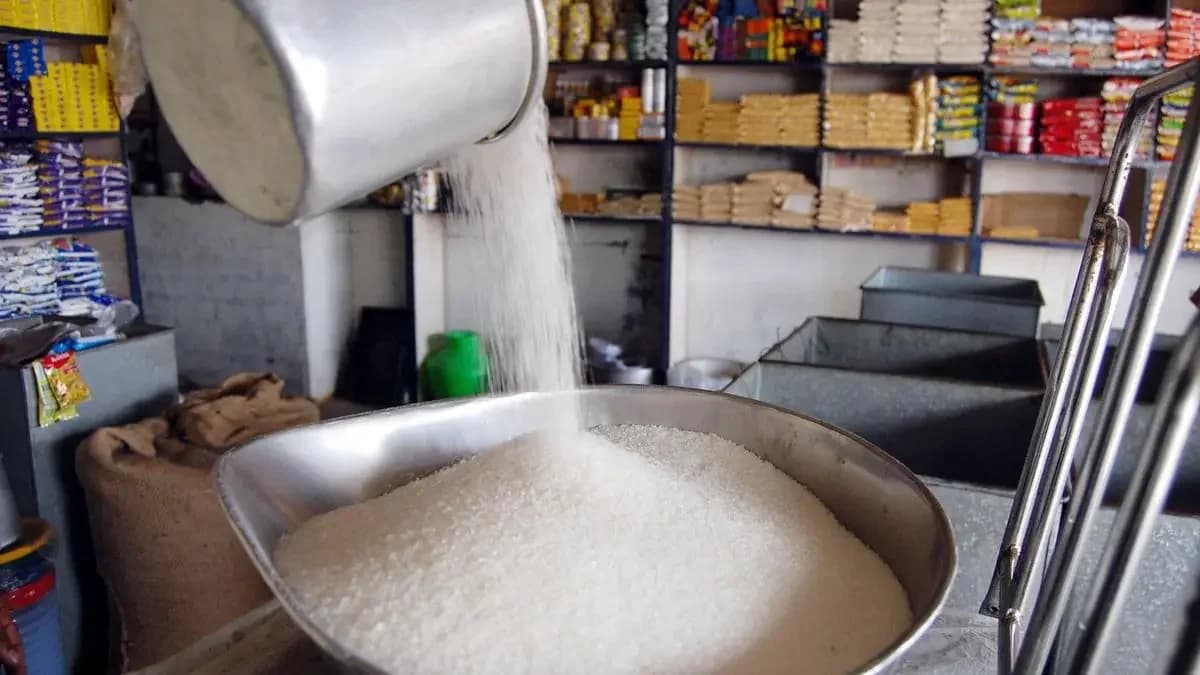
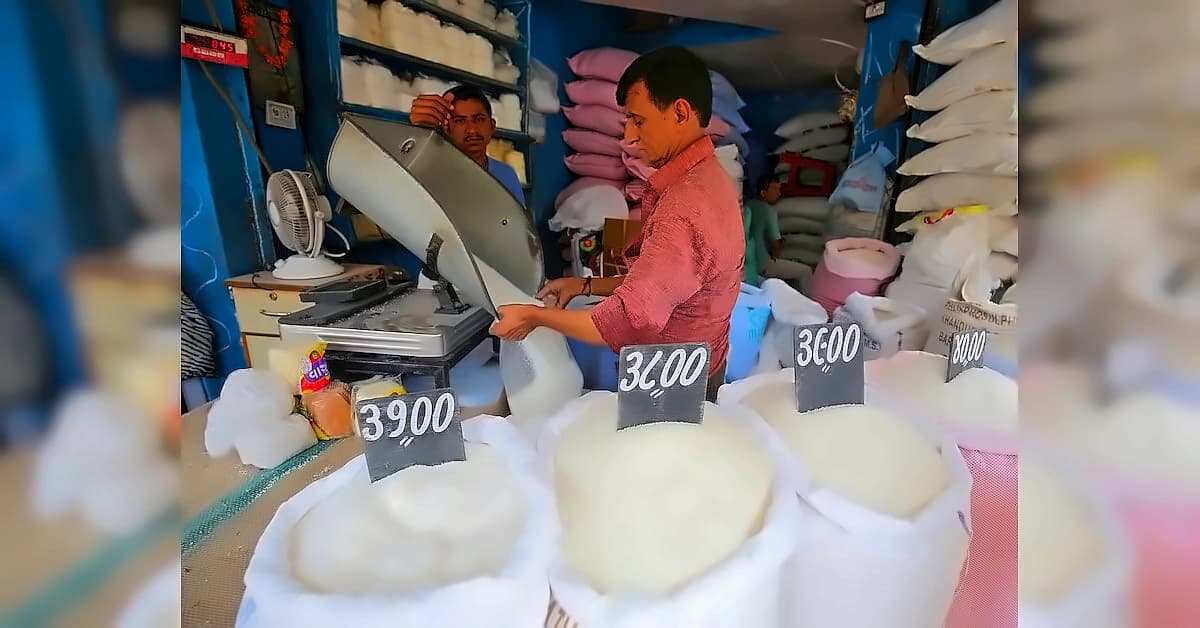
Sugar prices have experienced dramatic increases, with ex-mill prices in Maharashtra rising from approximately ₹4,300 per quintal to ₹5,200-5,300 per quintal this month, representing a jump of more than 20%. According to Business Standard, this follows a more than 16-year high of ₹5,550 per quintal in mid-August, which forced the government to permit import of one million tonnes of raw sugar for the first time in almost a decade. The price surge has been attributed to unexpectedly low production due to excess rains in Maharashtra and pest attacks in Uttar Pradesh last year. A senior industry executive noted that the landed cost of imported white sugar is ₹52-53 per kg while domestic prices fall to around ₹45 per kg by the time the imported sugar arrives, making the economics unviable. However, the good news is that sugarcane crushing has begun almost a month earlier than usual this year, with more than 50 sugar mills starting crushing and fresh sugar expected to flow in coming weeks.
The Uttar Pradesh government has launched a subsidised sugar sale at ₹52 per kg against the market price of ₹65, with the initiative beginning in Lucknow and plans to extend to other cities. According to the Department of Food and Public Distribution, Chief Minister Yogi Adityanath reviewed sugar prices with officials from the sugar industry and cane development department on Wednesday, directing them to ensure consumers are not inconvenienced by rising prices. The subsidised sugar will be available at the Ganna Kisan Sansthan premises in Lucknow, with one-kg and two-kg packs priced at ₹52 and ₹102 respectively, while five-kg and 50-kg packs cost ₹250 and ₹2,500 respectively. The special sale will continue on all working days from 10 am to 5 pm, with arrangements made to facilitate purchases according to daily requirements.
The Indian government has established a record total free-sale quota of 3 million tonnes (30 lakh tonnes) for the entire month of October 2026, marking the highest level recorded for any single month. This includes the 1.4 million tonnes (14 lakh tonnes) allocated for the second fortnight of October (October 13-31), which was released two days ahead of schedule to ensure adequate sugar availability during the festive season. According to the Department of Food and Public Distribution (DFPD), this proactive measure comes after ex-mill prices surged by nearly ₹1,000 per quintal in the past 10 days, with the allocation including 14 lakh tonnes to domestic sugar mills and 2 lakh tonnes to importers. The Centre has advanced the start of the sugar crushing season to October 15 from November 1 to ensure adequate sugar availability during the festive season.
The festive season has witnessed significant cost escalation across the sweets industry, with sweetmeat prices increasing by 10-15% on average compared to the previous festival season. As reported by Business Standard, sugar prices are now hovering around ₹60 per kg compared to ₹44 per kg just three-four months ago. In Odisha, prices of all sweetmeats including rossogolla, chhena-poda and chhena-gaja have rocketed, with sweet makers raising retail prices by ₹25-30 per kg. Chhena is now supplied at ₹220 per kg, up by ₹40 per kg in the last two to three months, according to Bimbadhar Behera, president of the Utkal Mistanna Byabasayee Samiti. In Tamil Nadu, Vishnu Shankar of Adyar Ananda Bhavan reported an average increase of 15% due to higher prices of nuts, cashew, butter, rice and pulse. The spike in imported items like nuts is mainly due to the West Asia war and resultant rise in container rates, with D Srinivasan, president of the Tamil Nadu Hotels Association, reporting a 33% increase in prices of sugar, oils, nuts, groceries and other items.
The Centre has implemented several measures to address the sugar crisis, including allowing sugar mills to sell October's production in the current and next month over and above their regular monthly quotas to ensure adequate festival-season supplies. Separately, the government has directed oil marketing companies to reduce sugar diversion for ethanol production to zero in 2026/27, excluding ethanol made from sugarcane juice, sugar syrup and B-heavy molasses. According to Uppal Shah, chairman and managing director of JK India eAgriTech Ltd, the new season opened with mill inventories at a multi-decade low while festive buying by households, sweet makers and bulk consumers is at its peak. Industry executives suggest that when it comes to sugar, the situation may normalise just in time for Diwali, which is in early November, as more than 50 sugar mills have started crushing and fresh sugar will flow in coming weeks. However, the jury remains out on whether the government measures have succeeded in lowering prices, with limited consignments hitting the market due to price mismatches.