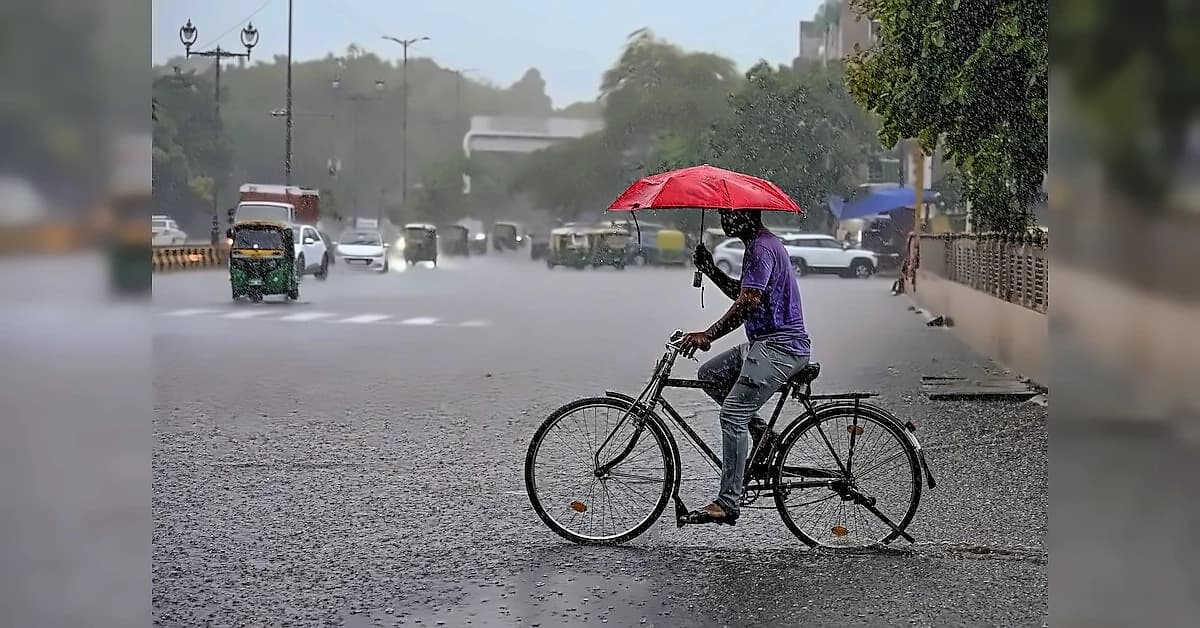
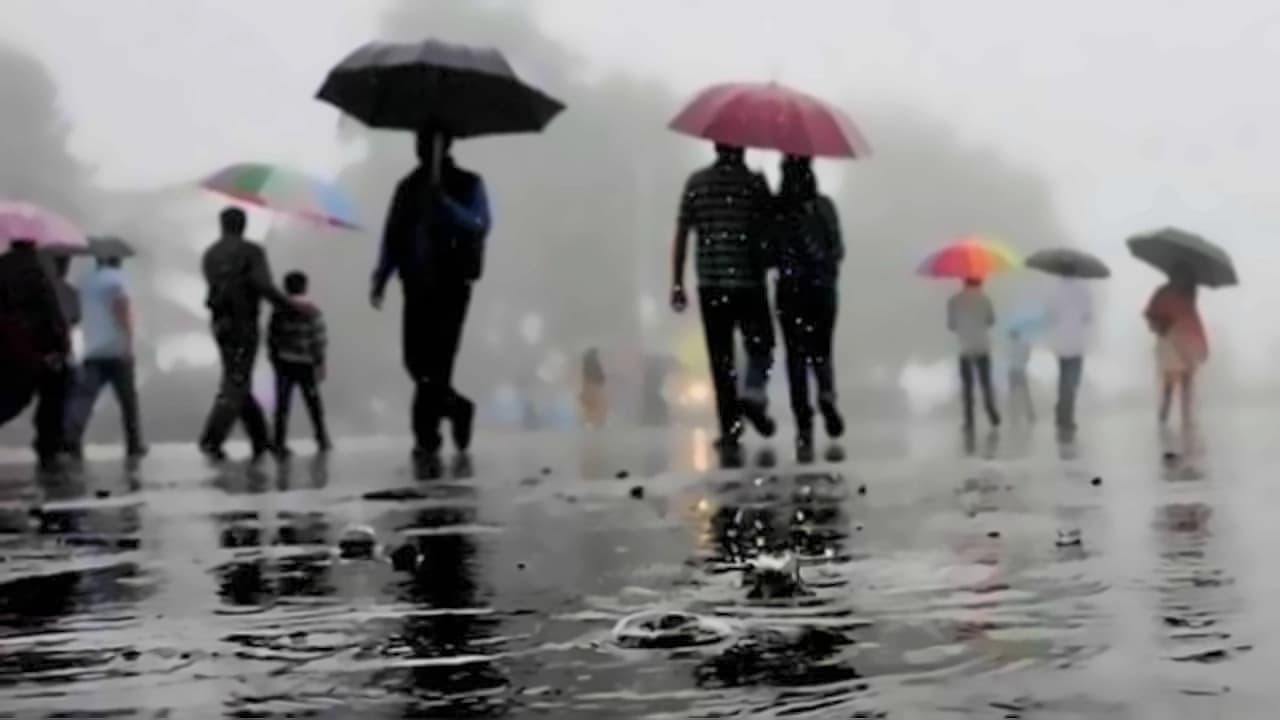
The India Meteorological Department (IMD) has announced that conditions are favourable for the southwest monsoon to advance into more parts of North Arabian Sea and areas of Uttar Pradesh and Uttarakhand over the next two to three days. According to the latest IMD release, the monsoon is likely to continue its movement over some more parts of Uttar Pradesh, Uttarakhand, some areas of Himachal Pradesh, Jammu and Kashmir, Ladakh and southeast Rajasthan during the subsequent two to three days. The weather office has now forecast heavy to very heavy rainfall over several parts of the country over the next week, with the monsoon advancing further into Gujarat, Madhya Pradesh, Uttar Pradesh, entire Daman and Diu, remaining parts of Uttarakhand, Himachal Pradesh and Ladakh, entire Jammu and Kashmir, most parts of Haryana, Chandigarh, Delhi and Punjab, and some parts of Rajasthan during this period. However, the agency has also warned of heatwave conditions -- possibly severe -- in Uttar Pradesh on July 28 and 29. Meanwhile, weather forecasting agency Skymet predicts that Delhi is likely to see the arrival of monsoon on July 4 if conditions remain favourable, though this represents a delay of about a week from the normal onset date of June 27-28.
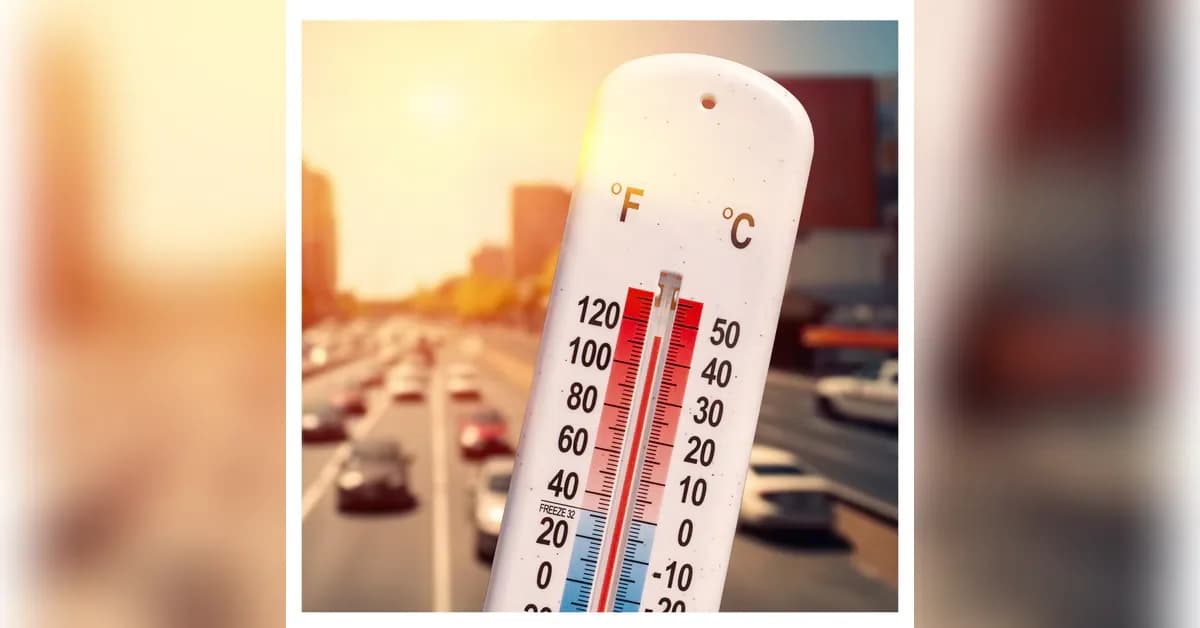
Delhi recorded its warmest morning in two years with a minimum temperature of 31.1 degrees Celsius, 3.2 notches above the seasonal average, while the maximum climbed to 41.8 degrees Celsius. According to the weather office, a heatwave has been realised over Delhi, with the 'feels-like' temperature at 5.30 pm calculated by the IMD around 50.7 degrees Celsius. In Uttar Pradesh, mercury soared to 43.4 degrees Celsius in Paryagraj, while Lucknow recorded a maximum temperature of 39.7 degrees Celsius, 3.6 notches above normal. The IMD has now issued heatwave warnings for Delhi, Ghaziabad, Noida, Gurugram and adjoining areas which recorded their hottest morning in two years on Monday, with weather conditions unlikely to support the monsoon's advance over the next five days. However, Delhi recorded a minimum temperature of 28.6 degrees Celsius on Wednesday, with the maximum temperature expected to stay within the range of 36-38 degrees Celsius, as reported by Business Standard.
Water shortages have become severe in India's major cities, with Mumbai implementing water restrictions to bolster dwindling reservoirs despite monsoon rains reaching the city earlier this week, about two weeks later than normal. As reported by Associated Press, lines are stretching for hours at public water distribution sites due to the shortage. Aishah Khan, a 33-year-old domestic worker in Mumbai, said she has to wait two hours to collect just 10 liters of water. The local government has stopped municipal water supplies to swimming pools and construction sites to ensure more water is available for essential needs. This crisis is particularly concerning as June and July are the most important sowing months for millions of Indian farmers who depend on the rainy season to irrigate their fields.
Many farmers in India's northern, rural regions are delaying the sowing of their seeds as rains have still not arrived, with concerns that poor rains this year will drive them into further debt. Suresh Kumar, a millet farmer in India's Uttar Pradesh state, said he is unable to plant seeds without the rains coming and already suffering losses. In neighboring Madhya Pradesh, soybean and wheat farmer Kedar Sirohi said he is praying for good rains to arrive. According to Vivek Grewal, hydrogeologist at Bengaluru-based WELL Labs, "Farmers with access to groundwater will be able to save their crops even during weak rains, but those who depend on the rains won't." This highlights the critical importance of groundwater resources, as India is the world's largest extractor of groundwater, pumping out more than the United States and China combined, with about 70% of the country's water used from groundwater sources according to India's Central Ground Water Board.
The delayed monsoon and erratic rainfall patterns reflect the broader impact of climate change on India's weather systems. As reported by Associated Press, India is among the top 10 countries worst affected by climate change according to a report by European nonprofit Germanwatch. Climate experts emphasize that improving the country's capacity to handle climate shocks is key, with Abhiyant Tiwari from NRDC India suggesting that "investing in water conservation, restoring urban water bodies and protecting smaller village ponds should be high priorities at both national and local levels." The current situation demonstrates how poor rainfall does not have to translate into water stress if planning and governance systems are strengthened, though the current conditions indicate significant challenges ahead for India's water security.