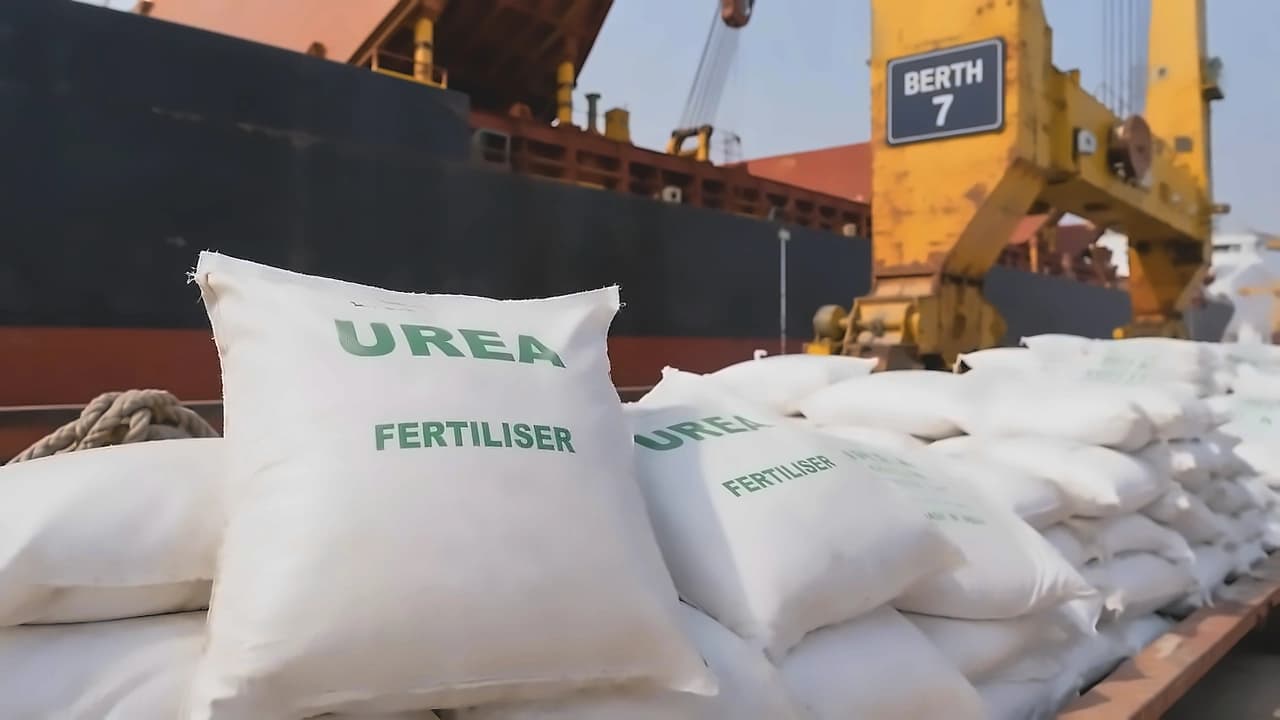
Rising tensions around the Strait of Hormuz are forcing India to rethink how its agricultural sector uses critical inputs such as fertilisers, pesticides and water. According to reports, higher energy costs, delayed imports, and supply uncertainty can impact everything from fertilisers to crop protection products and even seeds. The situation highlights a larger strategic need to reduce vulnerability in India's agricultural supply chain, as the country depends heavily on global supply chains for agricultural inputs. Recent developments show that nearly 30-35% of global fertiliser trade moves through the Strait of Hormuz, alongside about one-fifth of global oil shipments, making the route a key artery for both energy and agricultural inputs.
India's challenge today is not just about availability of agri-inputs, but about how effectively they are being used. As reported, input usage has often been more about quantity than need, whether it is fertilisers, pesticides, or even water. Continuous and uneven input use has weakened soil structure in many regions, with productivity gains slowing, input costs rising, and returns becoming less predictable. The issue is no longer about adding more inputs, but using the right input, in the right way, at the right time.
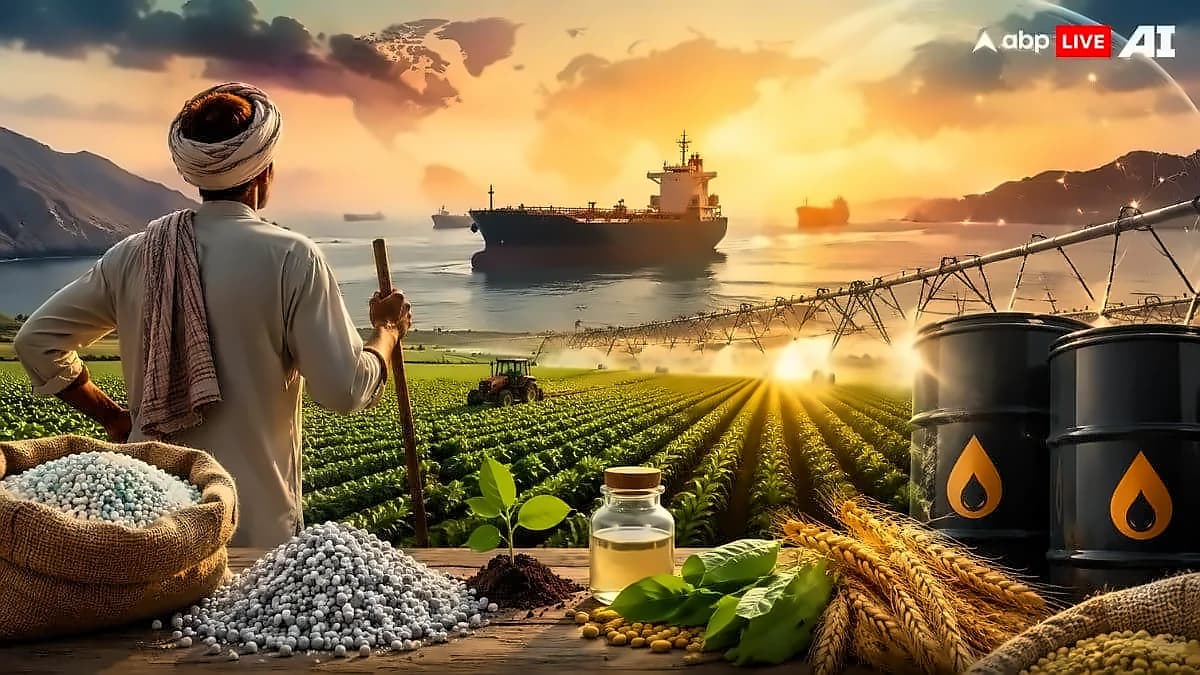
The way forward lies in better targeting and smarter use of agri-inputs through precision farming practices, soil testing, and need-based application. According to the analysis, when inputs are aligned with crop and soil requirements, farmers can reduce waste, lower costs, and maintain productivity. India has already taken steps in this direction, with digital platforms and direct benefit systems starting to improve how inputs are distributed. Some state-level initiatives have shown that when access is monitored and usage is guided, overall consumption can come down without affecting yields.
There is growing space for alternative solutions such as bio-stimulants, biological crop protection, and climate-resilient seeds. As reported, these are not replacements but complements that can help reduce pressure on conventional inputs while improving sustainability. The focus should move from 'more input' to 'better input use', requiring alignment between policy, industry innovation, and farmer awareness for smarter utilisation.
The Hormuz crisis is creating widespread regional impacts, with countries like Bangladesh facing rising food inflation and security risks as fertiliser supply chains are disrupted. Urea prices have already witnessed sharp gains in global spot markets, raising concerns for import-dependent countries. Higher input costs, combined with elevated diesel and LNG prices, could directly impact irrigation, crop yields and overall farm productivity in upcoming agricultural cycles, including the crucial Aman rice season. Some regional economies have already begun adjusting procurement strategies, with reports of countries expanding food stockpiles and seeking alternative fertiliser sources amid growing uncertainty in Middle Eastern supply routes. Bangladesh -- which imports a significant share of its fertiliser requirements and relies heavily on LNG-linked production chains -- is particularly exposed to such external shocks, according to recent reports. The report warns that if disruptions persist, fertiliser markets could remain volatile for an extended period, forcing governments to rely more on spot markets and expensive emergency procurement.