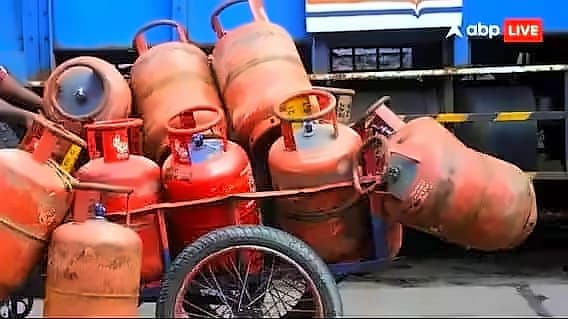
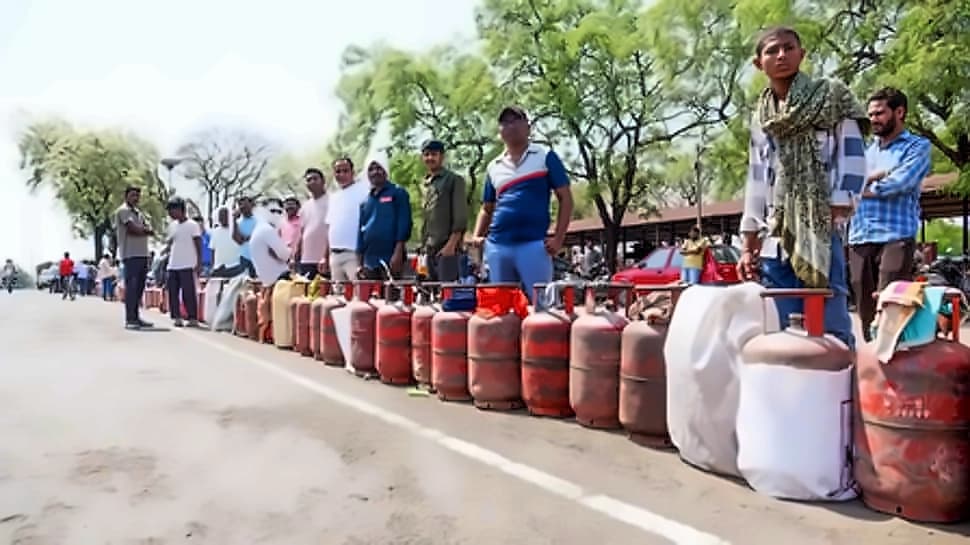
LPG prices have been significantly increased from May 1, 2026, with the 5 kg Free Trade LPG (FTL) cylinder, commonly known as the ''chotu'' or mini cylinder, seeing a hike of ₹261 per cylinder. These cylinders are typically used by small establishments and for limited commercial purposes, making them more sensitive to international price movements. The 19 kg commercial LPG cylinder has been increased by ₹993, taking the price in Delhi to ₹3,071.50 from May 1. City-wise prices for 19 kg cylinders now stand at New Delhi: ₹3,071.50, Mumbai: ₹3,024, Kolkata: ₹3,202, Chennai: ₹3,237. The increase is expected to directly impact restaurants, hotels, bakeries and other businesses that rely heavily on commercial LPG, with costs likely to be partially passed on to consumers.
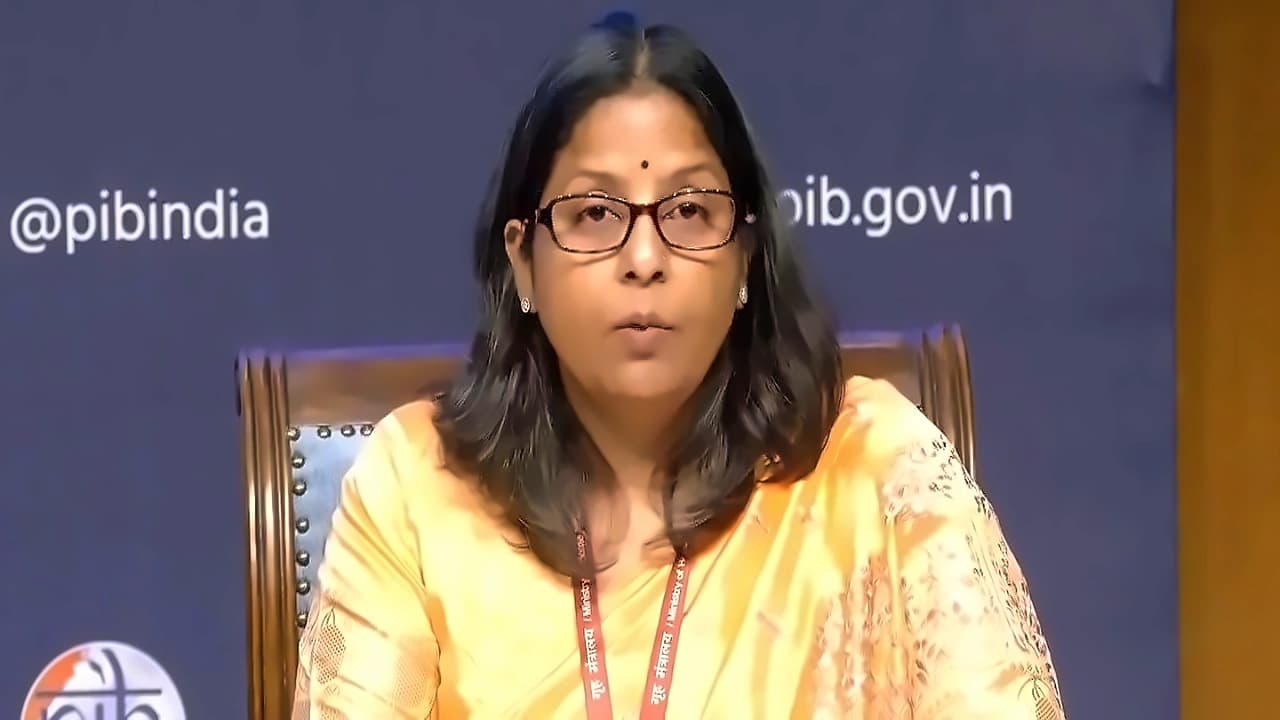
The Centre has ensured 100% supply for domestic LPG consumers, Piped Natural Gas (PNG) users and Compressed Natural Gas (CNG) transport services despite the ongoing Middle East crisis, according to The Times of India. Addressing an inter-ministerial briefing, Sujata Sharma, Joint Secretary (Marketing & Oil Refinery) in the Ministry of Petroleum & Natural Gas, stated that steps were being taken to minimise the impact of disruptions in crude oil and gas imports. As reported by ANI, the Indian government has been working to reduce problems faced by domestic consumers due to the West Asia crisis affecting crude oil, LPG and PNG imports. Sharma noted that while the geopolitical situation has impacted crude oil and gas imports, the government is taking active steps to minimize the burden on the domestic population. The government has intensified enforcement measures with over 67,000 LPG cylinders seized, over 1,160 FIRs registered, and 271 people arrested since March 2026 as part of a nationwide crackdown on hoarding and black marketing amid the ongoing West Asia crisis.
Commercial LPG restoration has reached 70%, with priority supply being given to hospitals and educational institutions, followed by pharmaceutical, steel, seed and agriculture sectors, according to The Times of India. For migrant labour, supply of 5 kg FTL cylinders has been almost doubled. The ministry reported that daily averages for public sector undertakings rose to 353 tonnes in April from 177 tonnes in January and February. April sales data showed demand rising significantly, with around 175,000 tonnes of commercial LPG sold during the month. Sharma highlighted significant growth in states such as Karnataka, Tamil Nadu, Telangana, West Bengal, and Rajasthan, demonstrating the widespread recovery in commercial LPG demand across the country. Since March 2026, about 5.96 lakh PNG connections have been gasified and infrastructure has been created for additional 6.66 lakh connections, taking the total to 8.64 lakh connections, with more than 42,800 PNG consumers surrendering their LPG connections via MYPNGD.in website.
To balance demand and ease pressure on LPG supply, authorities have rolled out measures such as extending LPG booking intervals and encouraging use of alternative fuels, as reported by The Times of India. The government said alternate fuels such as kerosene and coal have been made available to ease pressure on LPG demand. In response to rising global crude prices triggered by the West Asia situation, the government has implemented fiscal relief measures. The Middle East crisis has led to an abnormal increase in crude prices; however, to protect consumers, the Government of India has reduced excise duty on petrol and diesel by ₹10 per litre. Additionally, the government reduced the export levy on diesel from ₹55.50 per litre to ₹23 per litre and on ATF from ₹42 per litre to ₹33 per litre. The ministry emphasized that refinery operations continue at full strength with sufficient reserves, with all refineries operating at high capacity with adequate crude inventories.
The ministry is tackling reports of localised panic buying through coordination with states and continuous monitoring of retail outlets, according to The Times of India. Authorities have recently carried out around 2,800 raids and inspections to ensure stock availability. Since March, about 67,000 cylinders have been seized, 1,160 FIRs registered and 271 people arrested for supply disruptions or illegal activities. The ministry emphasized that there is no dry out report on any distributor, indicating effective supply chain management despite the challenging situation. PSU OMCs have strengthened and continued surprise inspections and imposed penalties on 316 LPG distributorships, and 72 LPG distributorships have been suspended till yesterday. Online LPG cylinder bookings increased to 99% on industry basis yesterday, with Delivery Authentication Code (DAC) based deliveries increased to around 93% to prevent diversion. The waiting period for booking domestic LPG refills has been extended to 25 days in urban areas and up to 45 days in rural areas to prevent hoarding amid uncertainty.
Sujata Sharma urged people not to believe in rumours, stating that there is sufficient supply of LPG, petrol and diesel with stable prices and no price increases made, as reported by The Times of India. She emphasized that people should avoid panic buying and use LPG, petrol and diesel as per their needs. The government's coordinated approach has ensured normal LPG supply across the country despite the challenging Middle East crisis situation, with the Joint Secretary confirming that there is no dry out report on any distributor and prices remain stable across all fuel categories. Citizens are advised to avoid panic purchase of petrol, diesel and LPG as the Govt is making all efforts to ensure availability, with all retail outlets operating normally across the country. The Ministry of Ports, Shipping and Waterways has facilitated the safe return of more than 2,922 Indian seafarers from the Gulf region, with all Indian seafarers in the region safe and no incident involving Indian-flagged vessels reported in the past 24 hours. The Ministry of External Affairs (MEA) said Indian missions in the region are operating round-the-clock helplines and assisting citizens amid evolving conditions, while flight operations are gradually stabilising with increased services.