The Commerce Ministry's Directorate General of Foreign Trade (DGFT) has notified the government's decision to permit 25 lakh tonnes of wheat exports on April 20, 2026. As per The Hindu BusinessLine, this brings the total permitted wheat exports to 50 lakh tonnes of wheat and 10 lakh tonnes of wheat products. The DGFT stated that while the export policy of wheat continues to remain prohibited, export of an additional 25 lakh metric tonnes is permitted. The detailed modalities for this export will be notified through a separate order, with existing policy conditions from May 13, 2022 continuing to apply.
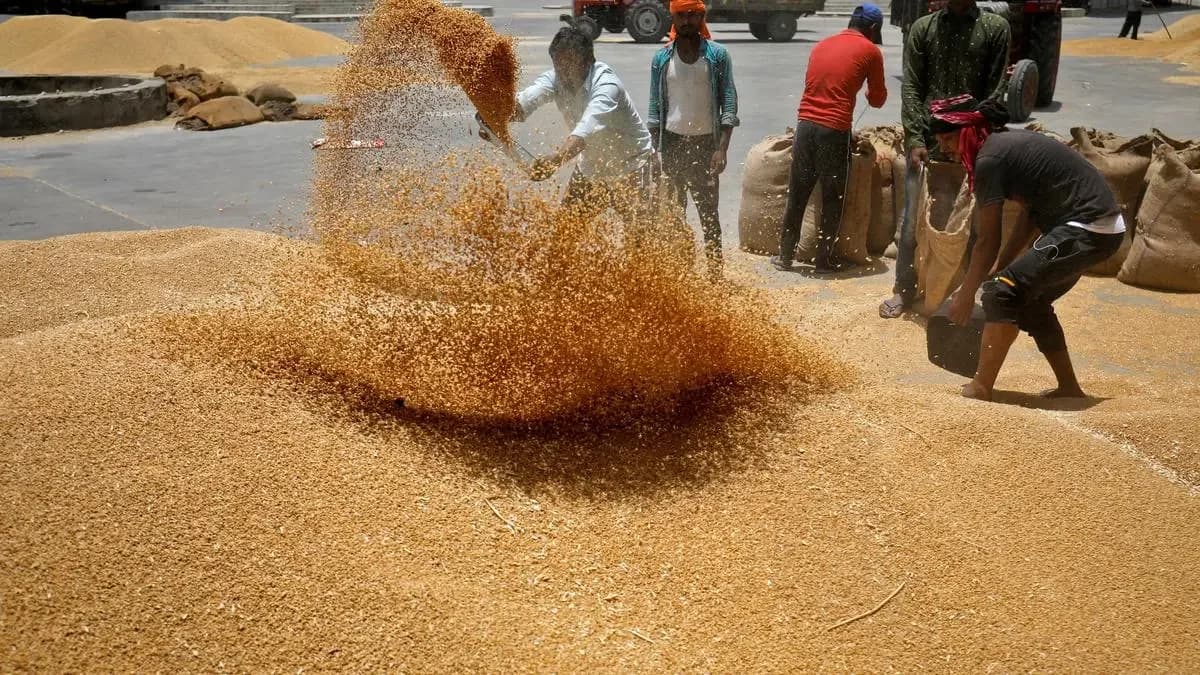
Government agencies have demonstrated robust procurement activity across key wheat-growing states, reinforcing the positive production outlook. As reported by PTI, government agencies have procured 148 lakh tonnes of wheat in the ongoing rabi marketing season, representing a decline of 11.37% from the year-ago period. A senior Food Ministry official attributed the lower procurement to late arrival of the crop in mandis, stating that the procurement pace is picking up. In Haryana, wheat arrivals in mandis have already exceeded the government's procurement target of 75 lakh metric tonnes, with 56.13 lakh tonnes already purchased - an increase of around 9 lakh tonnes over the same period last year. Madhya Pradesh's target has been revised upward from 78 LMT to 100 LMT following higher production estimates.
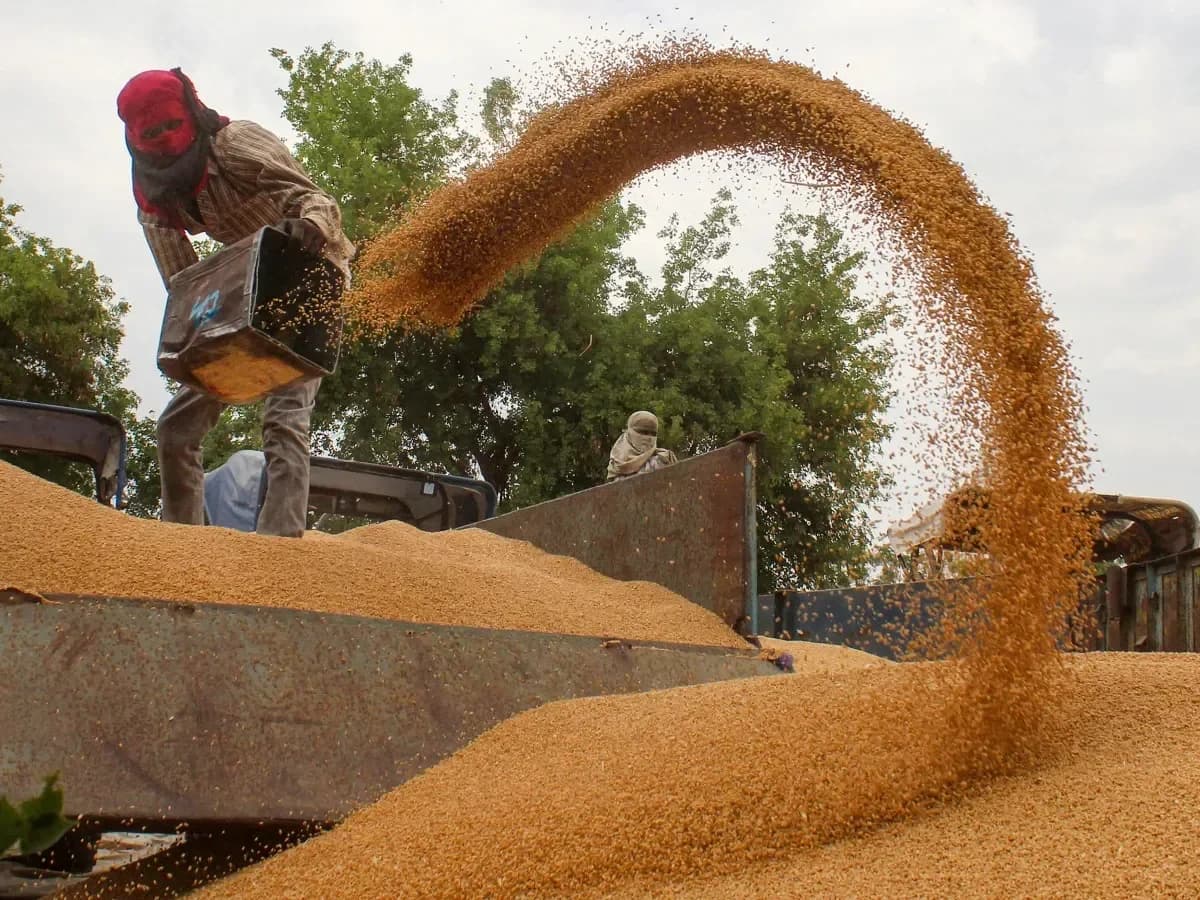
The country's wheat production is pegged at 120.2 million tonnes for the 2025-26 crop year (July-June) as per the second advance estimate of the Agriculture Ministry. According to the ministry statement, the crop was sown across an estimated 33.41 million hectares during the 2026 rabi season, compared to 32.80 million hectares in the year-ago period. The higher production was attributed to increased wheat acreage due to early and timely sowing. However, the government acknowledged that unusually high temperatures in February exposed the crop to heat stress, reducing the grain-filling period and impacting yields. Additionally, untimely rainfall and hailstorms in some regions at the maturity stage are likely to have caused localised damage to grain quality and output.
The government has implemented a phased approach to wheat exports, with earlier permissions including 5 lakh tonnes of wheat products in January 2026, followed by 5 lakh tonnes of wheat products and 25 lakh tonnes of wheat in February 2026. As per The Hindu BusinessLine, the DGFT notification states that export shall also be allowed on the basis of permission granted by the Government of India to other countries to meet their food security needs and based on the request of their governments, over and above the permitted amount of additional 25 LMT of wheat. The ministry emphasized that it is anticipated that the adverse effects of weather anomalies will be largely compensated by increased area, early sowing, and improved varietal adoption.
The ministry's assessment is supported by the absence of major pest incidences and minimal weed infestation during critical growth stages. The government noted that national wheat production is expected to remain stable compared to the 2024-25 season, supported by increased acreage, improved agronomic practices, and enhanced varietal adoption across different regions. Procurement data from key wheat-growing states pointed to healthy production levels on the ground, with steady inflows reported from Maharashtra's Marathwada and Vidarbha regions as of late April. The ministry highlighted several compensatory factors supporting the cautiously optimistic production outlook, including an additional 0.6 million hectares brought under wheat cultivation this season and higher varietal replacement rate accelerating adoption of high-yielding, climate-resilient seeds.