Gold premiums in India climbed to their highest in over two-and-a-half months this week, as supplies tightened significantly. Dealers quoted premiums of up to $15 an ounce over official domestic prices this week, inclusive of 6% import and 3% sales levies, marking the highest levels since February 7. This represents a dramatic shift from last week when dealers quoted discounts of up to $4 an ounce and premiums of $14 an ounce. The surge comes as Indian banks were forced to halt gold and silver imports earlier this month after the government delayed an authorisation order, leaving tons of bullion stranded at customs. As per a Mumbai-based bullion trader, "Premiums are rising due to limited supplies. Banks are still not importing gold because of uncertainty over the applicable tax on gold." Domestic gold prices were trading around ₹1,51,200 per 10 grams on Friday, after rising to a one-month high of ₹1,55,065 last week. On Saturday, April 25, 24-karat gold was priced at ₹153,050 per 10 grams according to the Indian Bullion Association (IBA), while 22-karat gold was priced at ₹140,296 per 10 grams in the physical bullion market.
Gold prices lost nearly 2% in European trading on Monday, retreating from a four-week high due to active correction and profit-taking, combined with pressure from the rising U.S. dollar. Gold prices fell by approximately 2.0% to $4,737.15 from the opening level of $4,829.31, and recorded a high of $4,829.31. The U.S. dollar index rose 0.15% on Monday, extending gains for the third consecutive session and reaching its highest level in nearly a week. This rise comes amid renewed buying of the dollar as a safe haven given the escalating tensions between the United States and Iran and diminishing chances of reaching a Middle East peace agreement. The dollar strength makes greenback-denominated commodities more expensive for holders of other currencies, contributing to the downward pressure on gold prices.
Iran is refusing to participate in a second round of peace negotiations scheduled for today in Pakistan, despite the fact that Islamabad prepares to host these talks. The escalation follows the U.S. Navy's seizure of the Iranian-flagged cargo ship "Tosca" in the Gulf of Oman, with U.S. President Donald Trump stating that the ship was intercepted on Saturday. Tehran has labeled the ship's interception an "act of maritime piracy" and a flagrant violation of the ceasefire agreement, vowing to respond to this escalation. The Iranian Navy announced the re-closing of the Strait of Hormuz as of Saturday afternoon until the U.S. blockade on Iranian ships is lifted. However, Iran's Foreign Minister Abbas Araghchi is due in Islamabad on Friday and a second round of peace talks between the US and Iran is expected, according to Bloomberg News citing Pakistani officials. Iranian media said he was on a "regional tour" and would also visit Oman and Russia. Several international and regional parties are pressuring Tehran to participate in the peace negotiations before the two-week ceasefire agreement expires tomorrow, Tuesday.
Gulf crude oil production could largely recover within a few months of the Strait of Hormuz reopening, according to Goldman Sachs research. The investment bank estimated that Gulf output went down by 14.5 million barrels per day (mbd), or 57%, from pre-war levels. Goldman Sachs noted that a swift recovery is possible, given there are no renewed strikes on oil assets and a full, safe reopening of the Strait in the coming months. However, the last leg of the ramp-up could be prolonged and may not fully materialize if the waterway remains closed for an extended period. The speed of recovery will hinge on transportation and well flow rates, with available empty tanker capacity in the Gulf falling by about 50% or 130 million barrels since the start of the conflict. Historical data shows Hormuz flows peaked at 23.3 mbd compared to a normal 20 mbd, with pipeline redirection capacity running at 3.5 mbd above normal.
In top consumer China, bullion traded at premiums of $9 to $12 an ounce over the global benchmark price this week, up from last week's premiums of $3 to $6. "Gold is trading just around $4,700 this week," said Peter Fung, head of dealing at Wing Fung Precious Metals. "At this level, you can see some renewed physical demand and fresh buying interest, leading to higher premiums in Shanghai." In Hong Kong, physical gold traded at par to premiums of $1.80, while in Japan, gold was sold at par with spot prices. In Singapore, gold was sold at discounts of $0.50 to premiums of $1.80, compared to premiums of $1 to $3 last week. This surge in Chinese demand comes as Indians celebrated Akshaya Tritiya on April 19, when gold purchases are considered auspicious, though demand was weaker than usual. An Ahmedabad-based jeweller noted that "retail buying has slowed after the festival, but demand could improve if prices fall below ₹150,000."
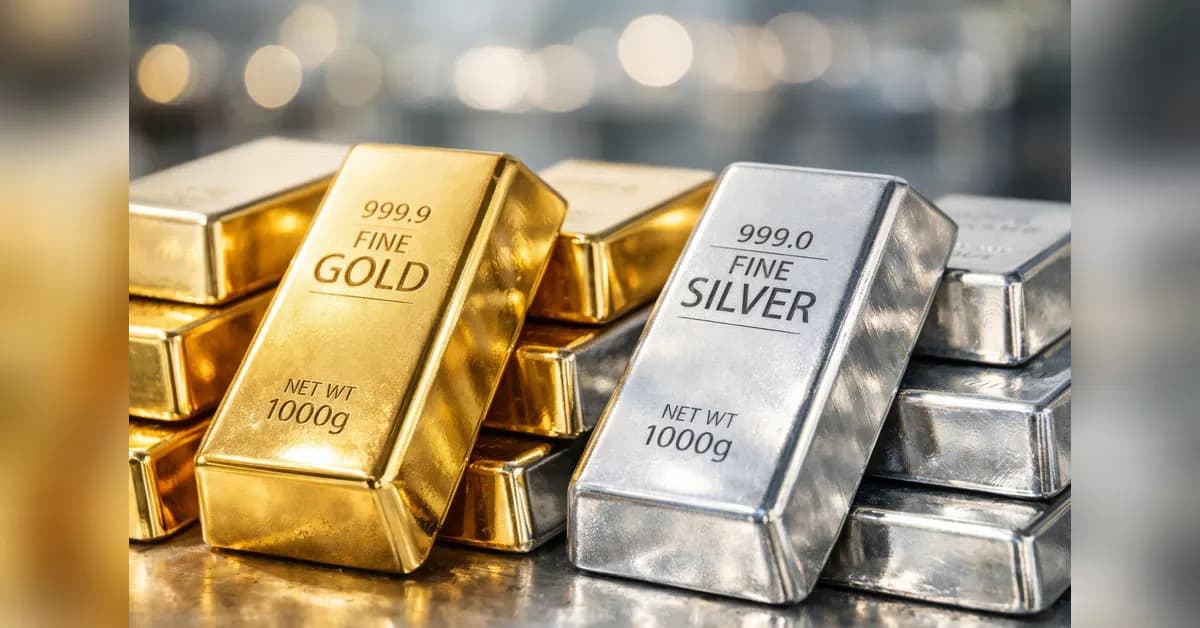
Gold prices in India's retail market remained largely stable on Saturday, April 25, with both 24-karat and 22-karat gold rates witnessing minimal changes across major metro cities. MCX is closed on weekends, hence live trading rates are currently unavailable, but gold continued to trade above ₹1.5 lakh based on last closing levels. 24-karat gold was priced at ₹153,050 per 10 grams according to the Indian Bullion Association (IBA), while 22-karat gold was priced at ₹140,296 per 10 grams in the physical bullion market. Silver 999 Fine was priced at ₹246,070 per kg. In major cities, 24-karat gold rates ranged from ₹152,510 to ₹153,210 per 10 grams across Delhi, Mumbai, Chennai, Kolkata, Bengaluru, and Hyderabad, while 22-karat gold rates were between ₹139,801 and ₹140,443 per 10 grams. The precious metal hit a record high above ₹180,000 in January this year, though prices have since eased from those levels, potentially setting the stage for lucrative entry points for investors.