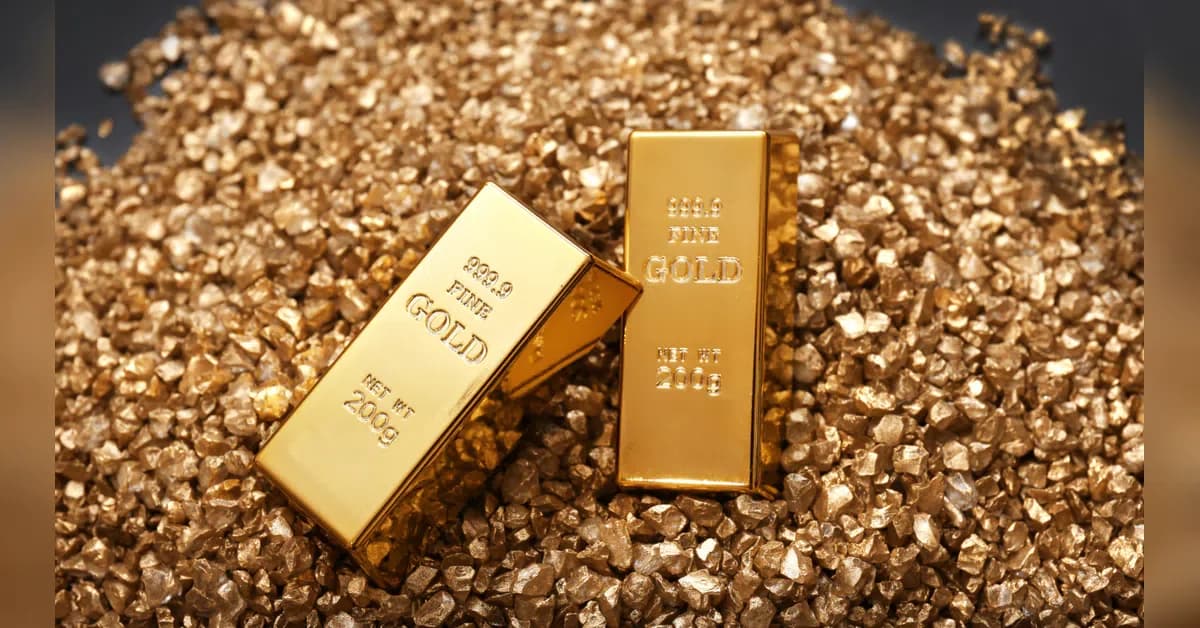
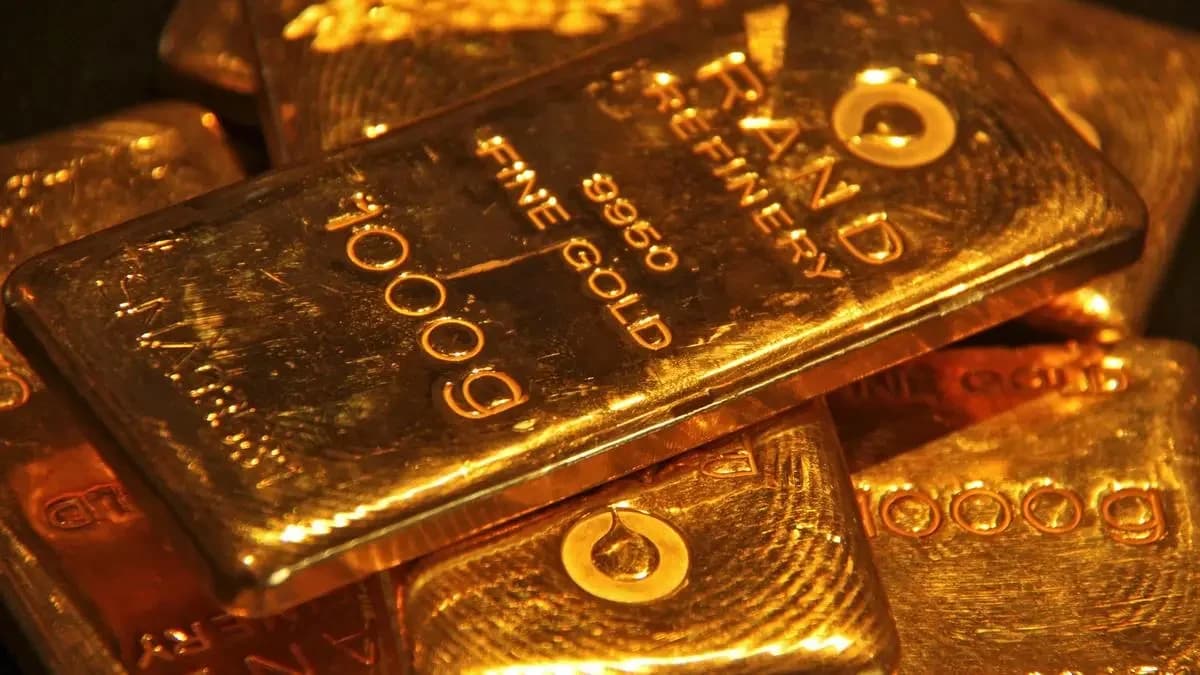
Gold prices in India have reached unprecedented levels, with one tola of gold increasing by nearly ₹10,000 within just four days, according to DAR FOCUS reports. This dramatic surge comes as gold import duty has been increased to 15%, creating significant pressure on domestic gold prices. The combination of rising West Asia tensions and higher import costs is driving sharp movements in the Indian bullion market, with the price increases creating a major impact on both jewellery buyers and investors. This domestic price surge contrasts sharply with global gold prices, which have declined to multi-week lows amid the same geopolitical tensions.
Oil prices experienced a dramatic surge, with WTI hitting a two-week high near $102.30, rising 1.35% in Monday's Asian session and reaching $102.30 with attention on $102.50. The latest surge comes as US-Iran tensions added to supply concerns after Donald Trump posted a warning to Iran on Truth Social, with The Times of Israel reporting that Israel and the US were advancing military preparations for possible joint attacks on Iran. US-Iran talks remain stalled over Tehran's nuclear programme, while a firmer US Dollar could limit further gains because Oil is priced in Dollars. The USD Index (DXY) reached its highest level since 7 April, helped by expectations of a US Federal Reserve rate rise in 2026. As reported by Capital Economics, the closure is draining global oil inventories fast, with inventories potentially reaching critical levels by end-June, setting the stage for Brent at $130-140 per barrel, if not higher.
Despite record highs in India, global gold prices experienced significant pressure, falling to their lowest point in more than a month as geopolitical tensions escalated in the Middle East. According to reports from Business Standard, spot gold was down 1.1 per cent at $4,488.99 per ounce as of 0052 GMT, hitting its lowest level since March 30. US gold futures for June delivery also declined, losing 1.5 per cent to $4,493.30, reflecting the broader market sentiment toward the precious metal. The decline reflects broader market concerns about Middle East tensions pushing oil prices higher, fuelling inflation fears and reinforcing expectations of higher-for-longer interest rates. As of Monday morning, spot gold was quoted around $4,495.2 USD/ounce, down $45 from the previous day, with silver also declining to $75.93 per ounce, down $5.2 from earlier levels. Latest reports indicate gold was flat at $4,540 an ounce, having drawn little support so far as a safe haven or as a hedge against inflation risks.
The decline in global gold prices was primarily attributed to rising geopolitical tensions following a drone strike that caused a fire at a nuclear power plant in the United Arab Emirates. As reported by Business Standard, this incident has lifted crude prices and bets of interest rates, creating a cascading effect across commodity markets. Additionally, Saudi Arabia reported intercepting three drones, while US President Donald Trump warned that Iran must act 'fast' after efforts to end the US-Israeli war appeared to have stalled. The tensions have created a perfect storm of geopolitical risks, higher oil prices, and inflation fears that are weighing on precious metals markets. Investor disappointment is growing as there are no clear signs of a de-escalation of US-Iran tensions or the reopening of the Strait of Hormuz – a vital global oil shipping route, causing oil prices to continue rising and raising concerns about increased inflationary pressure.
The geopolitical tensions have reinforced market expectations for higher interest rates, with oil prices extending gains on Monday to hit a two-week high. According to Business Standard, markets are increasingly pricing in a US Federal Reserve rate hike before year-end, with a 50 per cent chance of a move by December according to CME Group's FedWatch tool. This expectation is particularly significant as central banks tend to hike interest rates during times of inflation, which in turn tends to dim non-yielding bullion's appeal. The combination of higher-for-longer interest rate expectations and inflation fears is creating a challenging environment for gold investors, with the latest oil price surge supporting this monetary policy outlook. Latest reports indicate investors in turn feared central banks globally would have to tighten to head off an inflationary spiral, and a hike from the Federal Reserve is now seen as a 50-50 chance this year.
The precious metals complex experienced widespread declines alongside gold, with spot silver falling 2.2 per cent to $74.30 per ounce, platinum losing 0.6 per cent to $1,961.30, and palladium dropping 1.2 per cent at $1,396.25. As reported by Business Standard, investors are also awaiting the minutes of the Fed's April meeting, due to be released this week, for clues on the central bank's monetary policy direction. Meanwhile, gold speculators raised net long positions by 4,963 contracts to 100,627 in the week ended May 12, despite the current price weakness. Domestically, gold bar prices in Vietnam are currently about 19 million VND/ounce higher than converted world prices, with SJC, Bao Tin Manh Hai, and PNJ listing gold bars at 160.5 million VND/ounce for buying and 163.5 million VND/ounce for selling. The all-important AI trade will be tested by earnings from Nvidia due on Wednesday, where expectations are sky high for the world's most valuable company.