Gold and silver prices have experienced significant corrections since the US-Iran conflict began, with gold declining over 8% and silver plunging more than 16% since the start of the war. Latest trading shows spot gold dropping 0.7% to $4,807 per ounce and silver struggling around $77, as reported by The Economic Times. The precious metals have already corrected from their earlier gains, with gold previously rising ₹469 to ₹1,54,417 per 10 grams and silver climbing ₹1,358 to ₹2,53,100 per kg. The current correction reflects a shift from safe-haven demand to concerns about inflation and monetary policy tightening. MCX Silver rates fell around 2% to ₹2,52,304 per kg on Monday, April 20, while MCX Gold price lost over 1% to ₹2,57,142 per 10 grams, according to LiveMint.
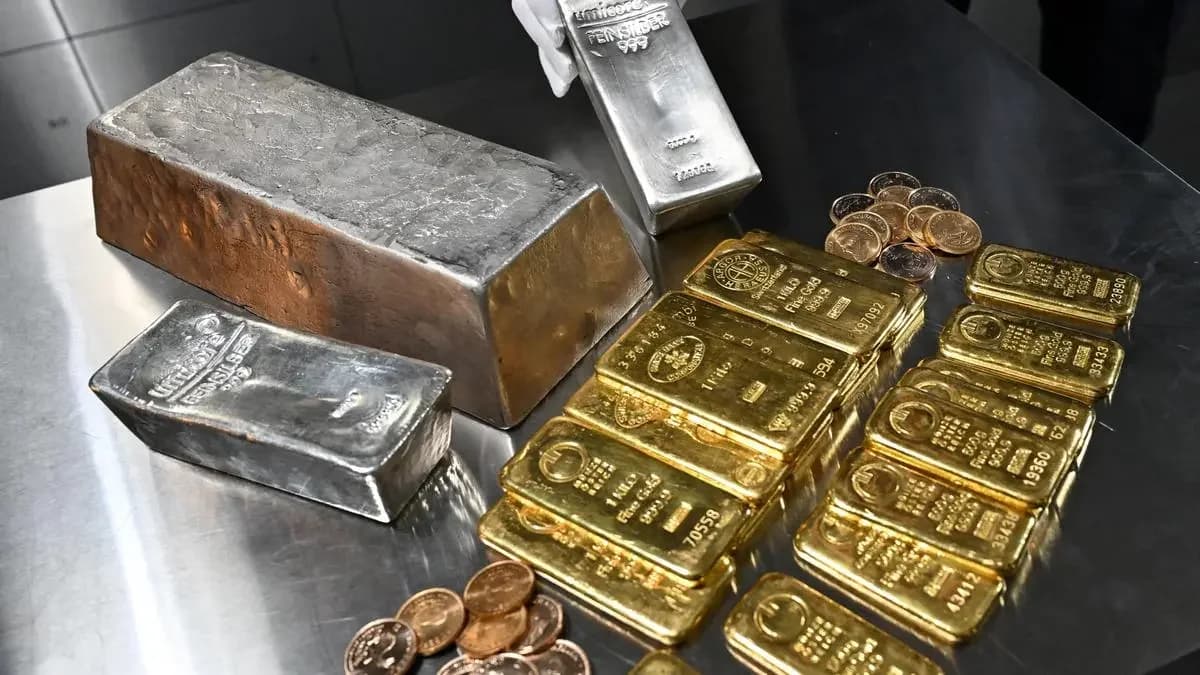
The primary driver of current market volatility is crude oil prices threatening to cross $120 per barrel, which represents a critical trigger point for precious metals. As reported by The Economic Times, higher oil prices directly fuel inflation, increasing input costs across global economies. This creates pressure on central banks to maintain tight monetary policy, which boosts bond yields and strengthens the US dollar. Oil prices jumped and global equity markets turned volatile as rising tensions in the Middle East kept shipping activity in and out of the Gulf to a bare minimum, as reported by LiveMint. The dollar index strengthened, making greenback-priced bullion more expensive for other currency holders, while benchmark 10-year U.S. Treasury yields rose 0.5%, reducing the appeal of non-yielding assets like precious metals. The combination of elevated oil prices, strong dollar, and persistently high interest rates creates a perfect storm for continued downside pressure on bullion markets.
The Federal Reserve's stance has shifted significantly, with less than a 20% probability of rate cuts by year-end, representing a major bearish factor for gold and silver. According to The Economic Times, this "higher for longer" stance is a major bearish factor as higher interest rates increase the opportunity cost of holding bullion. The Fed's hawkish approach makes yield-bearing assets more attractive, reducing demand for non-yielding precious metals. Market expectations for interest rates are changing, with traders now seeing a 29% chance of a 25-basis-point rate cut this year, a significant shift from earlier expectations of two rate cuts in the same period. U.S. gold futures for June delivery declined 1% to $4,829.40, reflecting the impact of higher interest rate expectations on precious metals.
Market strategists warn of potential for another 10% fall in gold and silver rates if current macro trends continue. On MCX, a break below ₹1,49,650 may accelerate selling pressure toward ₹1,44,930 and even ₹1,39,200, indicating that technical weakness is aligning with macroeconomic headwinds. As reported by The Economic Times, if crude sustains above $120, gold could slip below $4,400 while silver may drop under $67, which aligns with historical patterns where inflation-led rate hikes suppress bullion rallies. The analysis suggests this is not a panic-driven crash but a structured correction driven by global liquidity conditions and policy expectations. Spot gold was down 0.4% at $4,809.71 per ounce, as of 0155 GMT, after hitting its lowest level since April 13 earlier in the session, according to LiveMint.
Recovery scenarios for gold and silver depend heavily on crude oil price movements and monetary policy shifts. According to The Economic Times, gold could rebound above $5,000 while silver may climb past $80 if oil prices cool down below $90 per barrel. This scenario would reduce inflation pressures and allow central banks to adopt a more accommodative stance. Lower interest rates would weaken the dollar and revive demand for gold as a safe-haven and inflation hedge. However, as long as geopolitical tensions persist and supply disruptions remain a risk, oil prices may stay elevated, keeping downside risks intact for precious metals in the near term. Tehran also signalled it would not participate in a second round of negotiations that the U.S. had planned before the ceasefire expires on Tuesday, adding further uncertainty to global markets, as reported by LiveMint. Analysts expect gold and silver to remain volatile, with the overall bias remaining cautiously positive but sensitive to new developments in geopolitics and monetary policy.