Gold prices experienced a significant 3% decline in spot trading, falling to $4,510 per ounce amid continued market volatility. According to Reuters, this represents a further decline from earlier levels when gold fell as much as 1% to trade below $4,650 an ounce on Thursday. The precious metal has traded in a tight range since falling sharply in the early days of the Iran war as markets assess inflation risks that could keep rates higher and growth concerns that could prompt monetary easing. Lower rates benefit bullion, which doesn't carry interest, creating a direct correlation between monetary policy expectations and gold's performance.
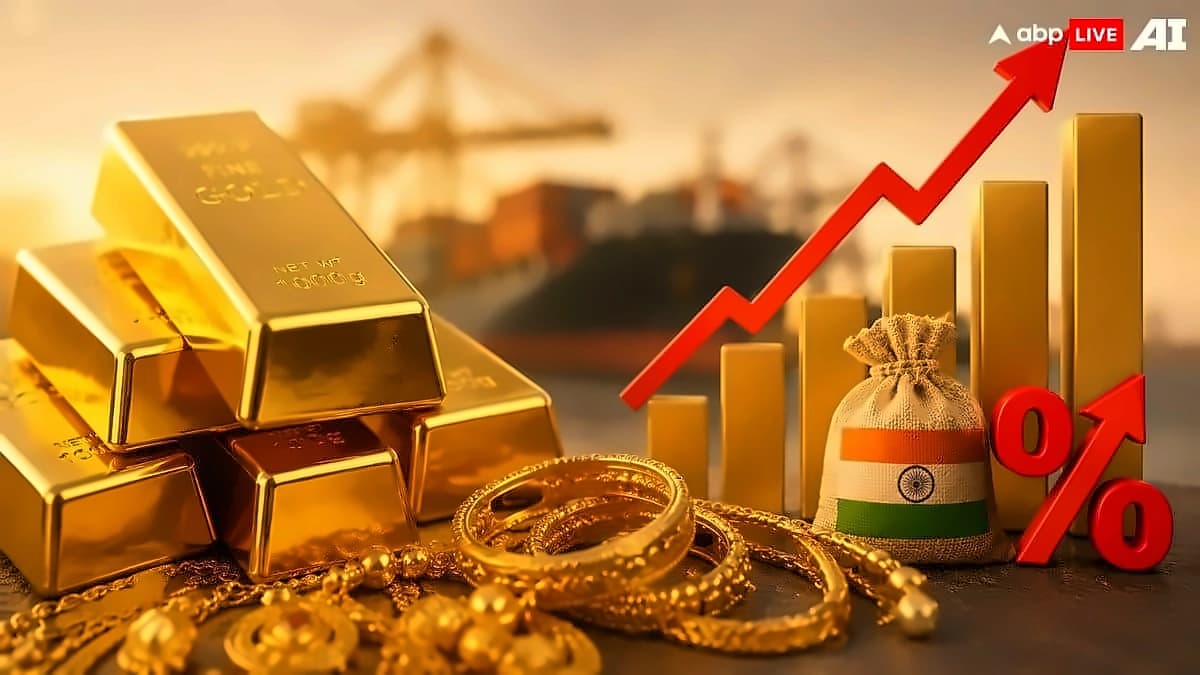
Gold demonstrates a strong inverse correlation with stock market performance, creating a natural hedge for investors during market volatility. According to market analysis, when the stock market is performing well and investors are not worried about global conditions, gold becomes less popular. However, when people start to get scared and the stock market declines, they seek refuge in gold. This inverse relationship provides investors with a stable asset that performs counter to traditional market movements during periods of economic uncertainty.
Gold serves as an effective protection against currency devaluation, particularly during periods when countries print excessive money supply. As reported by ABP News Network, gold helps protect against currency devaluation and preserves purchasing power over extended periods. The analysis notes that historically, gold has maintained its value while currencies have fluctuated significantly, making it a reliable store of value during inflationary periods and economic instability.
India has further tightened rules for importing gold into the country as Prime Minister Narendra Modi steps up efforts to defend the rupee amid the Middle East war. According to Bloomberg, the changes only apply to gold imported under the tax-exempt status, which allows jewelers and manufacturers to import metal duty free, so long as it is intended to be re-exported. That's a relatively small chunk of India's overall demand, as the world's second-largest consumer of bullion. The market is trying to decipher the likelihood of a potential end to hostilities in the Middle East and the Strait of Hormuz reopening fully, said Nicholas Frappell, global head of institutional markets at ABC Refinery.
The precious metals market showed mixed performance with silver experiencing significant volatility. As reported by Bloomberg, silver rose 13% in May, driven by speculators operating in a low liquidity environment rather than fundamentals. Nicky Shiels, head of research and metals strategy at trader MKS PAMP SA, noted that copper's recent rally and supply concerns have helped to propel the silver surge. Spot gold fell 0.8% to $4,650.82 an ounce as of 4:49 p.m. in New York, while silver declined 4.6% to $83.48 an ounce. The Bloomberg Dollar Spot Index was up 0.3% during the trading session.