The gold-silver ratio rose to 68 on Tuesday, indicating gold's relative strength over silver amid volatile market conditions. According to reports from LiveMint, the ratio measures the number of ounces of silver needed to buy one ounce of gold, with a rising ratio generally meaning gold is outperforming silver. This level represents a significant shift in precious metals valuation, as investors track the indicator to assess relative performance and identify portfolio rebalancing opportunities. The ratio shows how many ounces of silver are required to purchase one ounce of gold, with a rising ratio suggesting gold is outperforming silver while a declining ratio indicates silver is gaining relative strength.
Gold prices are expected to soar to $5,013 per ounce over the next 12 months, up from the current level of $4,170, according to delegates at the London Bullion Market Association's (LBMA) annual gathering in Sorrento, Italy. As reported by The Economic Times, this forecast represents a substantial increase from the current trading levels. Gold is down 3% so far this year due to expectations of interest rates staying higher for longer amid the Iran war, though it had previously jumped 64% in 2025, which was its biggest yearly rise since 1979, and hit a record high of $5,595 an ounce in January. The LBMA delegates also predicted that silver prices would jump to $97 per ounce in a year's time from around $61 on Tuesday, with silver having fallen 14% so far this year after rallying 147% in 2025.
Gold peaked at approximately $5,595 an ounce in January 2026 and was trading around $4,138 an ounce in October, representing a correction of about 26% from its peak. As reported by LiveMint, the correction was attributed largely to higher US Treasury yields and a stronger US dollar rather than deterioration in gold's structural fundamentals. Central banks purchased 289 tonnes of gold in Q2 2026, with full-year purchases expected to reach 700-900 tonnes, well above the pre-2022 annual average of around 400-500 tonnes. According to Tata Mutual Fund, the correction offers a significantly better entry point than at the start of the year, while the medium-term outlook continues to be supported by central bank demand, fiscal risks and geopolitical uncertainty. The correction does not necessarily signal that gold's long-term investment case has weakened, as central-bank buying, fiscal concerns, geopolitical uncertainty and reserve diversification continue to provide support.
2026 is on track to become the sixth consecutive year of silver deficits, with demand continuing to exceed available supply, according to LiveMint reports. Industrial demand accounts for the majority of silver consumption and has risen steadily in recent years. China holds about 11% of global silver reserves and controls 60-70% of refining capacity, with efforts to tighten control over silver supply chains potentially creating further market constraints. This supply-demand imbalance provides silver with a compelling long-term structural story despite greater price volatility.
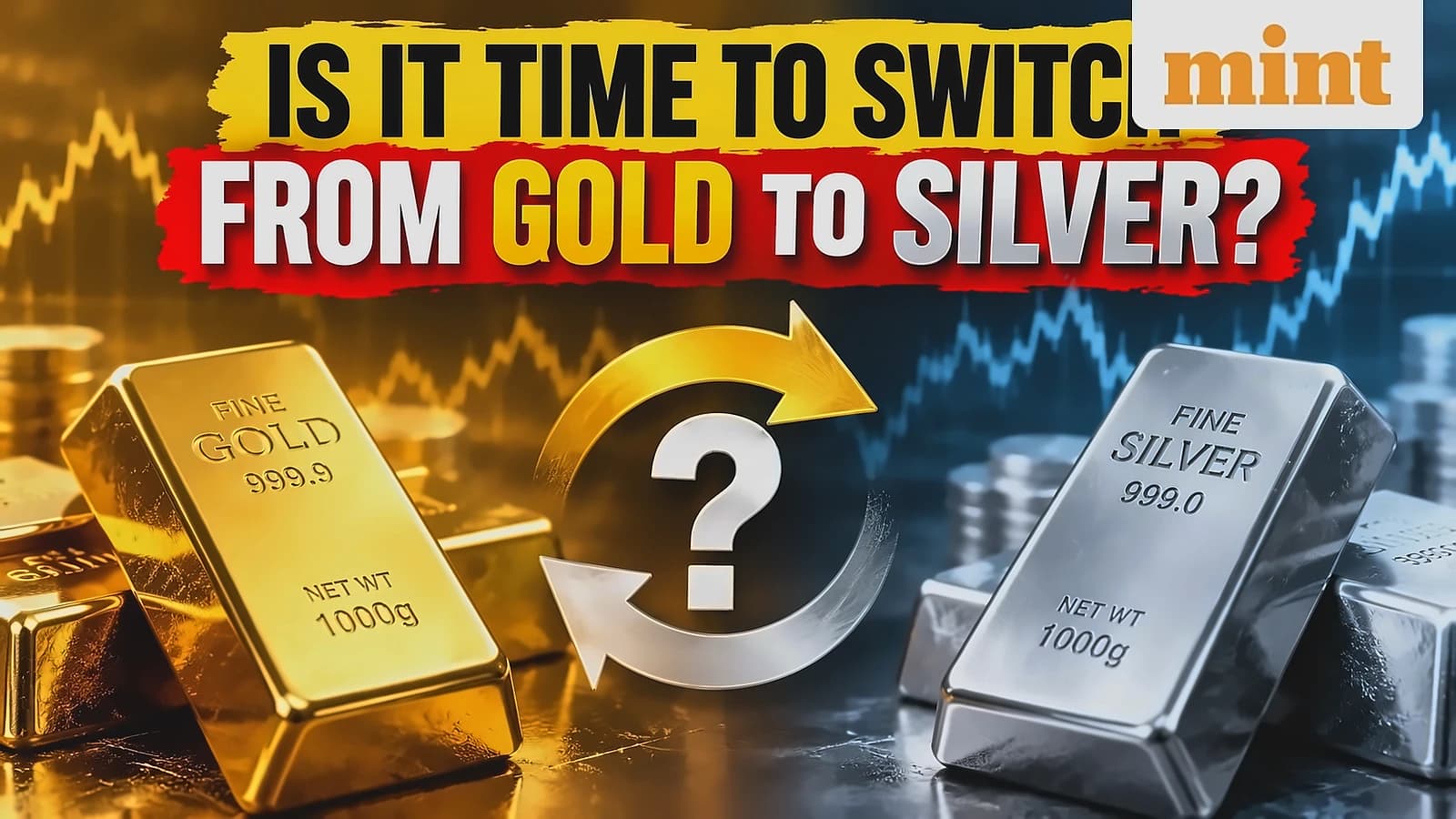
According to LiveMint analysis, the key recommendation is not to completely switch from gold to silver but to maintain exposure to both metals with staggered purchases. Kaveri More from Choice Broking suggests investors should avoid trying to identify the exact bottom and instead consider staggered buying over 3-4 tranches at current levels. The expert points out that gold's correction of more than 26% from its January peak (above $5,600/oz) has made valuations relatively more attractive, with prices now around $4,136/oz. Tata Mutual Fund notes that both metals can experience sharp corrections after rapid rallies, warning investors to exercise caution as rapid price appreciation can be followed by sharp consolidations. The message for investors is relatively clear: don't treat gold and silver as an either-or bet, as gold's structural demand story remains intact after its correction, while silver has a compelling long-term supply-demand backdrop. A staggered allocation across both may offer a more balanced approach than switching completely from gold to silver.