Gold demand remained muted in the first half of March, impacted by seasonal and financial year-end factors as well as price volatility, according to a report released by the World Gold Council. Market feedback suggests that purchases were deferred during the price spike, with demand improving only as prices eased around regional festivals. As per The Economic Times, the World Gold Council noted that while prices eased during festivals, overall demand was subdued. Retailers focused on marketing campaigns and promotional offers to drive sales, with exchange of old gold jewellery remaining a key contributor, reportedly accounting for 40-50% of sales. Investment demand for bars and coins continued to be robust, while regional festivals also supported sales.
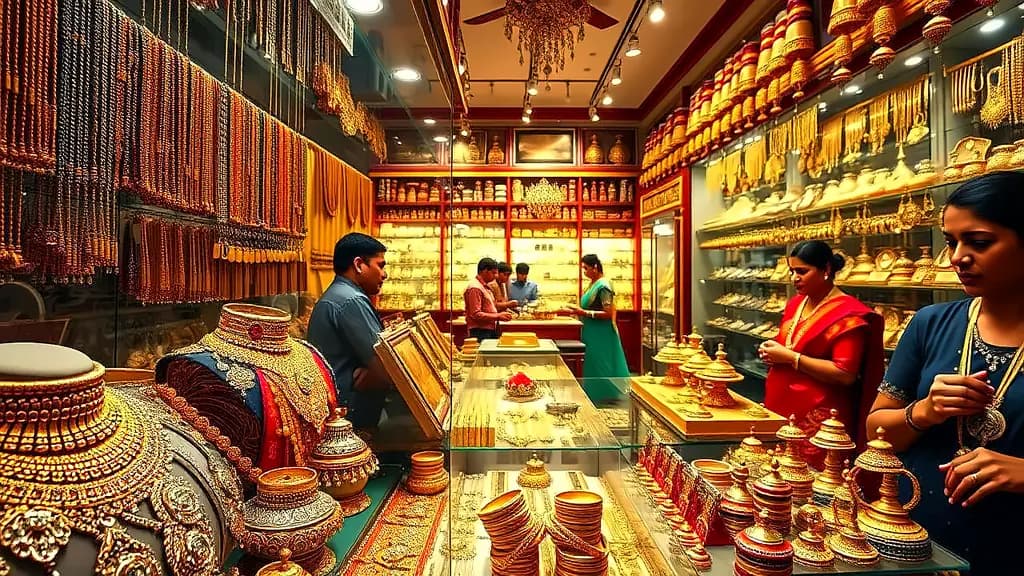
India's gold and silver markets are experiencing unprecedented demand this Akshaya Tritiya, with overall trade expected to cross ₹20,000 crore, according to the Confederation of All India Traders (CAIT). This represents a significant increase from last year's ₹16,000 crore, signaling continued growth in value despite sharp price escalations. According to CAIT, the steep price increases have not weakened demand but are instead prompting consumers to make more deliberate and value-oriented purchases. As per Mathrubhumi, the higher prices have not dampened demand but triggered a shift towards value-driven buying, with consumers opting for smaller quantities and more affordable options.
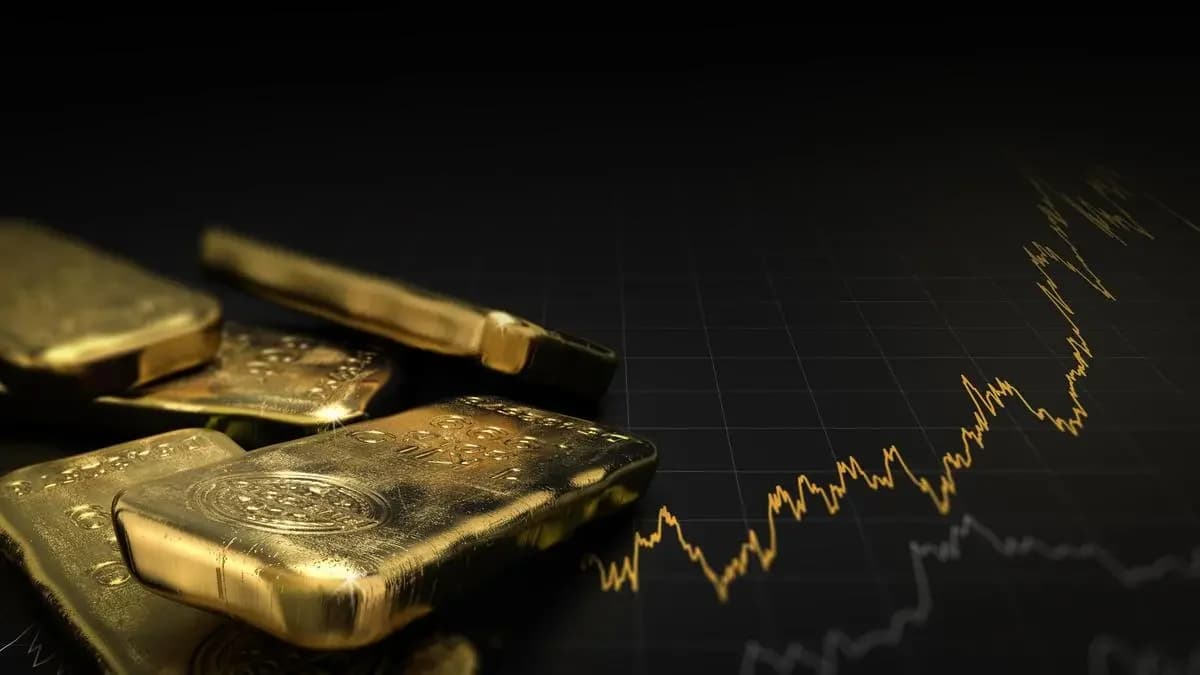
Gold prices have experienced dramatic increases, rising from ₹95,000 per 10 grams to ₹1.56 lakh per 10 grams over the past year, marking an increase of nearly 60 percent. As reported by CAIT, this sharp escalation has not weakened demand but is reshaping consumer behavior. Praveen Khandelwal, CAIT secretary general, noted that while gold continues to dominate, the nature of purchasing is evolving significantly in response to steep price escalation. The market is witnessing a clear shift towards lightweight, wearable jewelry alongside stronger focus on silver and diamond products. B C Bhartia from CAIT confirmed that jewellers are adapting by promoting lightweight and wearable jewellery, along with increased focus on silver and diamond products, while offering incentives such as lower making charges and complimentary gold coins to attract buyers.
India is set to launch its first large-scale private gold mine, the Jonnagiri project in Andhra Pradesh, aiming to boost domestic production and reduce reliance on imports. Developed by Geomysore Services India Pvt Ltd, the project spans nearly 598 hectares across Jonnagiri, Erragudi and Pagidirayi villages and has drawn investments of over ₹400 crore. The mine is expected to produce up to 1,000 kg of gold annually at peak capacity over the next 15 years, with certified gold resources of 13.1 tonnes and exploration indicating potential increase to 42.5 tonnes. Andhra Pradesh chief minister Chandrababu Naidu is expected to dedicate the mine to the nation, marking a crucial step as India currently imports over 800 tonnes of gold each year, placing pressure on foreign exchange reserves.
Despite significant redemptions, Indian gold ETFs extended their inflow streak to the 11th consecutive month in March 2026, recording net inflows of ₹22.7 billion as per data from the Association of Mutual Funds of India (AMFI). However, this marked the lowest monthly net inflow in seven months, with record redemptions of ₹31.6 billion likely reflecting continued profit-taking. Cumulative gold holdings rose to 115 tonnes as of end March, indicating underlying resilient demand. Following the relative weakness in March, April has seen a recovery with net inflows of ₹17.36 billion during 1-10 April, contributing an additional 1.2 tonnes to collective holdings. Q1 2026 recorded the strongest quarterly inflows with ₹316 billion in net inflows, resulting in an addition of approximately 20 tonnes to total holdings.
Despite the increased overall trade value, the actual quantity of metals being sold reveals a different story. As reported by the All India Jewellers and Goldsmith Federation (AIJGF), the projected ₹16,000 crore gold trade amounts to nearly 10,000 kilograms at current rates, translating to average sales of only 25 to 50 grams per jeweller. Similarly, silver trade of ₹4,000 crore corresponds to around 1,56,800 kilograms, resulting in average sales of about 400 to 800 grams per jeweller. Pankaj Arora of AIJGF shared that ₹16,000 crore in gold sales would translate to roughly 10 tonnes nationwide, while the silver trade worth ₹4,000 crore is projected at around 157 tonnes. CAIT's Khandelwal highlighted that while business value is expanding due to rising prices, actual consumption is contracting, indicating a critical shift in market dynamics.