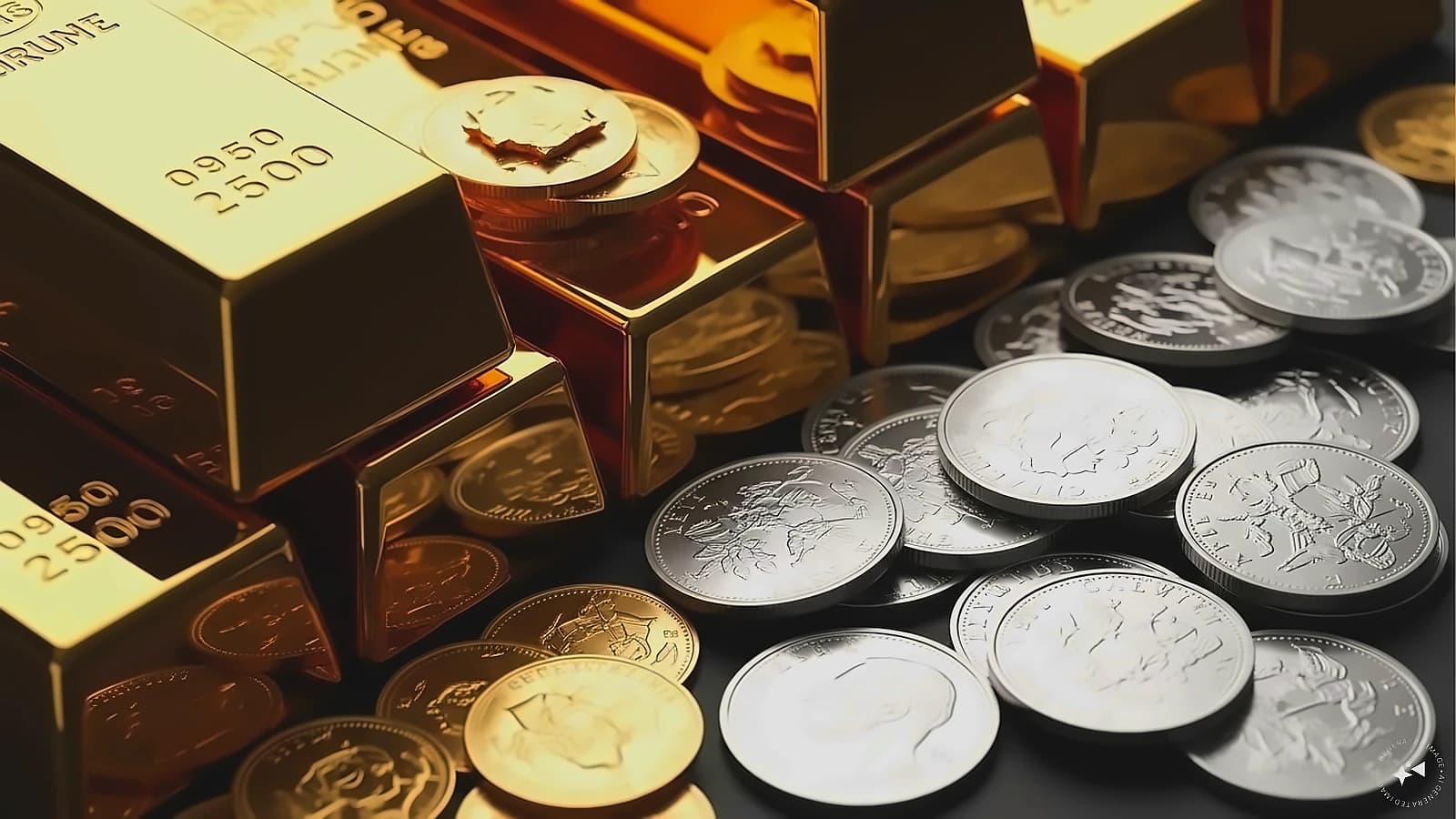
Gold and silver prices opened the week on a weaker note, pressured by a firm US dollar and rising crude oil prices amid escalating geopolitical tensions. According to latest reports from ET Now, spot gold was down 0.7% or USD 32.2, trading at USD 4,677.26 as of 5:10 am, while gold futures for June on the Multi-Commodity Exchange settled 0.1% higher at Rs 1,52,799. Silver mirrored the trend, with prices having already slipped by over 1.5% in the previous week. The decline follows a period of strong gains, as gold had rallied for four consecutive weeks before posting a 2.5% drop last week, suggesting the current move may partly reflect profit-booking and market consolidation rather than a structural shift. In domestic markets, gold futures declined Rs 1,910, or 1.23%, to close the week at Rs 1.54 lakh per 10 grams, while silver fell Rs 12,506, or 4.9%, to settle at Rs 2.44 lakh per kilogram. Latest reports indicate gold opened the week below $4,700 after a volatile two-month period marked by a sharp selloff, with the primary driver being continued strength in the US dollar.
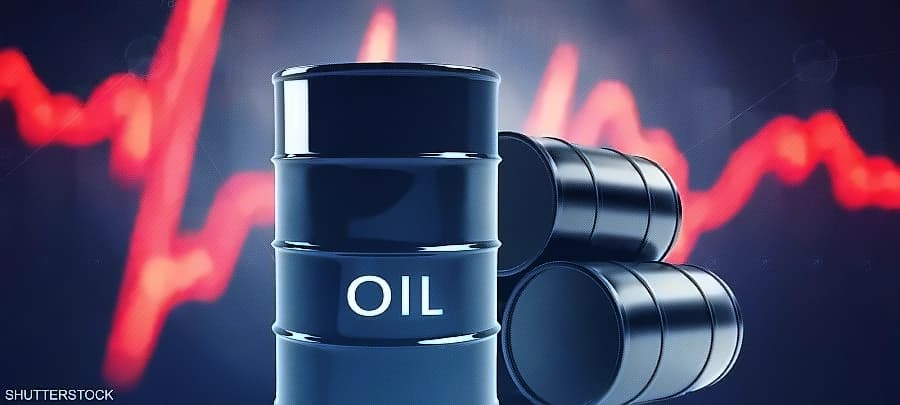
Rising geopolitical uncertainty has significantly impacted precious metals markets, with US President Donald Trump cancelling envoys Steve Witkoff and Jared Kushner's trip to Pakistan for talks related to the Iran conflict, pushing oil prices higher. As per ET Now, both Brent and WTI crude rose nearly 2%, with oil prices now trading above USD 100 per barrel. The US dollar index was trading 0.1% higher at 98.63, making gold more expensive for foreign buyers and reducing its appeal in international markets. A stronger dollar makes gold and silver more expensive for holders of other currencies, typically reducing demand, while rising oil prices have revived inflation worries, which in turn reinforce expectations that central banks — particularly the US Federal Reserve — may keep interest rates higher for longer. Geopolitical uncertainty from stalled US-Iran peace efforts and continued disruptions to Middle East energy flows have added to market volatility, with Iran moving to restrict access to the Strait of Hormuz over the weekend, raising concerns about supply disruptions and broader instability.
Despite recent stability in silver prices, Commerzbank has issued a cautionary assessment about the metal's valuation. According to Kitco News, Thu Lan Nguyen, Head of FX and Commodity Research at Commerzbank, considers the fair value of silver closer to $40 per ounce rather than the current trading range of $78-80. The bank's analysis reveals that silver appears expensive by its own standards, but the overarching precious metal demand, geopolitical uncertainty, and gold's role as a reserve and safe-haven asset have so far prevented a stronger normalization. Commerzbank expects silver to rise to $90 per ounce in a scenario where the Federal Reserve cuts interest rates in the second half of the year, which would push gold back above the $5,000 mark. The bank notes that silver had previously built up an undervaluation compared to gold, which has now partially diminished with the latest movement, explaining why the metal can remain high despite what Commerzbank considers an independent overvaluation.
Investors are closely watching the upcoming Federal Open Market Committee (FOMC) meeting scheduled to begin on April 28, with a decision expected by April 29. According to the CME FedWatch tool, there is a 100% probability that the Federal Reserve will keep interest rates unchanged. The ability to hold above $4,000 carries psychological importance, as reclaiming such a major round-number threshold often stabilizes sentiment, especially after a period of forced liquidation. Looking ahead, analysts expect gold to find support at lower levels but remain vulnerable if the dollar stays strong and geopolitical tensions ease, as noted by Times of India. Silver may see higher volatility due to its dual nature as both an industrial and precious metal, with any escalation in the Middle East, particularly around the Strait of Hormuz, or dovish signals from major central banks potentially reviving demand for bullion. The interplay between geopolitical risks and inflation concerns continues to shape gold's market trajectory, with market participants also keeping a close eye on inflation data from the world's largest economy, expected later this week.
Despite short-term volatility, longer-term demand for gold remains solid as central banks continue accumulating reserves. According to FX Leaders, central banks continue to accumulate reserves as part of diversification strategies, with institutions such as the People's Bank of China maintaining steady purchases, providing a structural floor for gold prices. At the same time, holdings of the SPDR Gold Trust, the world's largest gold-backed ETF, edged lower by 0.2%, pointing to some moderation in institutional flows. This mixed demand signal suggests that while institutional investors are taking profits, physical buyers continue to show interest in gold. In domestic markets, the downside in gold was partly cushioned by a weaker rupee, which fell around 1.4% during the week, as reported by Times of India. Interestingly, gold's traditional safe-haven role has shown signs of weakening in recent conflicts, with investors increasingly favoring the dollar during periods of stress, creating an additional challenge for precious metals. Commerzbank notes that gold remains in demand as a safe haven, particularly robust central bank demand supports the metal because gold is considered a neutral and politically independent monetary asset.