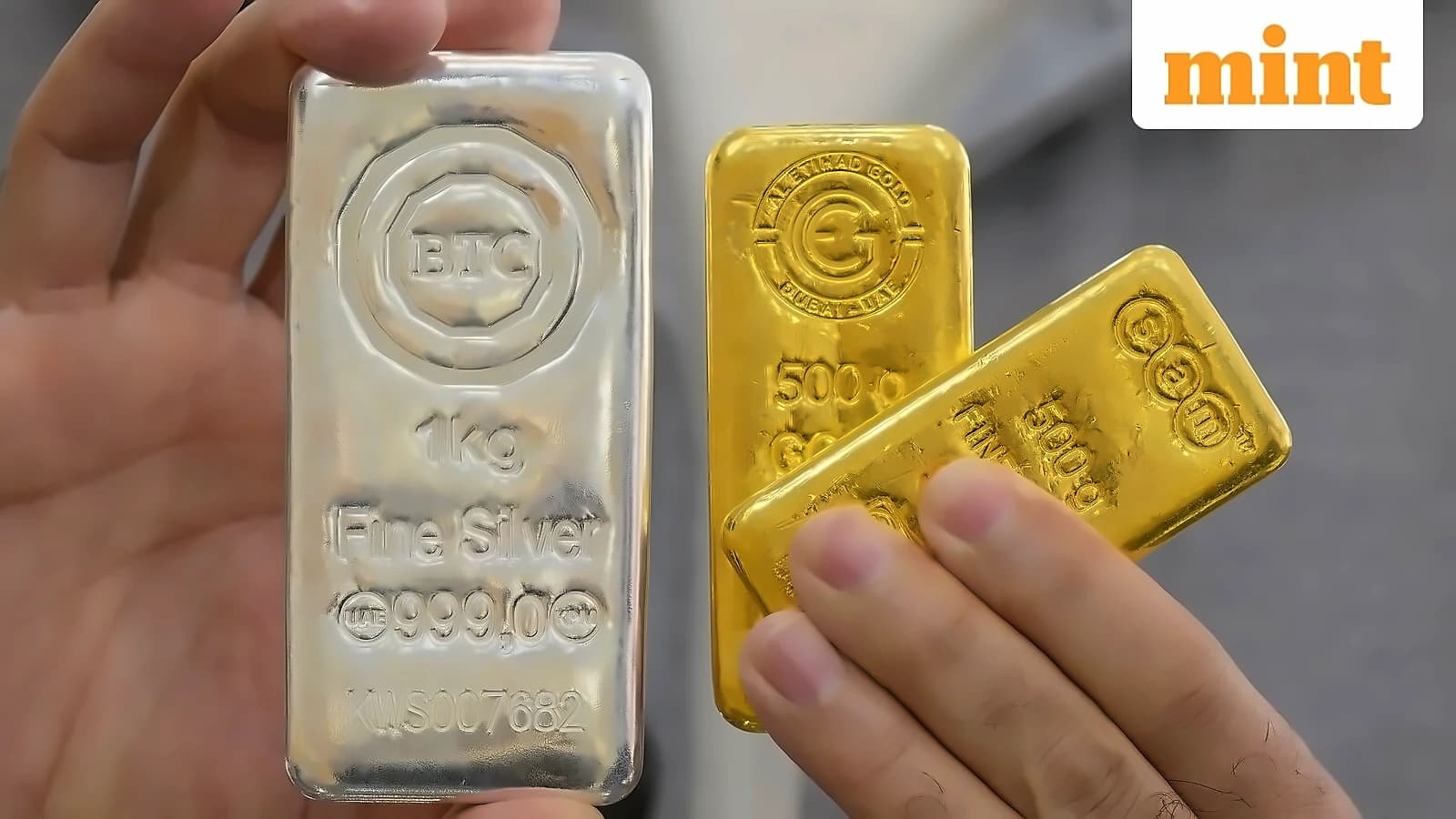
Gold and silver prices experienced significant declines on Monday, with MCX gold futures falling ₹1,310 or 0.85% to hit ₹1,53,299 per 10 grams in a business turnover of 1,119 lots. Silver prices plunged over ₹14,600 per kilogram as weak global trends weighed on precious metals. This marks a continuation of the precious metals' decline, with gold having fallen roughly 9% and silver losing around 14% since the beginning of the US-Iran war in late February. The latest decline comes despite earlier gains, as MCX gold had risen for four straight days before Monday's sharp reversal. Globally, gold futures declined by 0.87% to $4,788.31 per ounce in New York, according to The Hindu.
The price decline was triggered by developments in the Strait of Hormuz over the weekend, where ships were attacked and the United States Navy fired on and seized an Iranian-flagged cargo vessel. As reported by Bloomberg, Tehran warned that ships approaching the Strait of Hormuz would be considered in breach of the ceasefire, with several vessels compelled to turn back just hours after Iran had declared the waterway open. These developments have revived concerns about disruptions to energy supplies and added to inflation worries amid over seven weeks of conflict in the Middle East. Brent crude prices surged over 6% today, crossing the $95 per barrel level, following reports that Iran has once again shut the Strait of Hormuz. Iranian forces launched drone attacks on some US military vessels after the US seized an Iranian-flagged cargo ship attempting to bypass a naval blockade near the Strait of Hormuz. Tehran announced it will not take part in a second round of talks that the United States had planned to begin before the ceasefire ends on Tuesday.
Spot gold was down 0.7% at $4,793.98 per ounce as of 0351 GMT, after hitting its lowest level since April 13 earlier in the session, according to The Hindu. U.S. gold futures for June delivery fell 1.4% to $4,813.60. The precious metals decline comes despite crude oil prices jumping to $105 per barrel during early market hours on April 2, amid Trump's threat of further escalation where the US plans to hit Iran 'extremely hard' over the next two to three weeks. Brent crude oil prices jumped to $105 per barrel during the early market hours, with the contract for June delivery rallying as much as 8.48% to an intraday high of $109.74 per barrel. However, crude oil prices remain range-bound, trading around $95 per barrel amid talks of a potential second round of negotiations between the United States and Iran. A rise in crude oil prices typically boosts demand for the US dollar, since oil is predominantly traded in dollar terms, which strengthens the currency and puts downward pressure on gold prices.
Despite the global decline, gold prices across major Indian cities remained relatively stable on Monday, April 20. According to Live Mint, 24-karat gold rates ranged from ₹152,700 to ₹153,490 per 10 grams across different cities, with 22-karat gold rates between ₹139,975 and ₹140,699 per 10 grams. Silver 999 fine rates were priced between ₹252,620 and ₹253,830 per kilogram across the major metropolitan areas. All retail buyers should note that jewellers often include making charges, taxes, and GST, which can raise the final cost of gold.
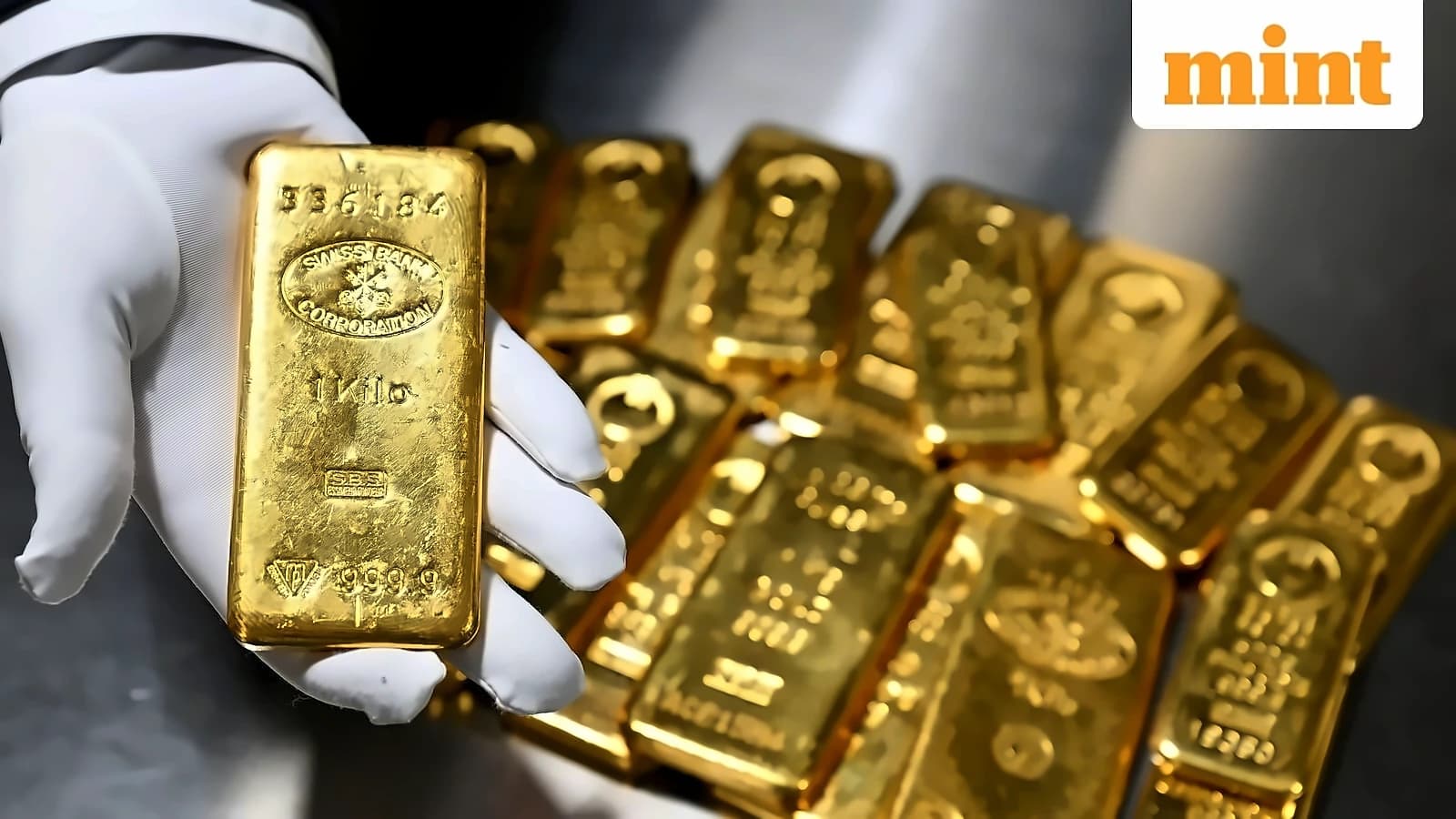
Despite the recent weakness, analysts believe the current environment presents opportunities for long-term gold investors. Anuj Gupta, a SEBI-registered research analyst, believes this is the right time to start investing in gold from a long-term perspective, citing expectations of easing tensions between the United States and Iran and consistent gold purchases by China. Brokerage firm Axis Direct anticipates a potential upside of up to 15% in gold prices from the current base level, setting a target price range of ₹1,70,000 to ₹1,85,000 for 2026. The firm notes that following the extreme stress test of Q1 2026, the underlying pillars of demand including central bank accumulation, ETF inflows, and macro-economic hedging remain fully intact. Gold remains a fundamental portfolio necessity despite current volatility, with the prolonged Iran conflict causing severe disruption in energy supplies and fuelling inflationary pressures that increase the likelihood of central banks keeping interest rates unchanged or hiking them.