Gold prices nudged lower on Wednesday as rising Treasury yields and a firm dollar outweighed optimism over a potential U.S.-Iran peace agreement. According to Reuters, spot gold was down 0.3% at $4,467.59 per ounce as of 0233 GMT, while U.S. gold futures for June delivery lost 0.9% to $4,471.10. The precious metal's performance reflects investor sentiment shifting toward rising yields and a dollar which has a spring in its step courtesy of the hawkish shift in the rates outlook. In the domestic market, gold prices staged a recovery on Tuesday, climbing Rs 800 to reach Rs 1.63 lakh per 10 grams in the national capital, with gold of 99.9% purity increasing by Rs 800 to Rs 1,63,600 per 10 grams compared with Monday's closing price of Rs 1,62,800 per 10 grams.
The gold market received mixed signals from U.S. officials regarding Iran policy. As reported by Reuters, U.S. President Donald Trump warned Washington may still need to strike Tehran, while Vice President JD Vance said both sides were making progress and did not want a return to conflict. This diplomatic optimism helped ease some geopolitical risk premiums that had been supporting gold prices. U.S. President Donald Trump announced that a proposed military strike on Iran had been put on hold, signalling that a diplomatic solution with Tehran could still be possible, according to The Times of India. However, President Trump warned that the US could resume strikes on Iran within "two or three days" if Tehran failed to accept Washington's peace terms, as reported by investingLive. The mixed signals from Washington continue to create uncertainty in precious metals markets, with investors remaining skeptical that a resolution to the crisis was near.
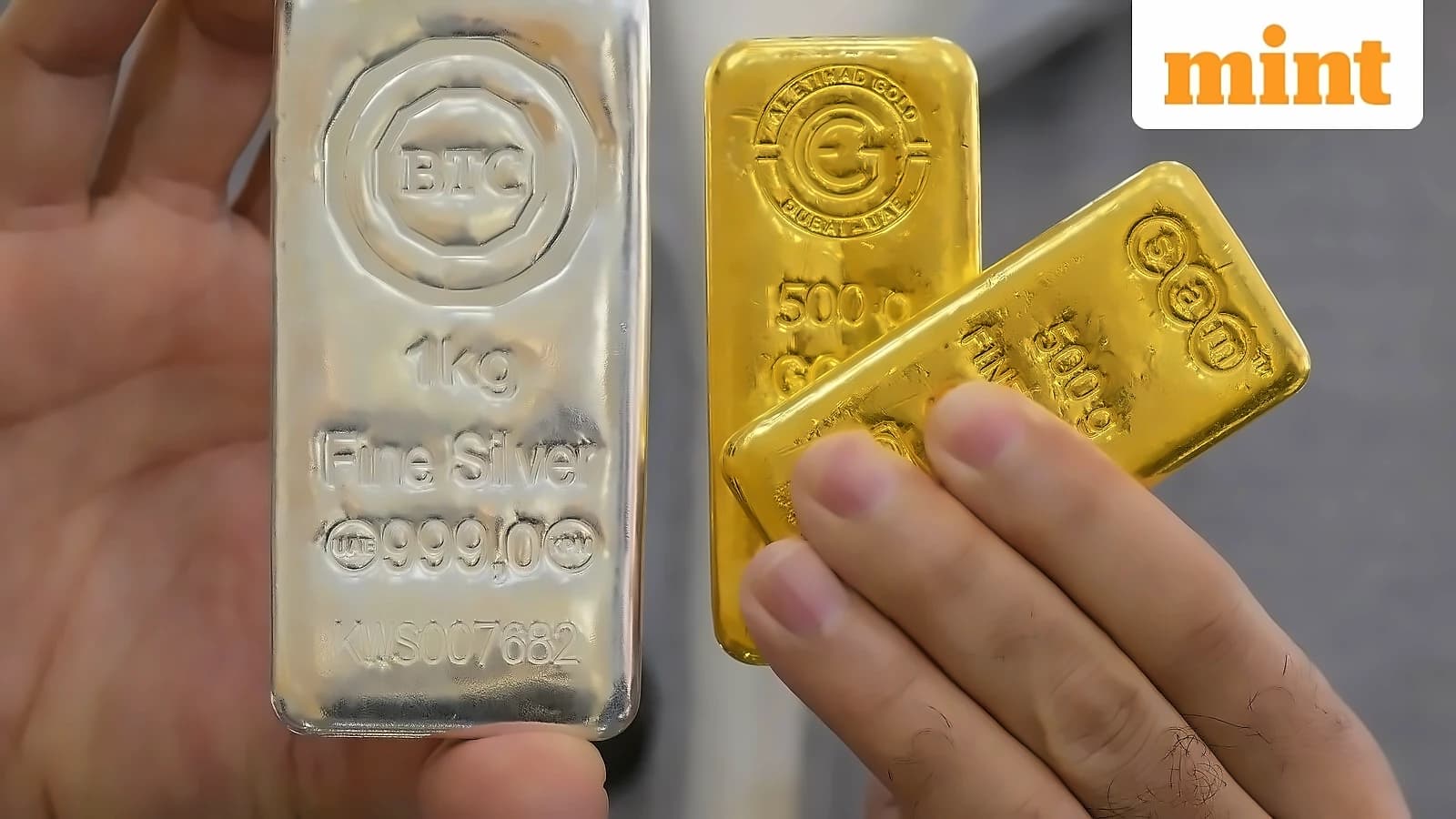
Silver has experienced significant volatility, decreasing 5% to $73.784 per ounce after plunging more than 5% in the previous session. According to investingLive, silver traded below $75 an ounce on Wednesday as escalating tensions between the US and Iran kept markets focused on inflation risks and the likelihood of higher interest rates. Silver has also surrendered gains recorded earlier this month that were fueled by optimism surrounding AI-related stocks and stronger demand for metals used in data-center infrastructure. In the domestic market, silver witnessed a sharp decline, falling by Rs 5,000 to Rs 2,71,000 per kilogram amid subdued industrial demand and weak cues from global markets. The broad-based pressure across precious metals reflects investor interest in safe-haven assets amid ongoing market uncertainty, though benchmark 10-year U.S. Treasury yields were steady at a more than one-year high, raising the opportunity cost of holding non-yielding gold.
Federal Reserve policy expectations continue to influence precious metals markets. According to Reuters, Philadelphia Federal Reserve Bank President Anna Paulson said the current level of interest rates is appropriate for the moment, putting downward pressure on inflation at a time when price pressures remain elevated. However, she noted it was 'healthy' that investors had begun considering scenarios where rates might need to rise. At the same time, she noted that it was reasonable for markets to begin factoring in the possibility that rates may need to rise further. The U.S. Federal Reserve will avoid cutting rates this year, according to most economists polled by Reuters who largely pushed long-held calls for reductions into next year on hopes the current inflation flare-up is temporary. Rising US inflation has also prompted traders to further scale back expectations for Federal Reserve rate cuts this year, while increasing speculation that the Fed could still deliver a rate hike before year-end. Investors are now awaiting the latest FOMC minutes and flash US PMI readings for additional signals on the outlook for monetary policy and economic conditions.
Investors are closely monitoring upcoming Federal Reserve developments for further policy insights. According to Reuters, the dollar hovered at a six-week high, making greenback-priced bullion more expensive for holders of other currencies. Precious metals have been under pressure since the outbreak of the Middle East conflict, as surging oil prices intensified inflation fears and strengthened expectations for further central bank interest rate hikes. Saumil Gandhi, Senior Analyst – Commodities at HDFC Securities, said gold prices in the domestic market have rebounded after hopes of renewed negotiations between the United States and Iran improved market sentiment and reduced fears of prolonged inflation caused by elevated energy prices. The focus on Fed communications comes as markets continue to assess the trajectory of interest rates and their impact on inflation dynamics in the current economic environment.