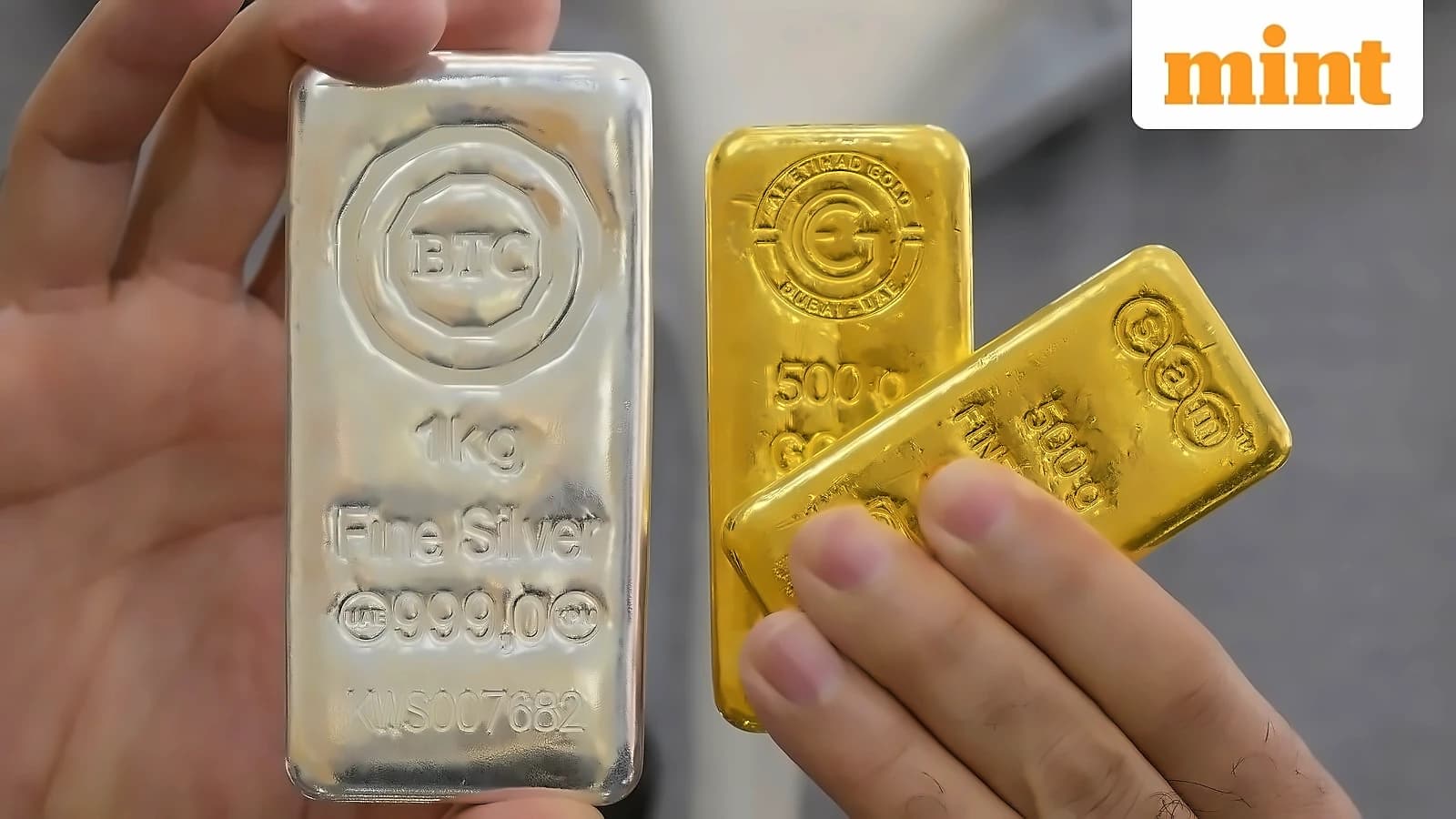
Spot gold rose 1% to $4,759.63 per ounce as of 0809 GMT on Wednesday, recovering from its lowest level since April 13 reached on Tuesday. According to The Hindu BusinessLine, US gold futures for June delivery gained 1.3% to $4,778.30, with the precious metal benefiting from lower oil prices following the US extension of a ceasefire with Iran. The price recovery came as markets responded positively to the geopolitical developments, with gold prices edging higher as softer oil prices and the extension of the US-Iran ceasefire reduced inflation fears while keeping safe-haven demand intact. MCX gold June futures rose ₹2,000+ (1.3%) to ₹1,53,699 per 10 grams, while MCX Silver May futures jumped ₹4,700+ (~2%) to ₹2,49,423 per kg, as reported by Angel One.

US President Donald Trump announced he would indefinitely extend the ceasefire with Iran to allow for further peace talks, as reported by The Hindu BusinessLine. The announcement appeared to be unilateral, and it was not immediately clear whether Iran or US ally Israel would agree to extend the ceasefire, which began two weeks ago. Marex analyst Edward Meir noted that with this ceasefire extension, markets perceive a de-escalation in the crisis, though he warned that if hostilities resume, the dollar would strengthen and oil and interest rates would rise, pressuring gold prices. The extension has helped ease fears of an inflation spike and higher-for-longer interest rates that had been weighing on precious metals.
The geopolitical developments have created a complex market environment where higher crude prices can stoke inflation by raising transportation and production costs, while gold is considered an inflation hedge. However, as reported by The Hindu BusinessLine, high interest rates make yield-bearing assets more attractive, weighing on bullion's appeal. Standard Chartered analysts noted that price action remains at the mercy of Middle East ceasefire headlines and liquidity needs, with recent price gains being fragile and at risk of short-term correction. The current market sentiment reflects investors balancing reduced inflation risks against ongoing geopolitical uncertainty, with gold usually rising when the dollar weakens as the US dollar index slipped slightly, supporting global gold prices.
Gold has been volatile recently due to the US-Iran conflict and rising crude oil prices, with domestic spot gold falling over 4% since the conflict began on February 28. Higher oil prices had earlier raised inflation concerns and reduced hopes of US rate cuts, which pressured gold. The recent rally came after the US extended the Iran ceasefire, helping reduce geopolitical tensions and pushing crude oil prices lower. Gold and silver gained as the weaker dollar, falling oil prices, and easing geopolitical tensions boosted investor demand for safe-haven assets, with the precious metals complex benefiting from the combination of lower oil prices and reduced geopolitical tensions.
Separately, Federal Reserve Chair nominee Kevin Warsh told US senators he would remain independent while setting interest rate policy, as reported by The Hindu BusinessLine. Warsh was trying to assure US senators mulling his confirmation to lead the central bank that he would act independently of the White House while pursuing broad reforms. This development adds another layer of complexity to the precious metals market dynamics, as interest rate policy remains a key factor influencing gold's appeal relative to yield-bearing assets. The independence commitment from Warsh has influenced market sentiment, with investors viewing it as supportive for gold prices as it reduces expectations of aggressive rate cuts that could pressure the precious metal.