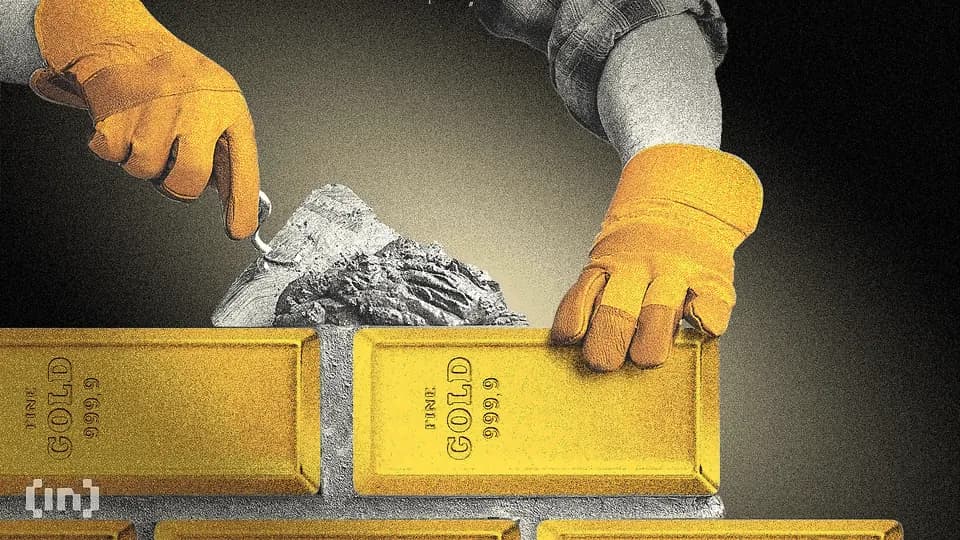
Gold prices have recovered 0.8% to $4,759.36 per ounce as President Trump's indefinite ceasefire extension with Iran continues to influence markets. According to latest Bloomberg reports, S&P 500 futures climbed 0.6% following the benchmark's first back-to-back loss this month, while Nasdaq 100 futures rose 0.7%. The recovery comes after gold experienced a dramatic 8% decline since the Middle East conflict began on February 28, with spot gold having fallen to nearly $4,778 per ounce earlier in the week. Brent crude rose 0.6% to $99.03 a barrel as talks earmarked for Islamabad failed to take place, leaving the Strait of Hormuz mostly shut. As Guillermo Hernandez Sampere, head of trading at MPPM, noted, "Investors are either standing on the sidelines or have accepted the emotional influence on the market, knowing that negotiations to end the conflict are ongoing."
Gold and silver prices experienced significant gains on Wednesday following US President Donald Trump's announcement of an indefinite extension of the ceasefire with Iran. According to reports from Mint, spot gold rose 1.1% to $4,762.22 per ounce, while US gold futures for June delivery gained 1.3% to $4,781. Spot silver prices surged 2.2% to $78.38 per ounce, reflecting the market's positive response to reduced geopolitical risks. In the domestic market, MCX gold rate rose by ₹1,900, or 1.25%, to ₹1,53,571 per 10 grams, while MCX silver prices climbed ₹5,801, or 2.37%, to ₹2,50,502 per kilogram. However, silver is now under pressure, trading at around $78 and down 1%, confirming the selloff is broad across precious metals.
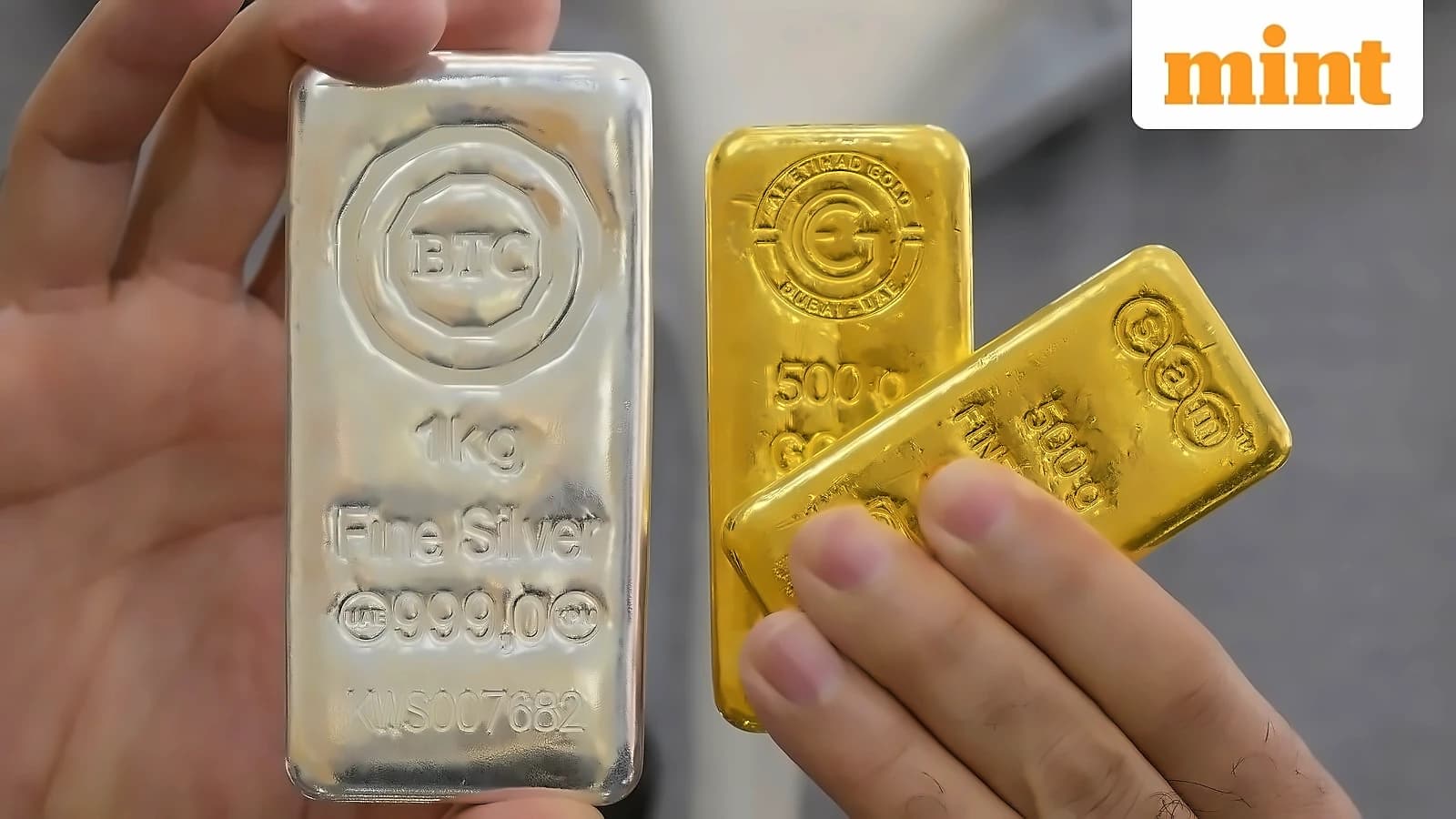
Kaveri More, Commodity Analyst at Choice Broking, expects silver to outperform gold, citing both technical indicators and macroeconomic factors. According to Mint reports, with the gold-silver ratio currently around 60:1, there is scope for further narrowing. More highlighted that recent market behavior reflects a shift in investor preference from gold to higher-beta silver assets, particularly amid a weakening dollar and declining oil prices. However, Jigar Trivedi, Senior Research Analyst at IndusInd Securities, emphasized that gold remains the more reliable option for investors seeking stability, describing the current environment as a 'mixed setup' where gold represents a defensive hedge, while silver is a higher-risk, higher-reward play.
Morgan Stanley recently cut its second-half 2026 gold target to $5,200 per ounce, identifying Fed rate cuts as the key catalyst for recovery. The bank's economists forecast two 25 basis point cuts in September and December 2026, which they expect to revive ETF buying as real yields decline. The broader market reflects this risk-on shift, with the SPDR S&P 500 ETF Trust (SPY) up about 3% over the past week and more than 9% over the past month. The VIX has fallen from a recent peak of around 31 to roughly 17.5, signaling that institutional hedging demand has cooled sharply. Gold's direction this week hinges on whether U.S.-Iran talks produce a credible framework, with a confirmed second round likely extending the selloff toward the $4,750 support level.